So, here's the update on that whole Iran situation. Israeli Prime Minister Benjamin Netanyahu says the joint U.S.-Israel mission there has crossed a major milestone. In an interview with Newsmax CEO Chris Ruddy on Monday, Netanyahu reported "considerable progress" in taking apart Iran's military, nuclear, and industrial infrastructure. "We're beyond the halfway point in terms of mission success," he stated. Think of it like a project status update, but with missile systems and weapons factories.
According to Netanyahu, U.S. and Israeli forces have already gone after key parts of Iran's war-making capacity. We're talking missile systems, weapons factories, and personnel linked to its nuclear program. The goal here isn't just to weaken Iran today; it's to stop a potentially much worse situation tomorrow. Netanyahu also highlighted that President Donald Trump is pushing for Iran's enriched uranium stockpile to be packed up and shipped out of the country, potentially to international authorities, which would basically put its weapons-building plans on ice.
Netanyahu didn't give an exact end date for the mission, but he was pretty confident about who's winning. "Iran is coming out weaker; we're coming out stronger," he said. It's the kind of line you'd expect in a press conference, but it sums up the current mood.
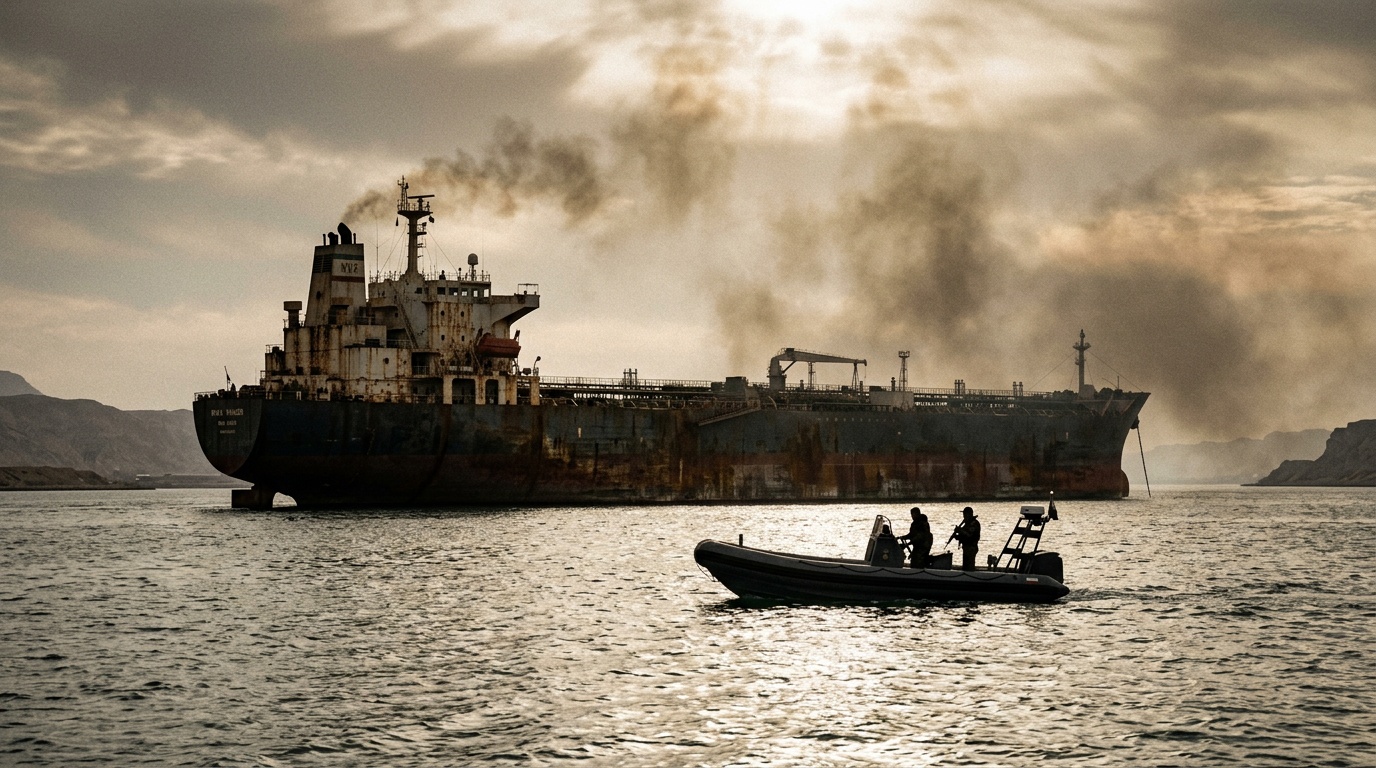
Looking further ahead, the Israeli Prime Minister floated an idea for long-term energy security. He suggested building westward pipelines across Saudi Arabia to the Red Sea and Mediterranean. The logic is simple: if you can move oil and gas through more stable routes, you rely less on chokepoints like the Strait of Hormuz. And if you rely less on the Strait of Hormuz, Iran has less power to disrupt global supply. It's a big-picture, infrastructure-heavy solution to a geopolitical problem.