Here's the latest from the ongoing conflict as it enters its 33rd day, a mix of military posturing, contained crises, and the slow, grinding work of diplomacy.
On Monday, President Donald Trump delivered a stark warning to Iran: reopen the Strait of Hormuz immediately, or the U.S. could destroy key Iranian infrastructure. He struck a dual tone, expressing optimism about talks with Iran's new regime to halt military operations but cautioning that failure to reach a deal soon would bring "severe consequences." It's the classic diplomatic carrot and stick, with the stick looking particularly heavy.
Meanwhile, Iran's foreign minister, Abbas Araghchi, had a message for Saudi Arabia: kick out the U.S. troops. Following an Iranian strike on a major American air base, he called on the kingdom to "eject" U.S. forces, while carefully noting respect for Saudi Arabia as a "brotherly nation." He framed Iran's actions as targeting "enemy aggressors," a clear reference to recent attacks on U.S. military assets. It's a delicate geopolitical dance—attacking a neighbor's guest while calling them family.
Rubio: Talking and Fighting, Simultaneously
Secretary of State Marco Rubio laid out the U.S. position in an interview with Al Jazeera. The U.S. is talking to Iran, but indirectly through intermediaries, all while continuing its military campaign. The goal? Getting Iran to halt its nuclear and missile programs. Rubio was clear on the Strait of Hormuz: it will stay open "one way or the other." He suggested U.S. objectives could be met in weeks and clarified that while the U.S. would welcome political change in Iran, it's not an official goal. The preferred path, he stressed, remains diplomacy. So, the message is: we're talking, but we're also perfectly willing to keep fighting until you give us what we want.
No Spill From Kuwaiti Tanker Scare
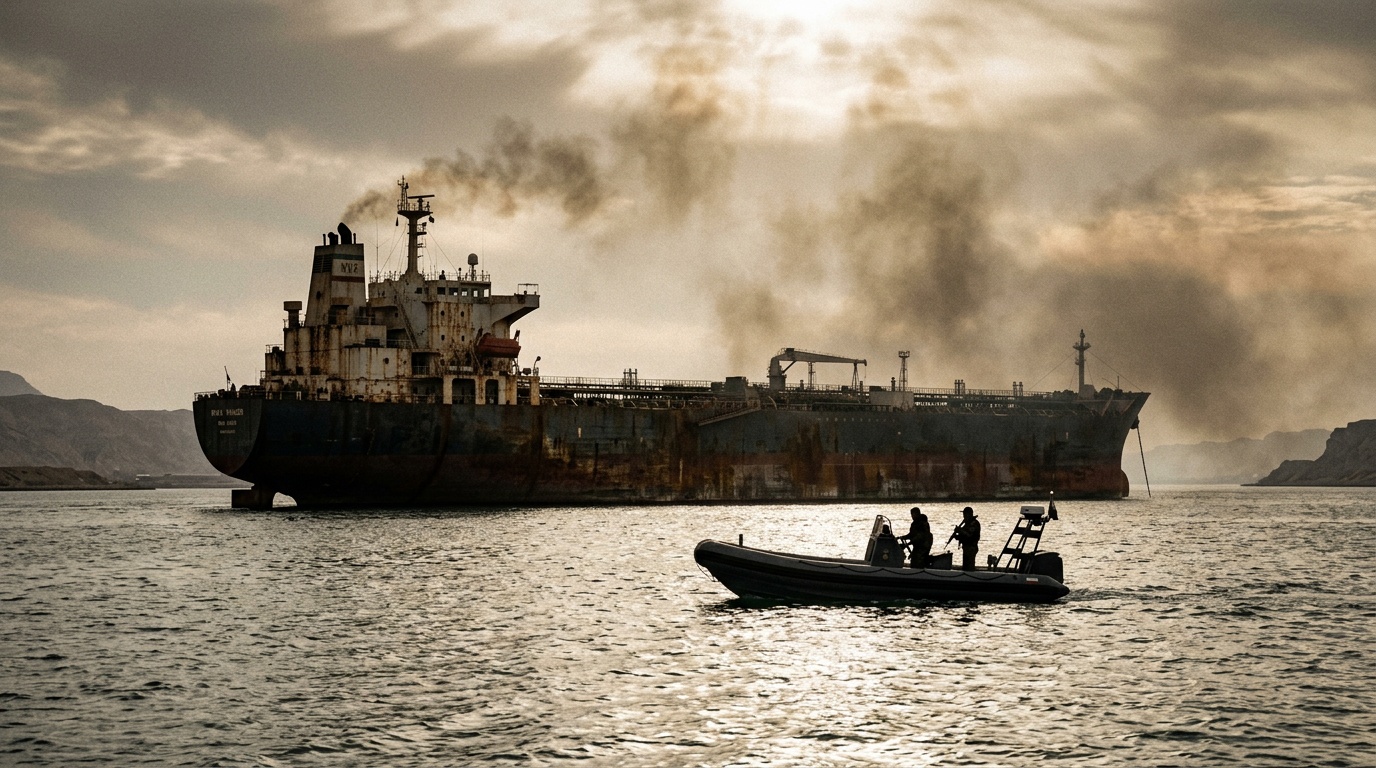
In a bit of good news, Dubai authorities reported that response teams have contained an incident involving a Kuwaiti oil tanker in its waters. The key details: no oil spill and no injuries. In a region where a major spill could be an environmental and economic disaster, this is a crisis averted.
Iran Arrests Two Over Alleged Data Leak
On the security front, Iranian forces arrested two individuals in the Osku area of East Azerbaijan. Their alleged crime? Sharing information about sensitive sites with U.S.-Israeli spy services. The reported payment method: cryptocurrency. They've been handed over to judicial authorities. It's a reminder that modern espionage often has a digital wallet attached.
Australia Condemns Attacks on UN Peacekeepers
Australian Foreign Minister Penny Wong called attacks on UN peacekeepers "unacceptable" and backed Indonesia's call for a full investigation. This comes after three Indonesian peacekeepers were killed in southern Lebanon amid Israeli military operations. It's a tragic sidebar to the larger conflict, highlighting the risks for neutral parties on the ground.
Pakistan's Ambassador: Peace Talks "Won't Be Easy"
Pakistan's Ambassador to the U.S., Rizwan Saeed Sheikh, provided a dose of diplomatic realism in an interview with Fox News. He confirmed that efforts to facilitate U.S.-Iran peace talks are ongoing but cautioned that "mindful" talks won't be "easy." The process is starting with initial confidence-building measures, like monitored ship movements, to lay the groundwork for more formal negotiations. In other words, don't expect a breakthrough tomorrow.
Japan and Indonesia Forge Energy Pact
With the conflict tightening global oil and gas supplies, countries are making new alliances. Japanese Prime Minister Sanae Takaichi said Japan will work closely with Indonesia on energy security. The statement followed a meeting with Indonesian President Prabowo Subianto, whose visit also saw $22.6 billion in business deals signed, including in the energy sector. When pipelines are at risk, partnerships become paramount.
South Korea Proposes a $17 Billion Cushion
Feeling the pinch from Middle East supply disruptions, South Korea has proposed a 26.2 trillion won (about $17.1 billion) supplementary budget. The goal is to cushion households and industries from rising energy prices. Officials stressed that urgent fiscal support is needed to protect livelihoods and sustain what they called a "fragile" economic recovery. It's a direct fiscal response to the war's ripple effects on the global economy.