Here's a sequence of events that has Senator Elizabeth Warren asking some pointed questions. First, Elon Musk says on social media that he'll 'look into' a bipartisan law designed to crack down on criminals and foreign adversaries using U.S. shell companies. The very next day, the Treasury Department announces it's rolling back key enforcement provisions of that same law. To Warren, that timing looks a little too convenient.
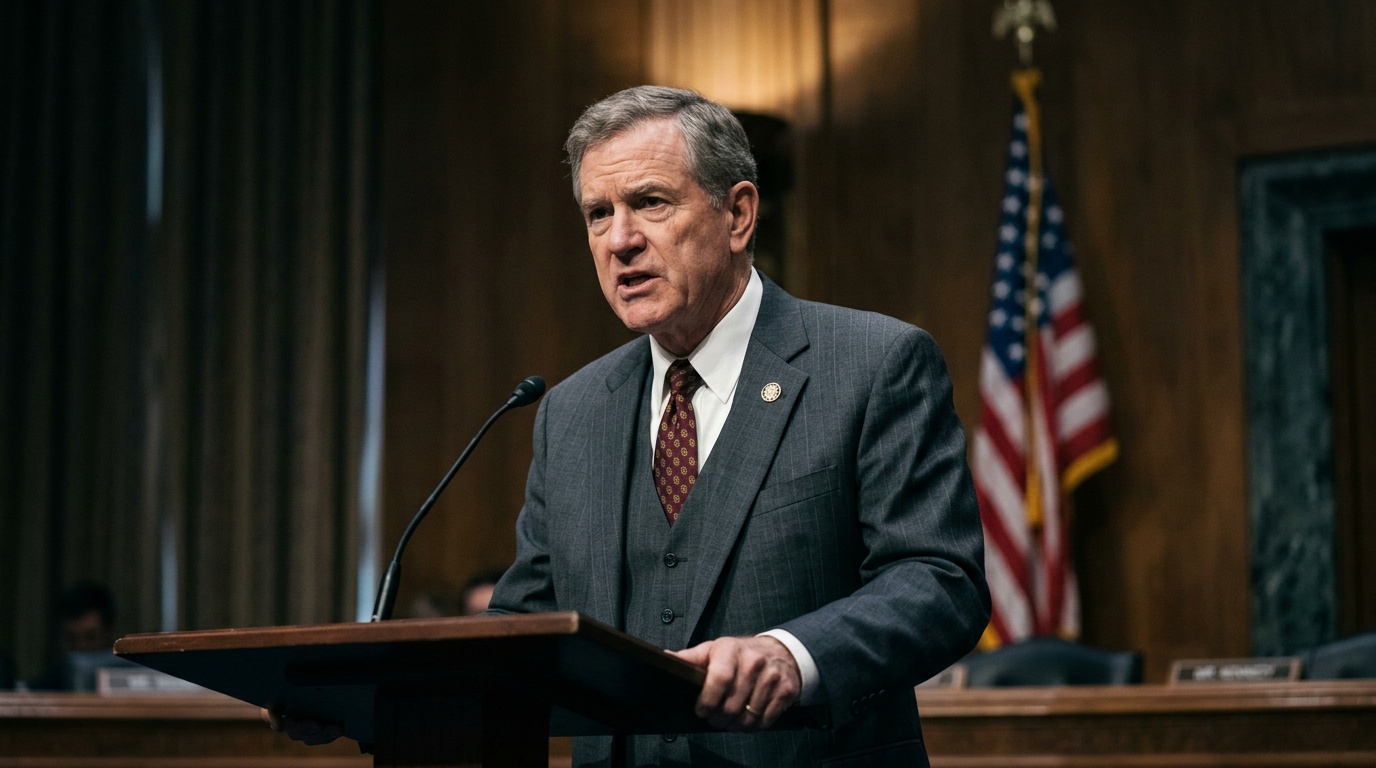
On Monday, Warren shared a post on X highlighting what she sees as a direct link. "Elon Musk said he'd look into a bipartisan law to counter criminal & adversary use of U.S. shell companies. The next day, Treasury gutted it," she wrote. She added that a new report suggests Musk himself has a network of companies that could have been subject to the law's disclosure requirements.
This isn't just a social media spat. Warren also shared an image referencing ongoing congressional scrutiny with the headline, "Democrats Examine Elon Musk's Role in Suspension of Business Disclosure Law." Lawmakers have formally requested information from the Treasury Department about whether Musk had any influence on the decision to halt enforcement of the Corporate Transparency Act. They want to know if a public statement from one of the world's richest men prompted a sudden change in policy.
For Warren, this is part of a broader pattern of scrutiny regarding Musk's business empire. Just last month, she took aim at Tesla, criticizing the electric vehicle giant for paying zero dollars in federal income taxes in 2025. She shared an image showing the company's tax bill as "$0.00" and cited a report from the Institute on Taxation and Economic Policy stating Tesla received over $1.1 billion in tax breaks. The nonprofit's analysis noted that Tesla paid $48 million on $12.58 billion in U.S. income over a three-year period, with some cash taxes paid in 2025 possibly tied to liabilities from prior years.
Warren's focus isn't limited to taxes. Along with Senator Andy Kim (D-N.J.), she urged the Defense Department to review SpaceX over national security concerns related to potential undisclosed Chinese investment. The senators cited reports suggesting investors with ties to China may have used offshore entities to secretly purchase SpaceX shares. They warned that any level of Chinese ownership could pose a threat to U.S. military, intelligence, and civilian infrastructure that relies on SpaceX's services.
So, what we have is a classic Washington drama: a powerful senator, a controversial billionaire, a sudden regulatory shift, and a bunch of unanswered questions about who said what to whom. The core issue—preventing bad actors from hiding behind anonymous shell companies—got a lot more complicated the moment Musk said he'd 'look into' it. Now Warren and others are looking into why.