Here's a bold piece of geopolitical advice, delivered via social media: Iran's foreign minister, Abbas Araghchi, told Saudi Arabia on Monday that it's "high time" to kick U.S. forces out of the kingdom. The suggestion came just three days after an Iranian missile strike hit a major American air base there, and Araghchi wasn't shy about using the attack as his main argument.
"Just look at what we did to their aerial command," he wrote on X, sharing an image that appears to show a heavily damaged U.S. Air Force E-3 Sentry spy plane with its tail broken off. The message was wrapped in diplomatic language—Araghchi said Iran "respects the Kingdom of Saudi Arabia and considers it a brotherly nation"—but the point was clear. Iranian operations, he claimed, target "enemy aggressors" who "can provide no security" for their hosts.
Multiple outlets, including CNN, reported the aircraft was damaged or destroyed in Friday's strike on Prince Sultan Air Base in Al-Kharj, Saudi Arabia. According to Reuters, the attack wounded 12 U.S. service members, two seriously. The Wall Street Journal added that 10 more personnel suffered concussions, and several U.S. refueling aircraft and drones were also damaged.
So, why is Iran giving Saudi Arabia relationship advice? The public call directly challenges one of America's oldest security partnerships in the region. U.S. government materials note the alliance has lasted more than eight decades, and public databases say Saudi Arabia hosts five U.S. military bases. Reporting by NewsNation in early March estimated about 2,700 American troops are stationed there.
The episode also pulled in wider geopolitical players. Ukrainian President Volodymyr Zelensky told NBC News on Saturday that Russian forces had taken satellite images of the Saudi base three times in the days before Iran's attack. "I think that it's in Russia's interest to help Iranians," Zelensky said. "And I don't believe—I know—that they share information." If true, it suggests Tehran might be getting outside help for its targeting.
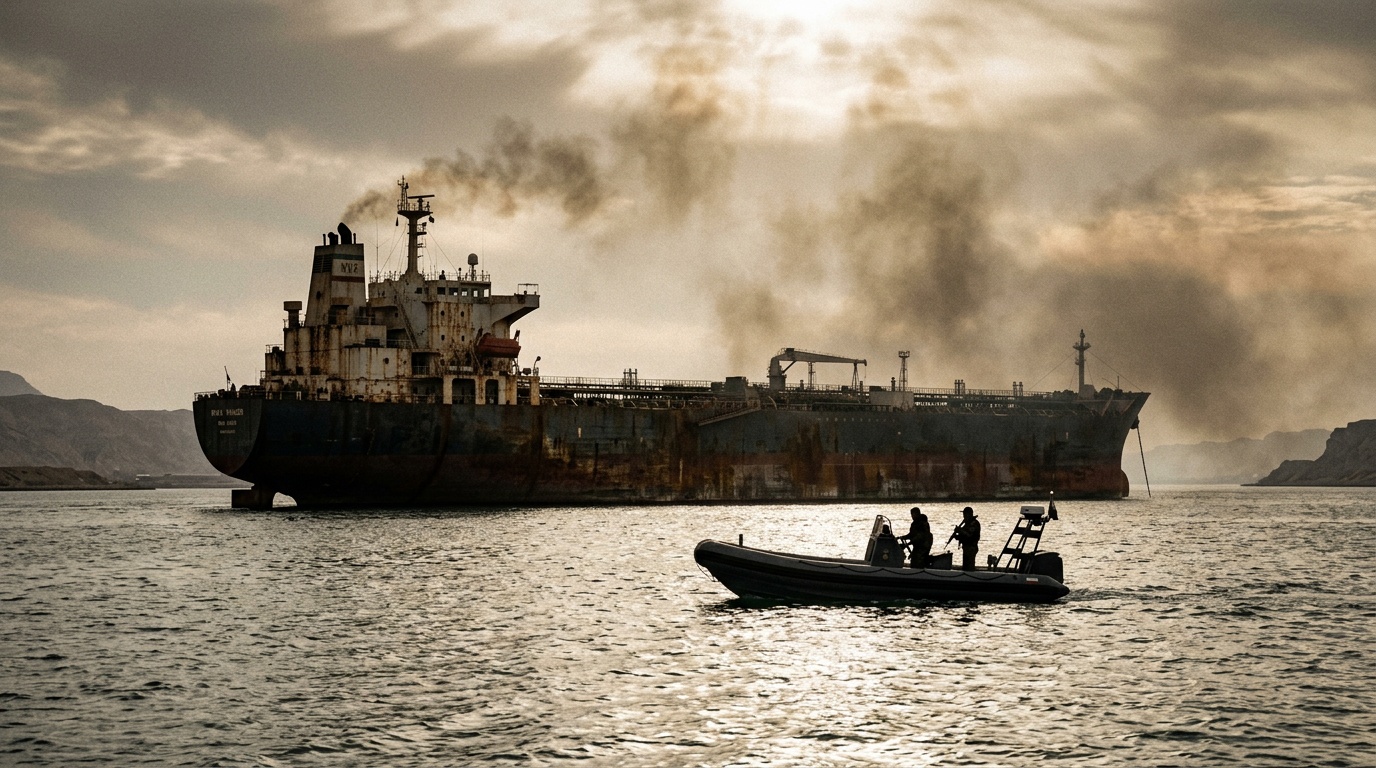
Meanwhile, former U.S. President Donald Trump added another layer to the tension. He warned Monday that Iran must reopen the Strait of Hormuz "immediately" or face the destruction of key oil, power, and strategic facilities. Trump said the U.S. was holding talks with what he called a "more reasonable" Iranian regime but threatened strikes if no deal is reached soon.
Put it all together, and you have Iran publicly questioning the value of America's security guarantee to Saudi Arabia, using a successful attack on a U.S. base as its exhibit A. It's a direct message in a region where messages are rarely this blunt.