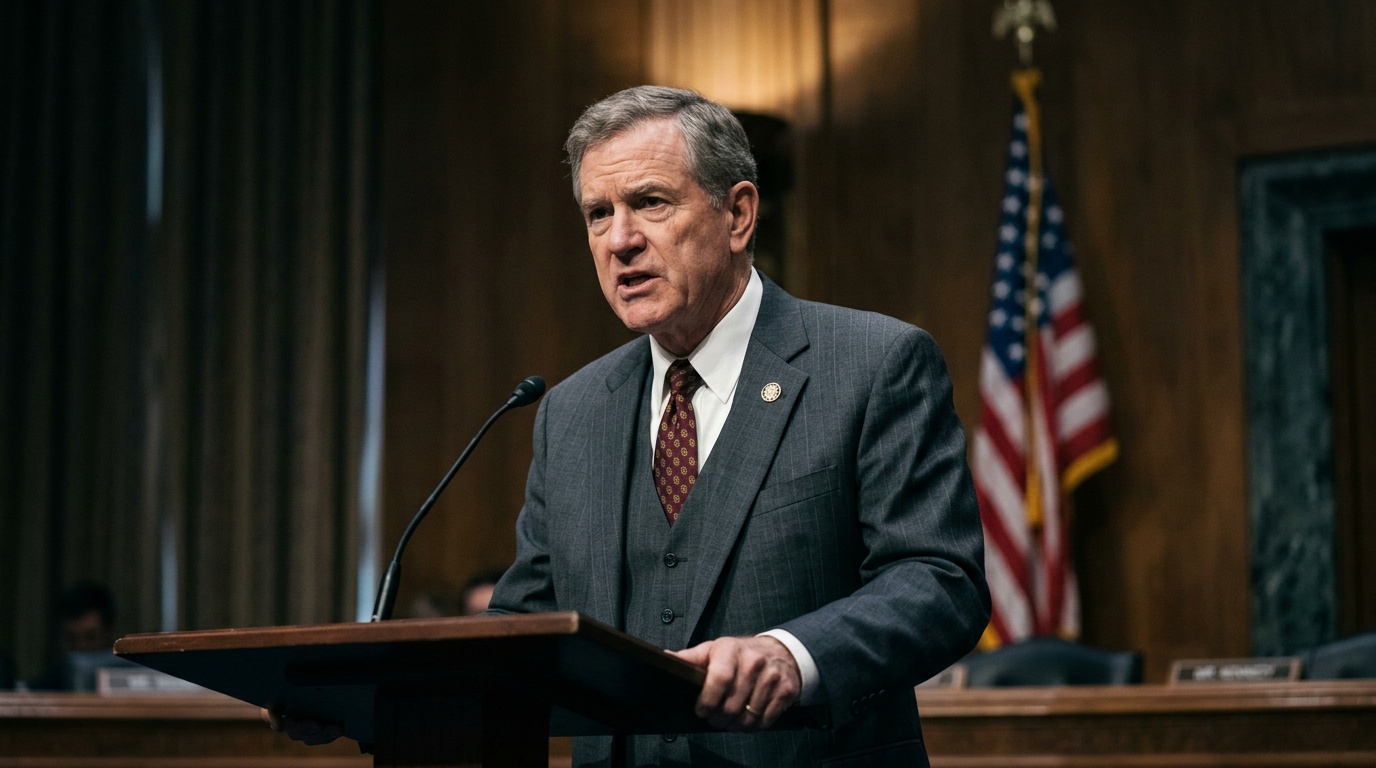
Here's a financial story that feels like it's straight out of a spy novel: Manhattan's top fraud prosecutors recently sat down with folks from Polymarket, the prediction market platform, to discuss whether people are making illegal insider trades on... war.
Yes, you read that right. The U.S. Attorney's Office for the Southern District of New York is looking into whether lucrative bets placed on Polymarket have violated federal laws, including insider trading statutes. This follows a warning from Jay Clayton, the U.S. Attorney and former SEC chairman, who told a securities law conference that criminal cases involving prediction market activity were coming.
Why the sudden interest? Because some traders are making alarmingly good—and profitable—calls on military activity. In one case, a newly created Polymarket account turned $32,000 into over $400,000 in less than 24 hours after the capture of Venezuelan leader Nicolás Maduro. In another, a trader netted nearly $1 million from making remarkably accurate bets on the Iran conflict. When profits get that big that fast, regulators tend to notice.
Platforms Rush To Write Their Own Rules
Facing this scrutiny, prediction market platforms are scrambling to get their houses in order. Polymarket issued new rules last week banning trades based on confidential information. Kalshi, which has long banned insider trading, went further by blocking politicians and athletes from trading in their own markets and said it has referred over a dozen cases to law enforcement in the past year.
But here's the tricky part: the legal ground here is completely untested. A former CFTC director of enforcement told CNN that prosecution may be difficult because prosecutors would need to show trading violated a specific fiduciary duty. The fact that these trades were placed on Polymarket's offshore site makes jurisdiction even murkier. And while Americans are technically not permitted to trade on Polymarket, customers easily access the platform with a VPN. The Trump administration's move to end investigations initiated during the Biden administration regarding compliance adds another layer of complexity.
Regulatory Walls Closing In From Every Direction
It's not just federal prosecutors paying attention. Arizona filed the first-ever criminal charges against Kalshi earlier this month, and California Gov. Gavin Newsom signed an executive order banning state officials from trading on insider knowledge.
On Capitol Hill, multiple bipartisan bills are targeting everything from insider trading by federal officials to outright bans on war and sports betting on these platforms. Even the CFTC Chairman Michael Selig announced a pro-innovation task force last week, but Manhattan federal prosecutors don't answer to the CFTC. The Trump administration's hands-off approach may not matter if the SDNY decides existing fraud statutes already cover the conduct.
What It Means For The Public Markets
So what does all this mean for your portfolio? Let's start with Robinhood Markets (HOOD). CEO Vlad Tenev has called prediction markets the fastest-growing business in company history. A DOJ insider trading prosecution, even if unsuccessful, could chill institutional adoption at the exact moment Robinhood is betting its super app strategy on the product. When regulators start asking questions, big money tends to get nervous.
DraftKings (DKNG) and Flutter Entertainment (FLUT) face the inverse problem. If regulatory pressure slows prediction market growth, the incumbent sportsbooks may keep market share they were on track to lose. It's a classic case of regulatory risk creating competitive advantages for established players.
The whole situation creates a fascinating tension between innovation and regulation. Prediction markets represent a new frontier in both finance and information aggregation, but when people start making million-dollar profits on war outcomes, it's going to attract attention from every prosecutor with jurisdiction to claim. The platforms are trying to self-regulate before someone else does it for them, but in the world of financial regulation, that's often like trying to build a fence while the wolves are already inside.