Here's a classic case of geopolitical whiplash. One minute, you're looking at a potential financial windfall because a war far away is pushing up the price of your main export. The next minute, a war much closer to home is blowing up the infrastructure you need to sell that export. That's the spot Russia finds itself in with oil right now.
The U.S. war with Iran has led to a rise in oil prices, which was expected to provide a financial windfall for Russia. However, continuous Ukrainian drone attacks on Russia's major export hubs have put a damper on these expectations. When last checked, Brent crude oil was trading 2.89% higher at $108.46 per barrel.
So, about that infrastructure problem. Nearly 40% of Russia's crude oil export capacity was halted on Wednesday, marking the country's largest modern-era oil supply disruption, according to reports. Think about that for a second. You can't sell what you can't ship. The attacks have compelled Moscow to review some exports and safeguard consumers, who are already grappling with high inflation. A major oil refinery in Yaroslavl, northeast of Moscow, was hit in a strike on Saturday, prompting the Kremlin to consider reinstating a gasoline export ban due to domestic fuel shortages.
Ukraine has been systematically targeting Russia's export plumbing. Drone strikes have hit the Novorossiysk, Primorsk, and Ust-Luga ports. Fresh Sunday attacks sparked fires at the Ust-Luga port, as per reports. It's a direct hit on the cash register.
The Windfall That Might Not Arrive
And what a cash register it was supposed to be. Before the drone attacks, Russia was earning around $760 million a day from oil due to the Iran war. Russia's monthly oil and gas revenue could double from ~$12 billion to ~$24 billion due to higher prices and temporary U.S. sanctions waivers, stated a publication, citing the Kyiv School of Economics Institute.
That's the kind of money that changes calculations in a long, expensive war. Ukrainian President Volodymyr Zelenskyy warned that recent gains from the Middle East war, about $10 billion in two weeks, could embolden Putin to continue the conflict. He also said that global oil sanctions and strikes on Russian energy infrastructure have pushed Moscow's 2026 deficit past $100 billion.
But President Vladimir Putin seems to be telling his oil and gas companies not to count their rubles before they hatch. He's urged them to stay cautious and use rising hydrocarbon revenues to pay down debt rather than increase spending. That's probably smart, because Russia's economy has been strained since it invaded Ukraine in 2022, with sanctions, war-driven economic mobilization, labor shortages, and high inflation prompting the central bank to maintain elevated interest rates. A windfall could easily get swallowed by the costs of the war itself.
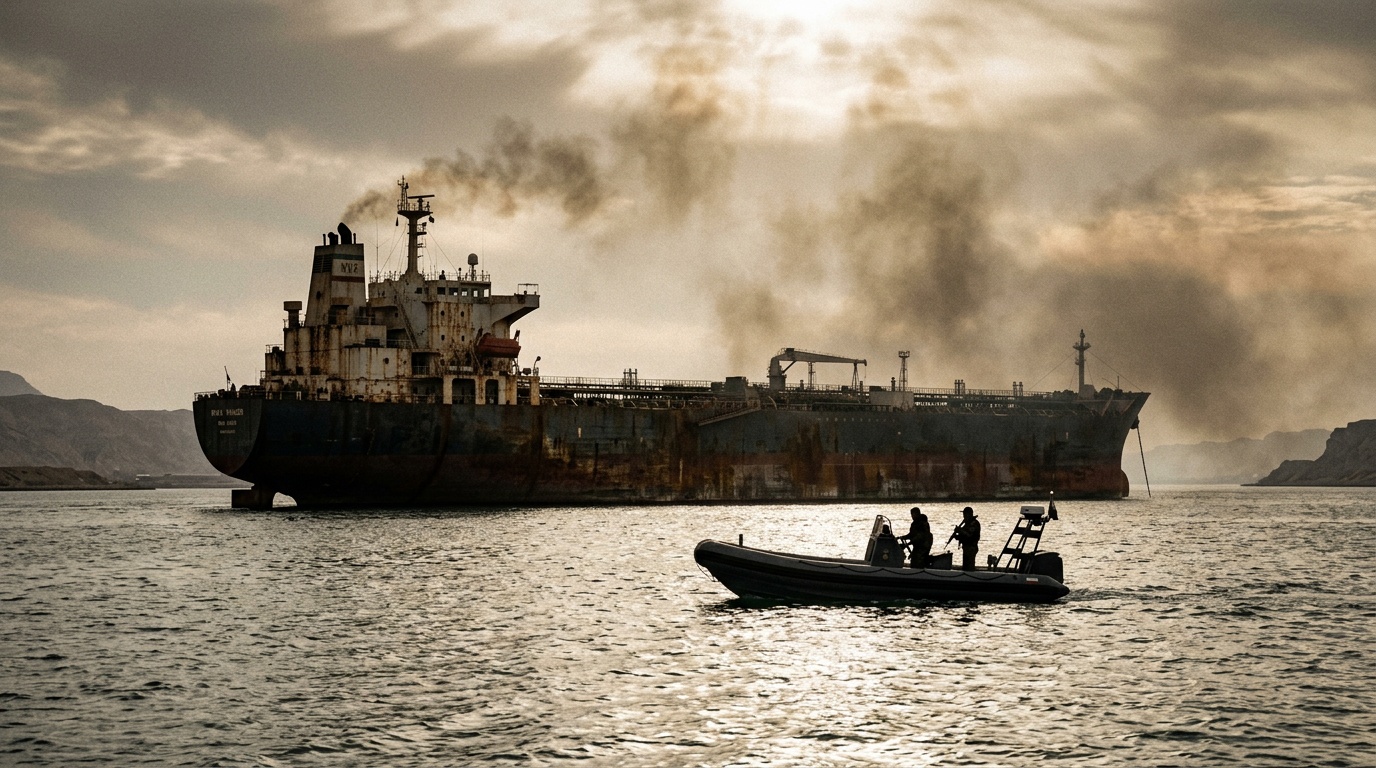
In a separate, curious footnote, former President Donald Trump said he doesn't have a problem with a Russian-sanctioned oil tanker delivering fuel to Cuba, citing the urgent humanitarian needs of Cuban citizens despite U.S. sanctions. The Kremlin later confirmed delivering the oil to the Latin American nation. It's a reminder that in the global oil game, the flows and the politics are always more complicated than they seem.
So, the story here isn't just about the price of oil going up. It's about Russia being in a position where the price going up matters less if you can't physically get the oil to market. The expected windfall is now tangled in a web of drone strikes, port fires, and domestic shortages. It's a vivid lesson in how war in one theater can giveth, and war in another can taketh away.