So here's a classic Trump move: threaten to blow up your adversary's entire energy sector while simultaneously praising their new leadership as "very reasonable." On Monday, the former president issued one of his more vivid warnings yet, saying the U.S. would "obliterate" Iran's key infrastructure—specifically electric generating plants, oil wells, and Kharg Island—if the Strait of Hormuz isn't reopened for business "immediately."
He announced this via a post on Truth Social, adding that the U.S. is in serious discussions with Iran's new regime to end military operations. He expressed optimism about the progress but made it clear the clock is ticking. "We have purposefully not 'touched' all desalination plants," he noted, which is one of those details that makes you wonder about the meeting where that decision was made.
This marks a significant escalation in rhetoric, especially since Trump just recently hailed Iran's new leadership and said a regime change had been accomplished. He described Iran's decision to allow 20 vessels through the Strait of Hormuz as a "gesture of goodwill and respect." So to recap: new regime = reasonable, allowing ships = respectful, but not opening the strait fully and immediately = your power grid gets vaporized. The logic is... fluid.
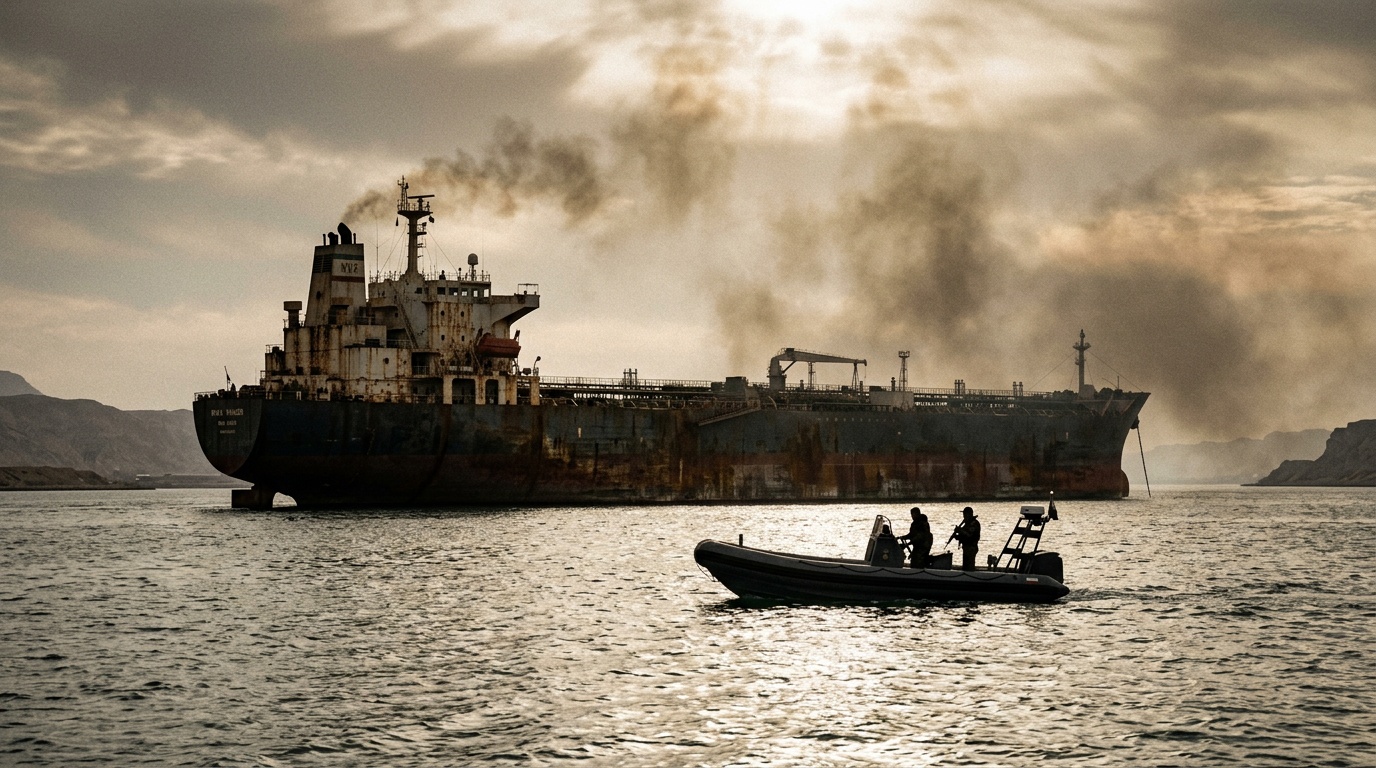
The Strait of Hormuz is, of course, the crucial waterway for global oil shipments, and it's been a flashpoint in U.S.-Iran tensions for years. Last week, Trump even proposed joint control of the strait along with Iran, casually referring to it as the "Strait of Trump." Because why not?
This isn't Trump's first market-moving comment on the situation. Last Monday, in a pre-market announcement, he said the U.S. and Iran had held "very good and productive talks" and that he had paused strikes on Iran's energy infrastructure for five days. He later extended that pause to ten days.
And here's where it gets interesting for traders: it was later reported that just minutes before Trump posted about those "productive" talks, traders placed over $500 million in oil market bets, which later moved prices sharply. This is the kind of thing that makes people wonder about timing and information.
Iran's Parliament Speaker, Mohammad Bagher Ghalibaf, certainly noticed. He mocked Trump's market moves, offering some unsolicited day-trading advice: "do the opposite" of what Trump posts pre-market. It's a layer of psychological warfare you don't usually see in geopolitical conflicts—normally it's about troop movements or diplomatic cables, not trying to outsmart someone on social media for trading gains.
Meanwhile, broader markets seemed relatively unfazed by the latest threat. The SPDR S&P 500 ETF Trust (SPY) and Invesco QQQ Trust ETF (QQQ), which track the S&P 500 and Nasdaq 100 respectively, were trading about 0.65% and 0.61% higher during Monday's pre-market session. Because sometimes the market decides that a threat to blow up a major oil producer's infrastructure is just Tuesday.
So what we have here is a peculiar mix: serious peace negotiations, threats of obliteration, proposed joint control of strategic waterways, and a side of market manipulation accusations—all delivered via social media. It's geopolitics as performance art, with real consequences for global oil supplies and anyone trading the volatility.