So here's the thing about oil prices and stock markets: when crude starts climbing like it's in a hurry to get somewhere, Wall Street gets that familiar nervous feeling in its stomach. And right now, with Brent crude up 59% this month—yes, you read that right, 59%—the queasiness is spreading.
Morgan Stanley just made a significant portfolio adjustment that tells you everything you need to know about the current mood. The firm downgraded global equities to "equal weight" from "overweight" while upgrading U.S. Treasuries and cash to "overweight" from "equal weight." Translation: they're taking some chips off the stock table and putting them in safer places.
Why the sudden caution? The strategists point to what they call "increasing risk asymmetry"—a fancy way of saying the potential downsides are starting to look scarier than the potential upsides. The Middle East conflict has created unpredictable oil supply disruptions, and nobody knows how long this will last or how bad it might get.
At last check, Brent crude was trading at $115.03 per barrel, up 2.19% on the day. But here's the really concerning part: Morgan Stanley warns that if oil prices climb to the $150-$180 range, global equity valuations could take a 25% hit. That's not a correction—that's a proper bear market.
As a result, the firm has reduced its overall equity exposure and specifically downgraded both U.S. and Japanese stocks to "equal weight." The interesting twist? Despite the downgrade, Morgan Stanley still prefers U.S. stocks over other regions because of their higher earnings-per-share growth. There's been a noticeable shift in investor psychology, with U.S. assets becoming a "defensive" safe haven during this conflict—quite the reversal from last year's trends.
Morgan Stanley isn't alone in its concerns. Economist Jeremy Siegel has been watching the same developments and expects markets could correct by around 10%. He doesn't see a major downturn for the S&P 500, but he's worried about something more immediate: consumer confidence.
"The bigger concern," Siegel says, "is consumer confidence, as higher fuel prices quickly hurt sentiment despite mixed economic effects." Even though energy companies benefit from higher prices, and a strong dollar helps cushion some of the impact, regular people feel the pain at the pump immediately. That psychological hit matters more than you might think.
Meanwhile, top economist Mohamed El-Erian told Business Insider that the economic impact of the Middle East conflict has already reached a critical level. He warned it could hit another turning point soon if tensions don't ease. Think of it like a pressure cooker—the heat keeps building until something has to give.
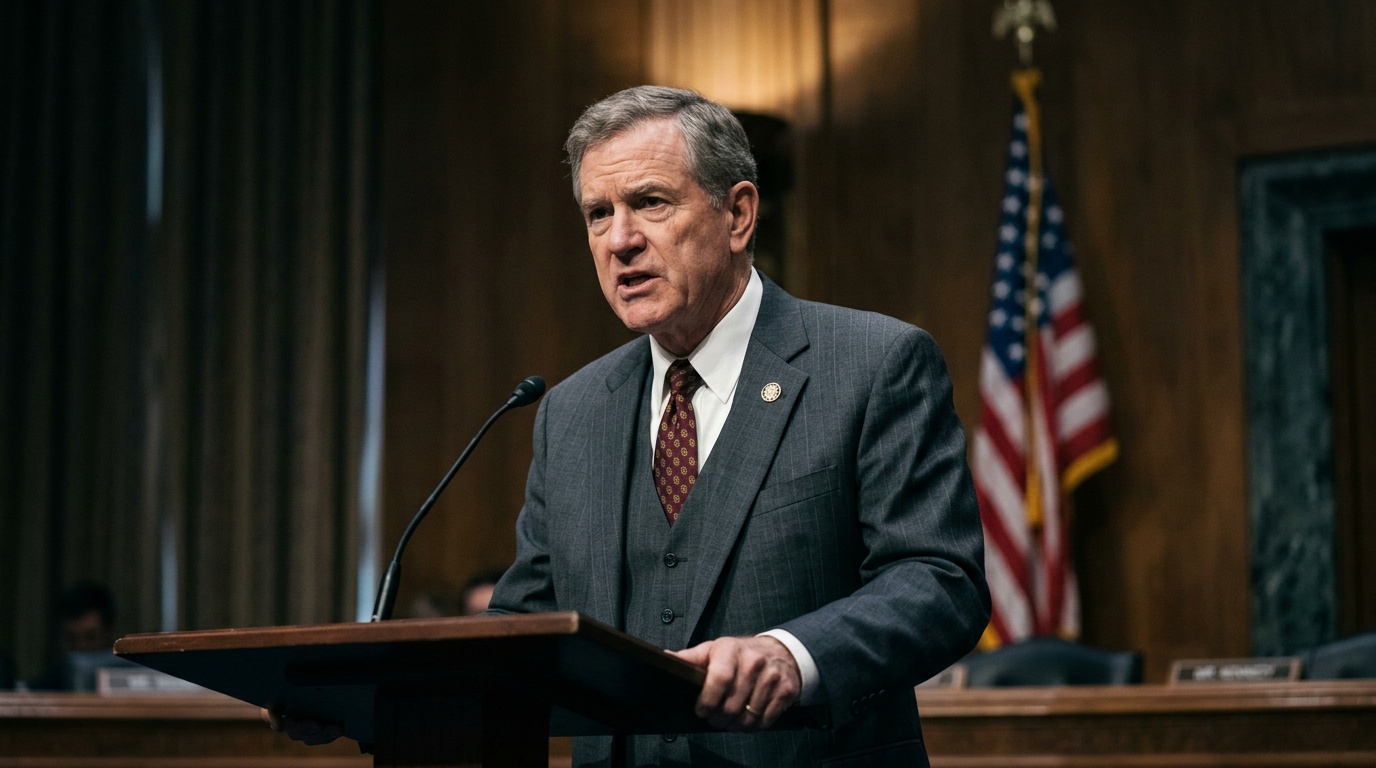
Ed Yardeni of Yardeni Research adds another layer to the anxiety. He warns that rising chances of U.S. military involvement are intensifying market uncertainty, describing the current environment as a "fog of war." The S&P 500 has already fallen about 8.7% from its peak and slipped below key technical levels. Yardeni sees a 15% correction as possible.
But here's the contrarian twist: Yardeni notes that extremely bearish sentiment could actually be a positive signal. When everyone gets too pessimistic, markets often find a way to surprise on the upside. It's the old "when there's blood in the streets" logic, though admittedly it's cold comfort when your portfolio is taking a hit.
The market action tells the story better than any analyst report. Over the past month, the Vanguard S&P 500 ETF (VOO) fell 7.65%, while the Invesco QQQ Trust, Series 1 (QQQ) dropped 7.48%. That's what happens when uncertainty becomes the dominant market theme.
So what's an investor to make of all this? You've got Morgan Stanley moving to a more defensive posture, economists warning of corrections, and oil prices doing their best impression of a rocket ship. The common thread is uncertainty—nobody knows how this Middle East situation plays out, but everyone knows higher oil prices are bad for everything except energy stocks.
The real question isn't whether markets will react to $150 oil (they will), but whether we actually get there. For now, Wall Street is preparing for the possibility, even if it hopes it never arrives.