So, the U.S.-Iran conflict is now in its fifth week. Remember when it started back on February 28? A lot has happened since then, and Monday brought another batch of developments that show this isn't just a military story—it's about diplomacy, internal politics, and a growing humanitarian crisis.
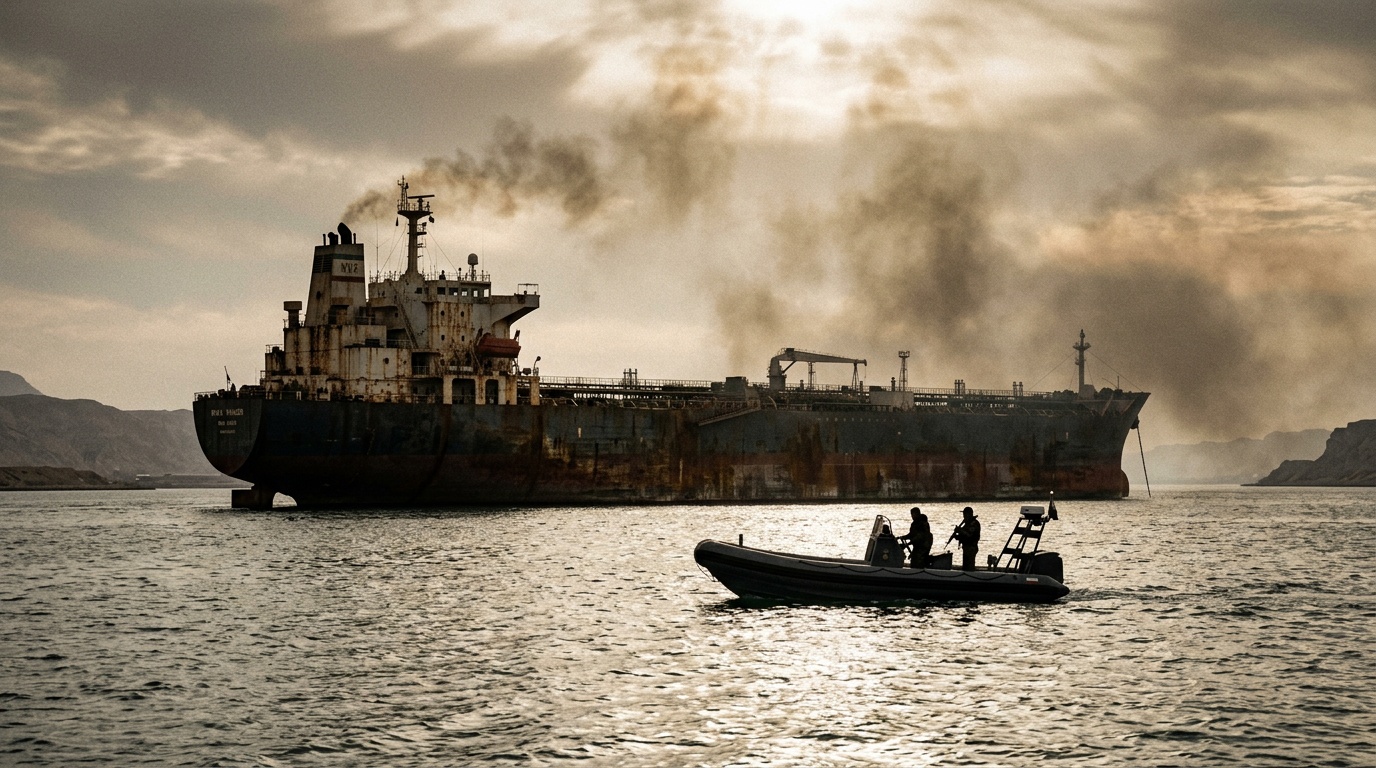
Let's start with the diplomacy. On Sunday, former President Donald Trump made some waves by suggesting the U.S. could "take the oil in Iran," specifically mentioning seizing the key export hub of Kharg Island. He drew a parallel to Washington's approach in Venezuela. He also indicated that a "regime change" in Iran has been accomplished. Strong words, but the actual diplomatic action was happening elsewhere.
Islamabad Talks: A Push for Ceasefire and Dialogue
On Monday, foreign ministers from Saudi Arabia, Türkiye, and Egypt wrapped up talks in Islamabad. The host, Pakistan, was pretty clear: dialogue is the only path forward. The four nations came out with a joint statement calling for an immediate ceasefire, stressing Muslim unity, and throwing their support behind structured negotiations between the U.S. and Iran. Earlier, Pakistan's Foreign Minister Ishaq Dar had even offered to host "meaningful" talks in the country to help end the war. It's a significant regional push for de-escalation, showing that key players are getting nervous and want to see the temperature come down.
Regional Fallout: Condemnation from Qatar
Meanwhile, the conflict's regional spillover continued. Qatar came out strongly condemning Iran's strikes on key infrastructure in neighboring Kuwait. The attacks reportedly hit a camp, a power station, and a desalination plant. Qatar called the attacks unjustified and expressed full solidarity with Kuwait. According to reports from Al Jazeera, Kuwaiti authorities said the strike killed an Indian worker and damaged facilities. It's a stark reminder that even when the big powers are the main actors, the collateral damage hits other countries hard.
Internal Cracks: A Power Struggle in Tehran?
Perhaps one of the most intriguing developments isn't on the battlefield but within Iran's own leadership. Senior Iran Analyst Dror Balazada told C14 News Israel that leaked details point to a deepening power struggle. The story goes that President Masoud Pezeshkian has reportedly clashed with the powerful Islamic Revolutionary Guard Corps (IRGC). He's apparently accused them of reckless control that could collapse Iran's economy. Sources suggest the IRGC has taken over key state functions, blocked his resignation, and sidelined him from talks with the U.S.—leaving the president feeling powerless and, in his own reported words, "like a hostage." If true, it paints a picture of a regime where the civilian leadership is being muscled out by the military wing in the middle of a crisis. That's rarely a stable situation.
Domestic Crackdown and Humanitarian Crisis
Back inside Iran, the government is showing a hard line. Authorities executed two individuals accused of links to the opposition group Mojahedin-e-Khalq (MEK). The official line, as reported by Al Jazeera, is that they carried out attacks on security forces and had connections to the U.S. and Israel. Executions during wartime often serve as a message of internal control.
But the human cost of this conflict stretches far beyond Iran's borders. According to UNICEF, speaking to CNN, the war has displaced a staggering 20% of Lebanon's population in just three weeks. That translates to around 19,000 children being forced to flee their homes every single day. The agency also stated that reaching affected children, especially in southern areas, remains a major challenge. It's a brutal statistic that underscores the war's rapid and devastating impact on civilians caught in the crossfire.
So, where does this leave us? You've got diplomatic circles pushing hard for a ceasefire, regional allies condemning specific attacks, rumors of a serious rift at the top in Tehran, a domestic crackdown, and a humanitarian disaster unfolding next door. It's a messy, multi-front situation with no easy off-ramp in sight. The fifth week looks a lot like the first four: complicated, volatile, and increasingly costly.