So here's a geopolitical puzzle for you: a Russian oil tanker, sanctioned by the U.S. and its allies, is heading to deliver fuel to Cuba, a country under a strict U.S. blockade. And the former U.S. president who helped tighten that blockade says it's fine. Welcome to the strange, pragmatic world of international sanctions and humanitarian exceptions.
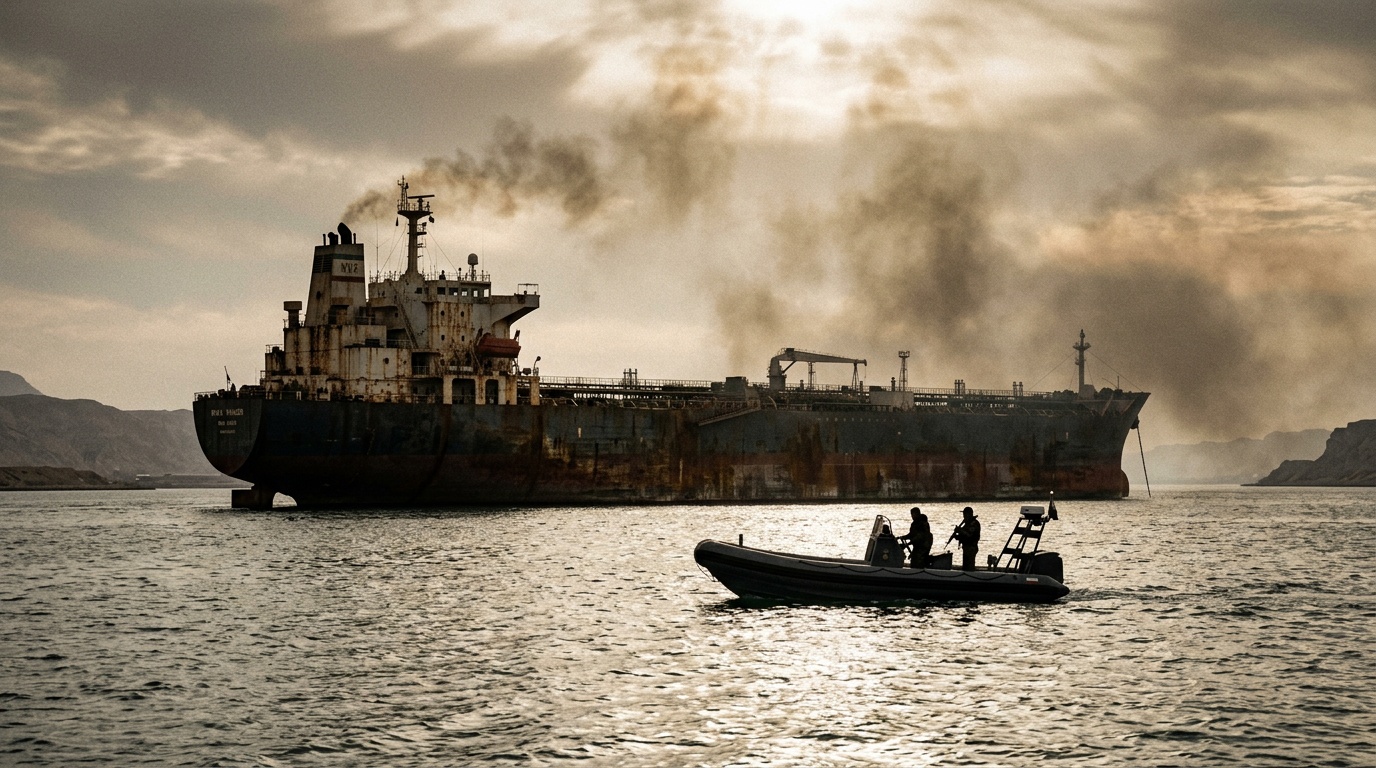
Former President Donald Trump said over the weekend that he has "no problem" with the Russian tanker Anatoly Kolodkin delivering its cargo to Cuba. The vessel, carrying roughly 730,000 barrels of oil, was positioned off Cuba's eastern coast and is expected to reach the port of Matanzas by Tuesday, according to reports.
"We have a tanker out there. We don't mind having somebody get a boatload because they need… they have to survive," Trump told reporters while returning to Washington. When asked specifically about allowing the tanker to dock, he added, "I told them, if a country wants to send some oil into Cuba right now, I have no problem whether it's Russia or not."
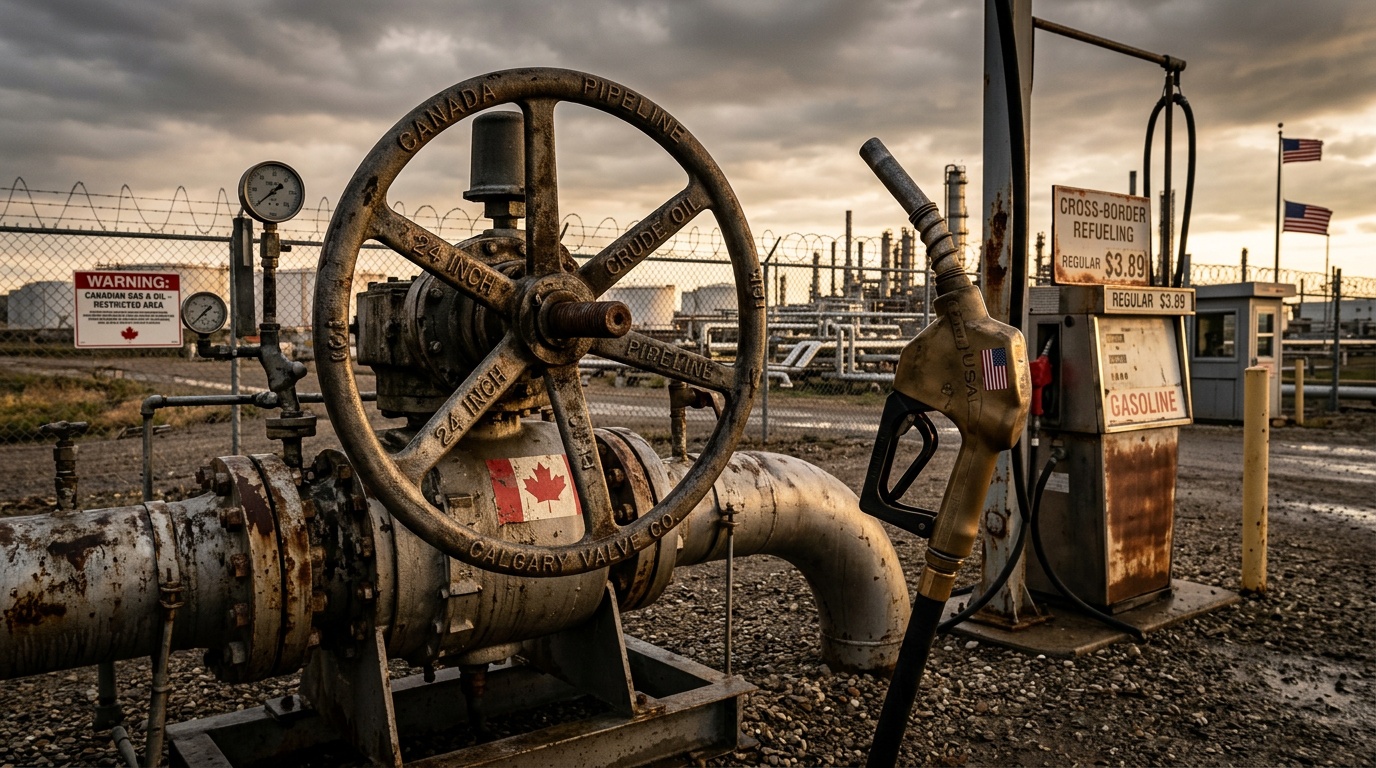
This is the same tanker that's under sanctions from the United States, the European Union, and the United Kingdom due to Russia's war in Ukraine. And it's heading to a country where Trump himself had previously signed executive orders halting fuel shipments and restricting Venezuelan support, all part of a pressure campaign on the Cuban regime.
Experts estimate this particular shipment could produce about 180,000 barrels of diesel. That's enough to meet Cuba's daily demand for roughly nine to ten days—a temporary but potentially critical reprieve for an island facing what reports describe as a fragile economy, dwindling resources, and the risk of widespread blackouts.
The timing is interesting. Just last week, at the Future Investment Initiative summit in Miami, Trump suggested Cuba could be the next target for U.S. action following operations in Iran. He briefly described a potential "friendly takeover" while touting U.S. military gains. So on one hand, you have talk of further pressure; on the other, a practical allowance for a boatload of fuel from a geopolitical adversary.
Meanwhile, Cuba isn't just waiting for tankers. The government has been moving to stabilize its economy by allowing Cubans living abroad to invest in and own businesses on the island. Deputy Prime Minister Oscar Pérez-Oliva Fraga said these reforms are designed to attract both domestic and external investment, expand private enterprise, and support key industries like tourism, mining, and energy—all while the country deals with infrastructure breakdowns.
So what do we make of this? It's a classic case of geopolitical principles bumping up against on-the-ground reality. The sanctions on Russian vessels are meant to punish Moscow for its actions in Ukraine. The blockade on Cuba is meant to pressure its government. But when people are facing blackouts and shortages, even the staunchest political positions sometimes make room for a "boatload" of humanitarian relief—even if it comes from a sanctioned tanker flagged by the country you're trying to pressure.
It's not a change in policy, exactly. More like a tactical exception. The tanker gets to deliver its cargo, Cuba gets a temporary fuel supply, and everyone gets to argue about what it all means for the broader strategy. In the world of international relations, sometimes the most interesting stories are about the exceptions, not the rules.