So, here's a situation that sounds like it's straight out of a geopolitical thriller, but it's apparently just the Pentagon doing its job. According to U.S. officials, the military is preparing for ground operations in Iran that could last several weeks. This comes as thousands of American Marines and sailors are flowing into the Middle East, setting the stage for what could become a much more dangerous phase of the ongoing conflict—if President Donald Trump decides to escalate.
The planning, first reported by The Washington Post, suggests any operation would stop well short of a full-scale invasion. Think more along the lines of targeted raids by Special Operations forces and conventional infantry troops. It's the kind of contingency planning that makes military planners feel useful and the rest of us feel a bit uneasy.
When asked about the report, White House press secretary Karoline Leavitt gave the classic diplomatic-military two-step. "It's the job of the Pentagon to make preparations in order to give the Commander in Chief maximum optionality," she said. "It does not mean the president has made a decision." In other words, they're getting the playbook ready, but nobody's called the play yet.
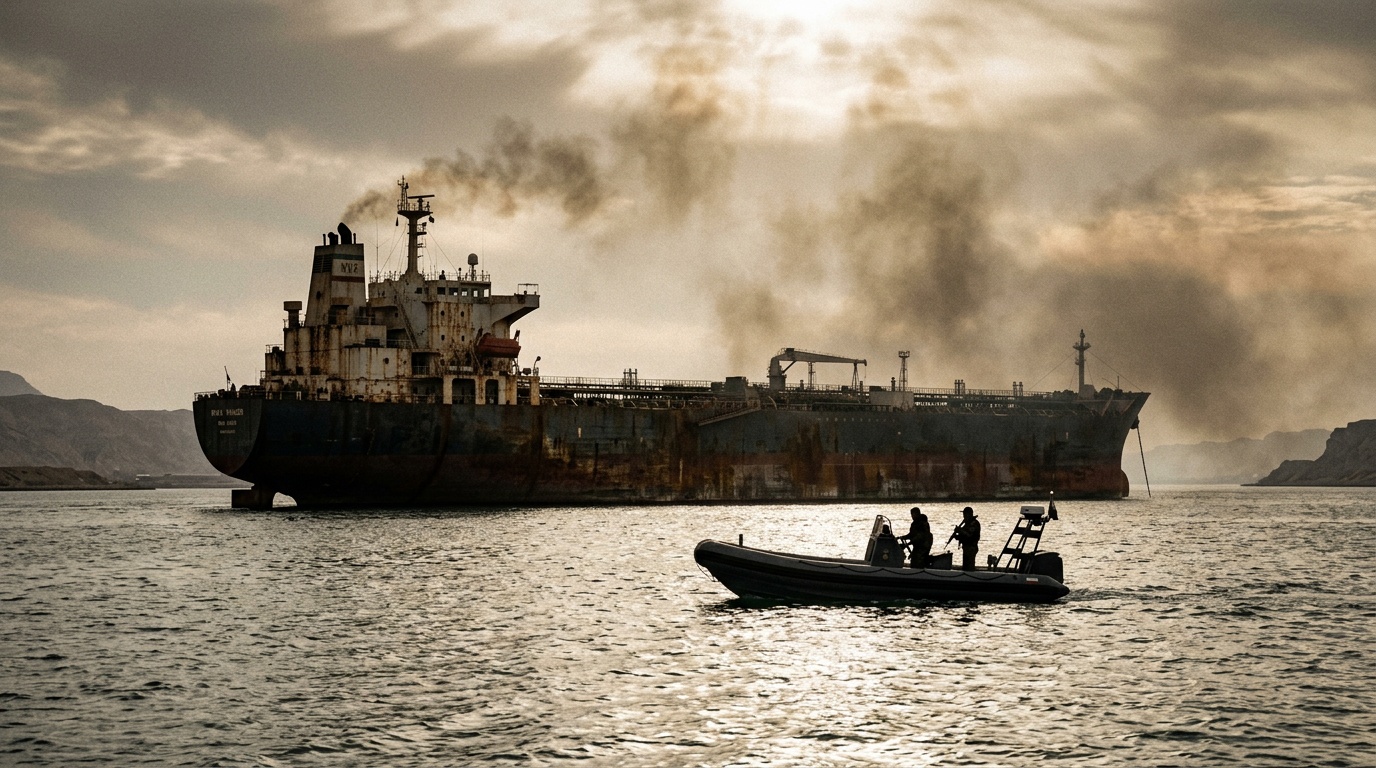
So, what's actually in this playbook? Officials told the Post that internal discussions over the past month have included some pretty specific scenarios. One is the possible seizure of Kharg Island, which is a major hub for Iranian oil exports in the Gulf. Another involves raids on coastal areas near the Strait of Hormuz, aimed at destroying weapons that threaten commercial and military shipping. The timeline? Estimates vary. One person said the objectives would likely take "weeks, not months," while another was a bit less optimistic, estimating "a couple of months."
Unsurprisingly, Iran isn't just watching this from the sidelines. Mohammad Bagher Ghalibaf, Iran's parliament speaker, has accused Washington of quietly preparing for a ground invasion while publicly talking about diplomacy. He warned that Iranian forces are ready to respond if U.S. troops enter the region. Meanwhile, on CBS's "Face the Nation," Iran analyst Karim Sadjadpour said he didn't see "any possibility of a resolution to this conflict" outside of a negotiated settlement. So, the public posturing and private planning continue on both sides.
And the troop movements are real. Over the weekend, U.S. Central Command said about 3,500 additional personnel arrived in the region aboard the USS Tripoli. CENTCOM noted that the 31st Marine Expeditionary Unit entered its area of responsibility with transport and strike fighter aircraft, along with other amphibious and tactical assets. It's a significant buildup, making the reported planning feel a lot less theoretical.
It's one of those stories where the official line is "we're just planning," but the movement of forces and the specificity of the discussions suggest the planning is getting fairly detailed. For now, it remains a contingency. But in geopolitics, sometimes contingencies have a way of becoming realities.