Sunday evening delivered a classic market reaction to geopolitical noise: sell stocks, buy oil, and watch Asia for the overnight fallout. It's the financial version of duck and cover.
Dow futures fell 249 points, or 0.55%, while S&P 500 futures dropped 0.52% and Nasdaq 100 futures slipped 0.58%. Over in the commodities pit, it was a different story. Brent crude, the global benchmark, jumped 2.63% to trade above $115 a barrel. West Texas Intermediate crude wasn't far behind, climbing 2.50%. Gasoline and heating oil futures also moved higher. The only energy product missing the party was natural gas, which fell over 3%.
The trigger? Escalating rhetoric between Washington and Tehran, with a notable soundbite from former President Donald Trump. In an interview, Trump suggested the U.S. could seize Iran's oil infrastructure, calling it his "favorite thing" to do and noting the country has "a lot of options."
Comments like that, against a backdrop of reported U.S. troop buildups in the region, are the kind of thing that makes traders reach for the risk-off button. It wasn't just futures feeling the heat. Asian markets opened sharply lower, with Japan's Nikkei 225 plunging 4.67% and South Korea's KOSPI dropping 3.63%.
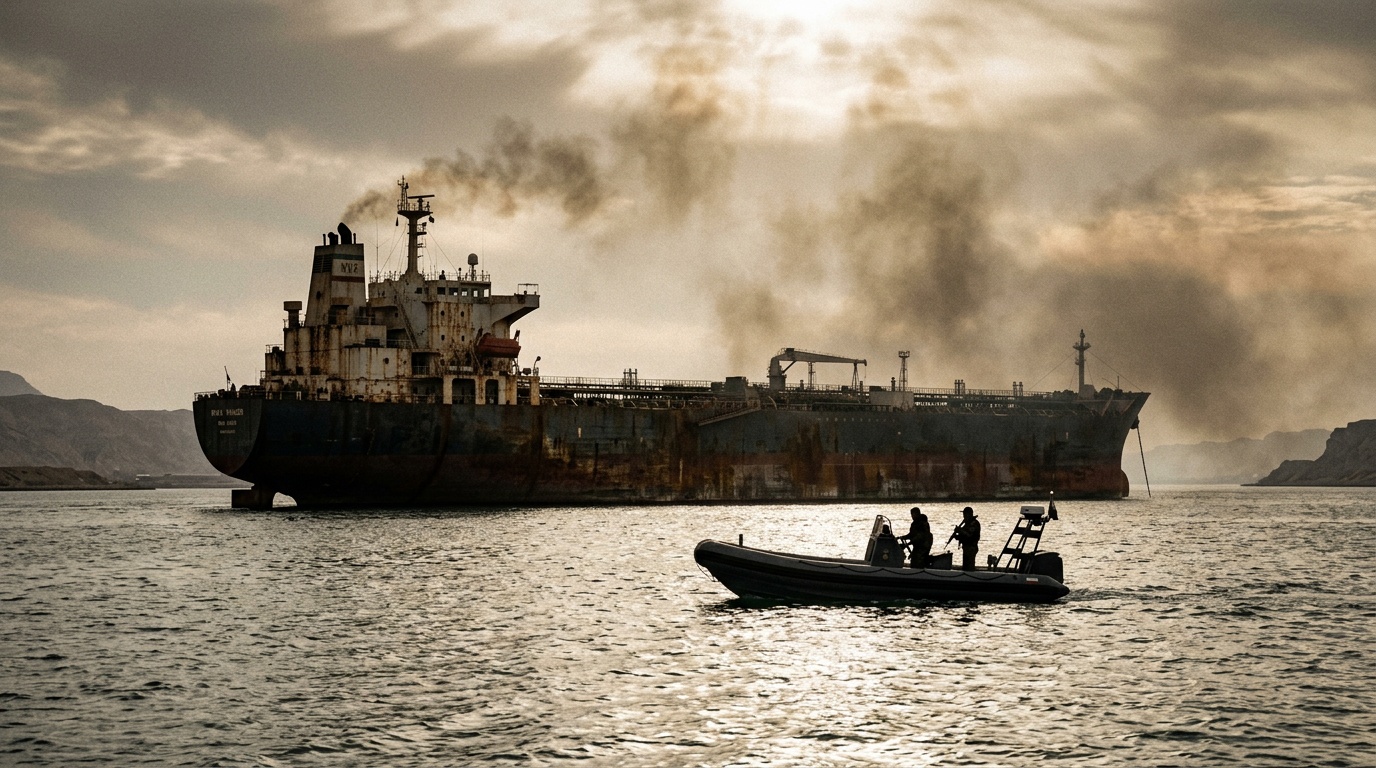
The suggestion of seizing assets, particularly energy infrastructure like the key export hub on Kharg Island, adds a tangible economic dimension to the conflict. It follows a warning from economist Nouriel Roubini on Friday that Trump is more likely to escalate the situation than seek a quick resolution.
On the other side, Iranian officials were not in a conciliatory mood. Parliament speaker Mohammad Baqer Qalibaf accused the U.S. of sending mixed signals—talking negotiations while preparing for military action. He stated Iran would "never accept" demands for surrender and warned the country is ready to respond if U.S. troops are deployed on the ground.
Amid the rising temperature, diplomatic efforts haven't completely stalled. Pakistan has signaled it is preparing to host de-escalation talks. However, a cloud of uncertainty remains, compounded by a U.S. deadline for Iran to agree to terms or face potential strikes on its energy sector. Adding to the tense atmosphere, Iran's nationwide internet blackout has now stretched to nearly a month.
So, the Sunday night script was familiar: a geopolitical headline, a flight from risk assets, a bid for oil, and a nervous wait to see what Monday brings. The markets are pricing in the possibility that someone might just try to take the oil.