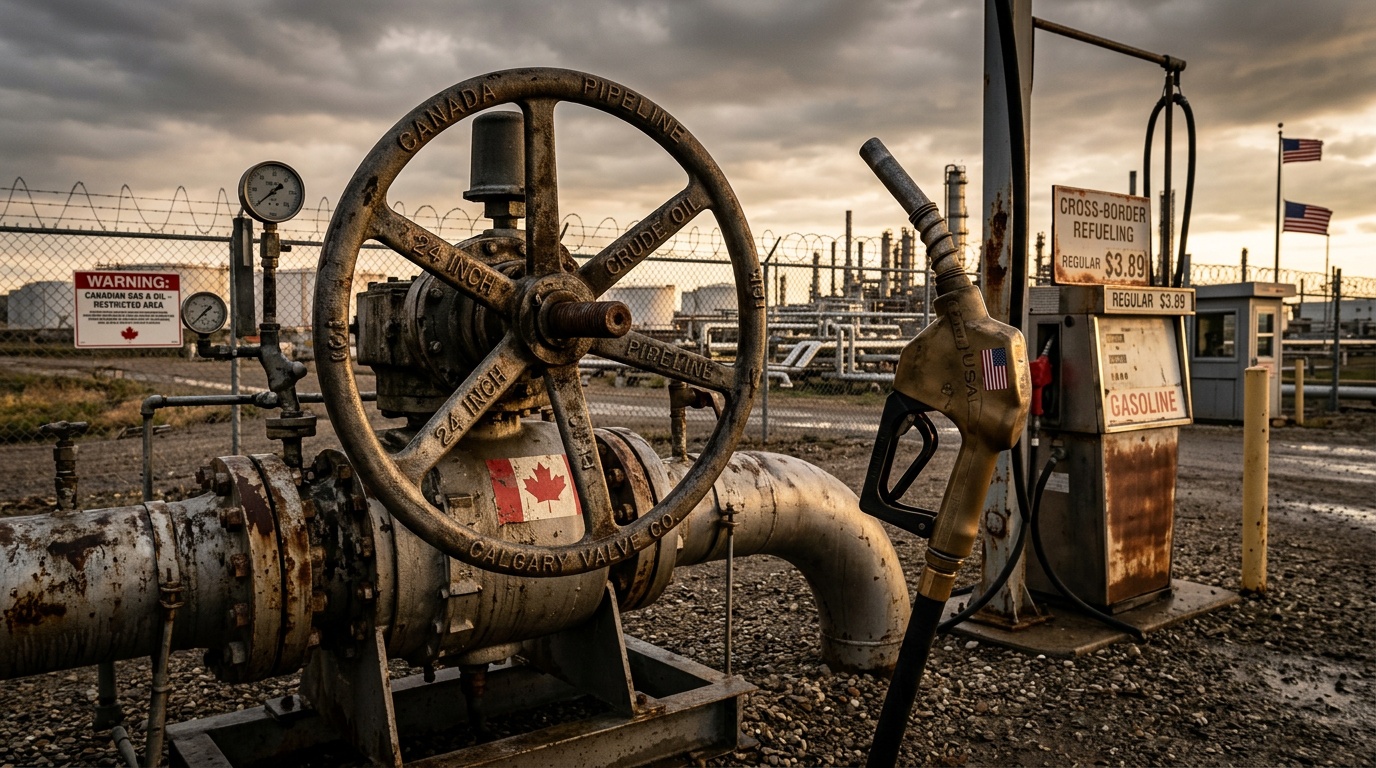
Here's a simple, uncomfortable idea: if you want sanctions to actually work, you have to cut off the money. Specifically, the oil money. That's the core argument economist Robin Brooks made over the weekend, calling for a full embargo on Iran's crude exports. His reasoning is brutally straightforward: letting oil revenue keep flowing to governments under sanctions doesn't change their behavior; it just funds them. And we've seen this movie before—with Russia.
In a recent commentary, Brooks tied his push for an Iranian oil embargo directly to the West's decision not to fully block Russian barrels after the invasion of Ukraine. That choice, he argues, helped keep Moscow's war machine supplied. The lesson? Sanctions without a hard stop on energy exports are like putting a speed bump in front of a tank. It might slow things down, but it won't stop the advance.
Why Ignoring Iranian Oil Exports Is a Dangerous Game
Brooks frames this as a clear lesson from recent history. The West never truly shut down Russia's oil flows, and he believes a tougher stance earlier could have reduced the damage in Ukraine. Now, he's applying that logic to Iran. The argument hinges on a basic economic truth: oil receipts are central to how these governments operate. Take away the cash, and you apply real pressure.
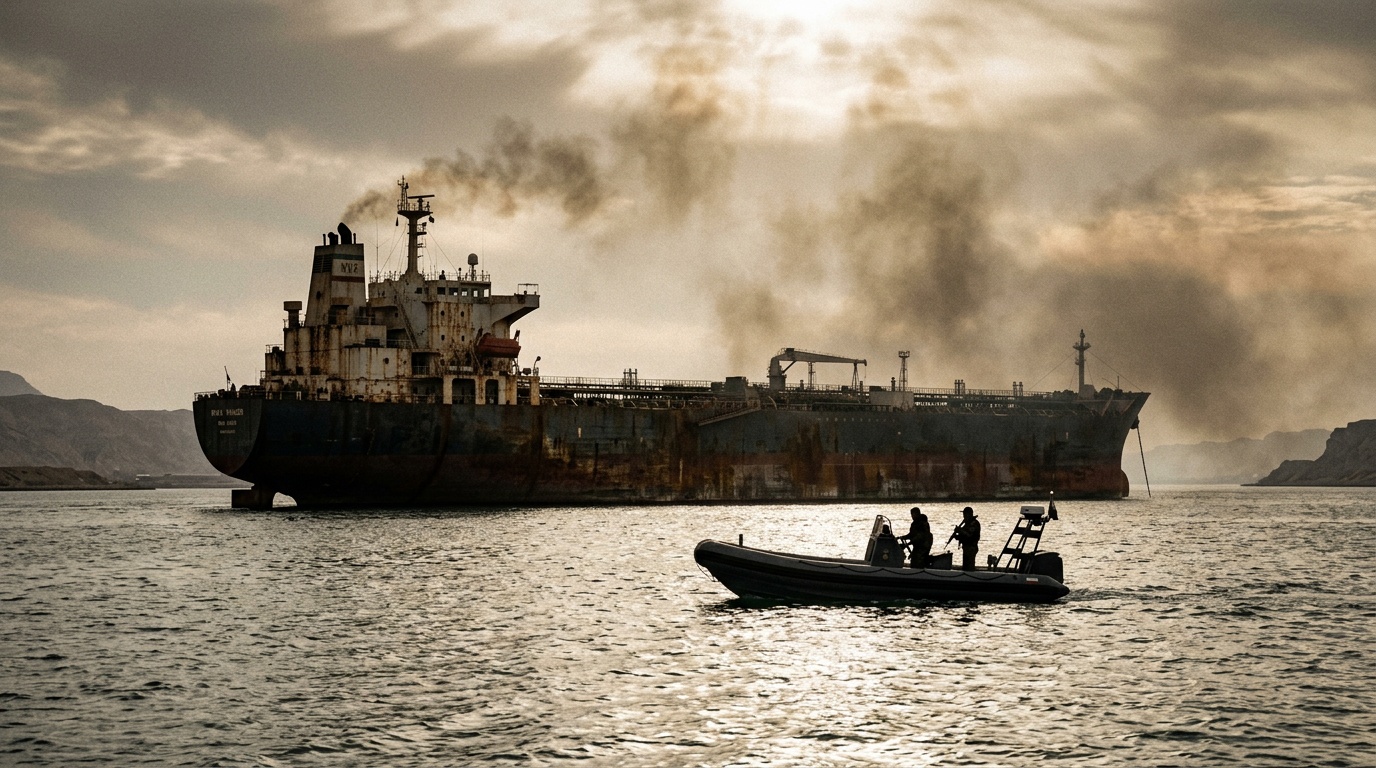
To illustrate the potential market impact, Brooks contrasted the recent jump in Brent crude—which surged more than 7% in a day—with the roughly 2% move on February 24, 2022, the day Russia invaded Ukraine. Why the bigger reaction now? It's all about the plumbing. Russia exports about 7 million barrels per day. That's a lot. But roughly 20 million barrels move through the Strait of Hormuz each day. An Iran-related disruption there doesn't just tweak supply; it threatens a major artery of global energy trade.
Markets Aren't Treating This as a 'Little Shock'
Brooks has been critical of the tendency in some market commentary to wave off sudden price moves or downplay surprises. He described the recent market action as "defensive rather than calm," calling it a risk-off setup. In his view, markets were "trading Iran like it's a big shock — not a little one."
The cross-asset signals he flagged were mixed but leaned cautious. On the day of the recent oil spike, the S&P 500 finished flat. For comparison, it gained roughly 2% on the day Russia invaded Ukraine in 2022. Meanwhile, gold rose and the U.S. dollar strengthened against both G10 and emerging-market currencies—classic safe-haven moves. By the following day, he pointed to additional confirmation in commodities, with WTI crude nearing $81 a barrel and coal up more than 8%.
The Dollar's Dance and Global Trade
This discussion on oil revenue doesn't happen in a vacuum. It ties into broader currency dynamics. The U.S. dollar has dropped about 10% since the beginning of the current presidential term, which naturally prompts questions about its status as the world's reserve currency. Analysts, including Robin Brooks of the Brookings Institution, have noted that despite this decline, central banks globally—including in China and Japan—are not abandoning the dollar, indicating its continued dominance in international trade.
These currency fluctuations create winners and losers. A weaker dollar tends to favor companies with large international exposure and big U.S. stocks that earn substantial revenue overseas. This backdrop of currency volatility adds another layer to Brooks's argument for a stricter energy embargo. Ongoing geopolitical tensions don't just move oil prices; they ripple through currency markets and influence global risk sentiment.
The Staggering Scale of Middle Eastern Oil Flows
Brooks's supply math is really about chokepoints. The Strait of Hormuz isn't just another shipping lane; it's a daily conduit for volumes that dwarf the export totals of most single countries. That sheer scale is why he argues an Iranian oil embargo wouldn't be some niche, symbolic policy step. It would be a move with immediate, tangible implications for global energy pricing and broader investor risk appetite.
In the broader market performance around this discussion, major indices reflected the tension. The SPDR S&P 500 ETF Trust (SPY) was down 1.36%, while the Nasdaq-100 proxy Invesco QQQ Trust (QQQ) fell 1.42%. It's a reminder that in today's interconnected markets, a call to shut down a major oil exporter isn't just geopolitics—it's a direct input into the algorithms and portfolios driving Wall Street.
The takeaway from Brooks's argument is simple, even if the solution is complex: money talks. If the goal is to pressure a regime, its bank account is the most obvious place to start. And for governments funded by crude, that means the oil has to stop flowing. Otherwise, as the last few years have shown, the sanctions might just be expensive noise.