So, global trade talks are stuck. Again. This time, it's a fight over whether you should pay a tax when you download a song or an ebook from another country.
The World Trade Organization (WTO) just wrapped up another round of meetings with no deal in sight, thanks to a standoff between the United States and India. The core issue? Extending a long-standing moratorium that stops countries from slapping customs duties on electronic transmissions—things like software, music, and digital books.
Trade ministers met over the weekend trying to bridge the gap. According to reports, India has signaled it might be okay with extending the tax ban for another two years. The US, however, isn't interested in another temporary fix. Washington wants a permanent solution.
This isn't just bureaucratic haggling. The stakes are high for the WTO itself. "If the moratorium does not get extended, the U.S. will use it as an excuse to beat the WTO on the head," a senior diplomat told Reuters. That's a pretty blunt way of saying failure here gives critics more ammunition to argue the global trade body is ineffective.
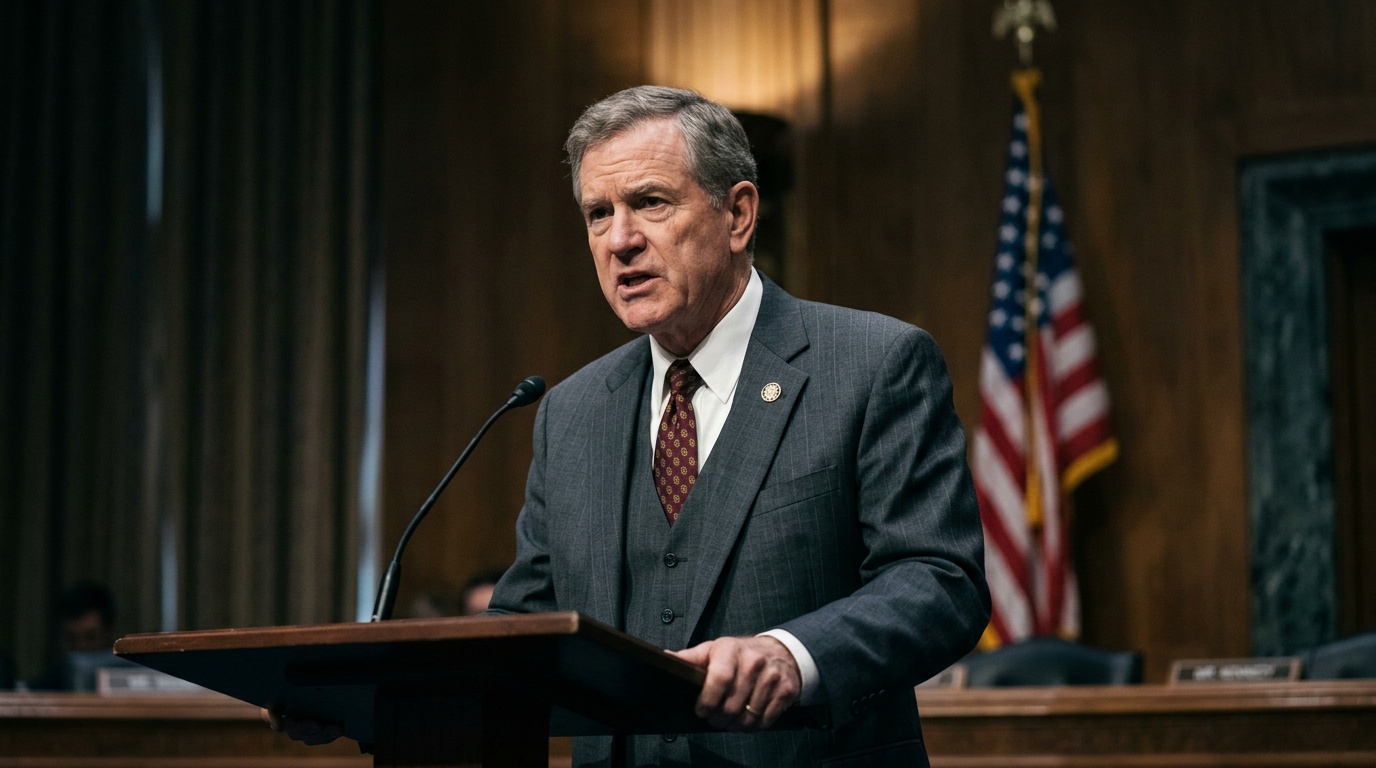
U.S. Ambassador Joseph Barloon framed the US position as one of commitment, saying a permanent extension would ensure Washington remains "fully engaged" in the WTO.
With the two sides dug in, diplomats are reportedly scrambling for a middle ground. Ideas on the table include a "pathway to permanence" with longer extensions of five to ten years. A draft proposal also suggests adding support for developing countries and a review clause to monitor how things are going. But getting all 164 WTO members to agree on anything is famously difficult, and consensus is far from certain.
This digital tax deadlock is happening against a much louder backdrop of cracking global trade relations. Last week, billionaire investor Ray Dalio warned the world was "on the brink" of a capital war. Speaking at the World Government Summit, he argued the post-1945 international system—built around institutions like the UN and WTO—is fracturing, leading some investors to seek safety in hard assets like gold and silver.
The US-India trade relationship has its own specific tensions. Last year, India notified the WTO of plans to retaliate against US tariffs on foreign-made automobiles, a move that could affect nearly $2.9 billion in exports. Indian Trade Minister Piyush Goyal has emphasized that any free trade agreements must be "win-win," pushing back against US pressure to open key Indian sectors. This negotiation has a clock on it, with a deadline set by former President Donald Trump for July 9.
The broader picture is worrying enough that WTO Director-General Ngozi Okonjo-Iweala felt the need to issue a stark warning. At the World Economic Forum, she cautioned that a tit-for-tat trade war with tariffs ranging from 25% to 60% could mirror the destructive policies of the 1930s, potentially causing double-digit losses in global GDP. Her message was simple and dire: "Everyone will pay."
So, what started as a technical debate over taxing digital downloads is now a microcosm of much bigger fights—about how global trade rules are set, who benefits, and whether the system built to manage it all can still function when its biggest players can't agree.