Here's a classic geopolitical escalation cocktail: take one ballistic missile launch from Yemen toward Israel, add a deployment of 2,500 U.S. Marines to the Middle East, and stir with a blockade of the world's most important oil shipping lane. That's the situation unfolding over the weekend, marking what looks like a dangerous new phase in the regional conflict.
On Saturday, the Houthis—the Yemen-based militant group backed by Iran—fired that missile at Israel. Reports indicate it caused no casualties, but it came as Israel continued its offensive against Iranian and Lebanese targets. Airstrikes in Tehran reportedly hit residential areas and a university. The Houthi military spokesman, Yahya Saree, made the group's position clear, saying attacks from Yemen will continue "until the aggression ends."
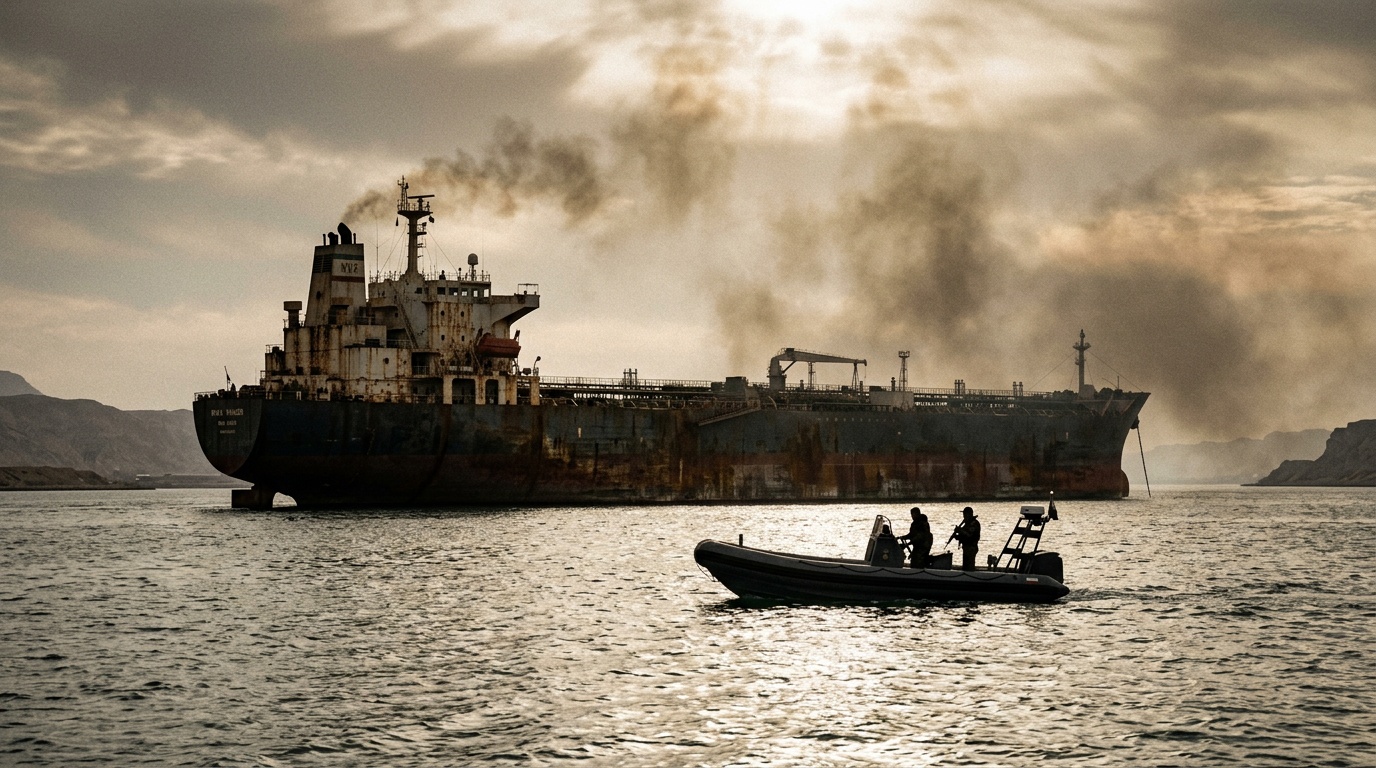
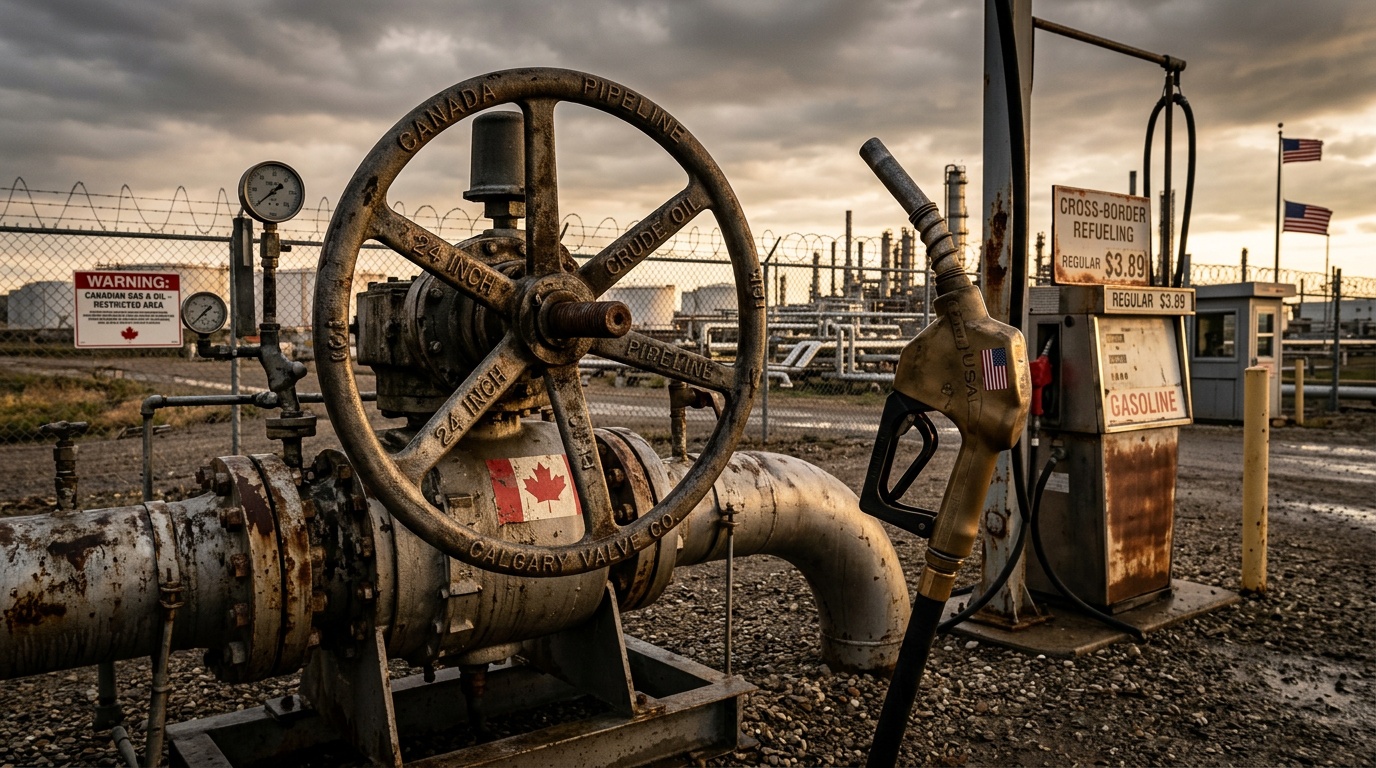
In response, the U.S. moved the 31st Marine Expeditionary Unit, aboard the U.S.S. Tripoli, into the region. The deployment includes those 2,500 Marines and another 2,500 sailors. Military officials, speaking anonymously, said the forces are there to help reopen the Strait of Hormuz. That's the narrow passage between the Persian Gulf and the open ocean, through which about a fifth of the world's oil passes. Iran has largely blocked it, turning a map pinprick into a global economic pressure point.
President Donald Trump said "very strong talks" with Iran are ongoing, aiming for a diplomatic solution. But the movement of troops and missiles suggests the fighting is intensifying. Secretary of State Marco Rubio added a note of (relative) optimism on Friday, saying the U.S. does not need ground troops to achieve its objectives and predicting the war could wrap up in weeks, not months.
The situation has reignited a debate about the U.S. military footprint in the Middle East. Anthony Scaramucci recently argued that the U.S. should reconsider its presence there. He pointed to reports of extensive Iranian damage to American facilities, suggesting that permanent bases have become costly vulnerabilities. He called the current setup a "forever-basing empire" and a $1 trillion liability, advocating instead for a "lean, naval, over-the-horizon posture" to better protect forces. His comments cited reporting that 17 U.S. sites in Kuwait, Qatar, Bahrain, and Saudi Arabia were hit, with many troops now operating remotely after repeated strikes made some bases unusable.
The economic stakes are enormous. Economist Nouriel Roubini warned that further escalation could disrupt oil flows through the Strait of Hormuz, leading to severe global economic consequences, including stagflation—that nasty mix of high inflation and stagnant growth.
Meanwhile, the geopolitical chess game continues on another board. The U.S. has also tightened its control over energy supplies to China. This move has disrupted up to 18% of China's oil imports from Iran and Venezuela, exposing a key vulnerability for Beijing and reinforcing U.S. leverage in global energy and trade negotiations. It's a reminder that in modern conflict, the battles are fought with missiles, Marines, and market access.