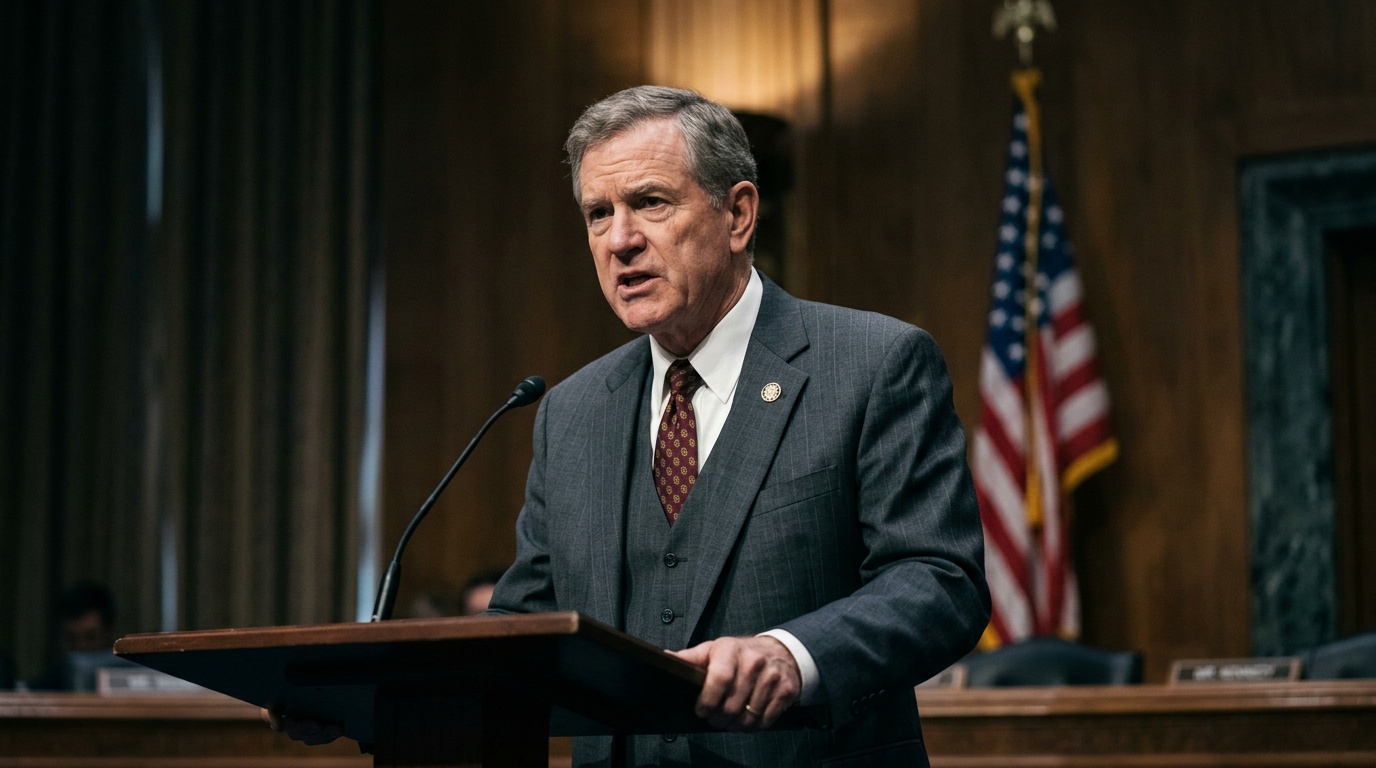
Here's a Washington funding fight that's about more than just dollars and cents. On Friday, Senate Democratic Leader Chuck Schumer put his foot down on a proposed 60-day continuing resolution—the kind of temporary funding patch that keeps the government's lights on at current levels. He said it has "no path forward" in the Senate. Why? Because in his view, it would essentially cement policies Democrats are against, giving them no leverage to push for changes.
In a post on X, Schumer was pretty direct about it: a "60 day CR" preserving the "status quo" would be "dead on arrival" and that Republicans already know the Senate math doesn't work for them. Think of it as Schumer saying, "We're not just going to kick the can down the road if it means we're stuck with policies we don't like."
But he did leave a door open—sort of. Schumer said Democrats are willing to keep "critical Homeland Security functions" funded. The catch? He drew a line at what he called a "blank check" for Trump's immigration enforcement without any modifications. So it's not that they won't fund anything; it's that they want some strings attached, particularly around how immigration laws are carried out.
Schumer's Broader Argument: Politics vs. Policy
This isn't just about one funding bill. Schumer's stance fits into a bigger argument he's been making about how Washington works—or doesn't. He's accused Trump of seeking political advantage when controversy takes over policy debates. In another message, Schumer argued that "the cruelty is the point," linking that idea to issues he says Trump would rather not highlight, like gasoline costs, the Iran conflict, and immigration enforcement disputes.
That criticism got sharper after Trump posted on Truth Social about former special counsel Robert Mueller, who recently died: "Robert Mueller just died. Good, Im glad hes dead. He can no longer hurt innocent people! President DONALD J. TRUMP." Schumer responded with a memorial note, calling Mueller a U.S. Marine and longtime public servant who should "rest in peace." It's a stark contrast in tone—one that Schumer seems to be using to underscore what he sees as divisive political tactics.
Leverage and Flashpoints: From Immigration to International Tensions
Schumer has framed this 60-day CR fight as leverage for reforms. The idea is that Democrats can support basic operations while still demanding limits on how enforcement happens. This posture lands amid wider clashes with Trump on national security and economic pressure points, where Schumer has criticized what he calls attention-grabbing messaging that leaves real problems unsolved.
One example is the Strait of Hormuz, a crucial route for global oil shipments. Schumer has faulted Trump's public comments as tensions tied to the U.S.-Israel war with Iran raised concerns about energy markets and maritime security. Trump said he hoped China would help with Hormuz security and mentioned delaying a planned China trip by "a month or so" to stay in Washington during the Iran operation. Meanwhile, former national security adviser John Bolton criticized Trump's approach, writing on X that the "proper political preparation" for the war hadn't been done and later saying on CNN that "theres a real problem here" when asked about Trump's push for NATO countries to send ships to Hormuz.
The Human Cost: TSA Workers Caught in the Shutdown Crossfire
All this political maneuvering has real-world consequences. President Trump declared an emergency over the ongoing Democrat-led Department of Homeland Security shutdown, directing immediate payment to over 60,000 Transportation Security Administration employees, including about 50,000 frontline officers, who have been working without pay. The shutdown, now in its sixth week, has pushed TSA workers into severe financial hardship, leading nearly 500 officers to resign and causing record-high sick call rates.
Trump's move to address the TSA's financial strain highlights the ongoing tensions with Democrats, who have refused to fund DHS unless enforcement of federal immigration law is halted. This standoff shows the tricky balancing act Schumer faces: negotiating funding that touches on both national security and hot-button immigration issues.
Warning: Don't Let Distractions Derail Domestic Priorities
Schumer has also warned that these high-stakes disputes could squeeze out focus on domestic policy. He's pointed out that millions of Americans could face a healthcare crunch if Republicans block efforts to stabilize costs. According to his X posts, Schumer's argument about not feeding distraction politics runs alongside his funding stance—linking provocative moves to the risk that Congress loses sight of everyday pressures like healthcare and the economy.
So what's the bottom line? Schumer is using the 60-day CR as a bargaining chip, refusing to accept a short-term fix that doesn't address Democratic concerns, especially around immigration. It's a play that mixes policy with politics, set against a backdrop of international tensions and a shutdown that's hitting federal workers hard. As Schumer sees it, this isn't just about keeping the government open—it's about what kind of policies get locked in place, and whether political theater drowns out the issues that affect people's daily lives.