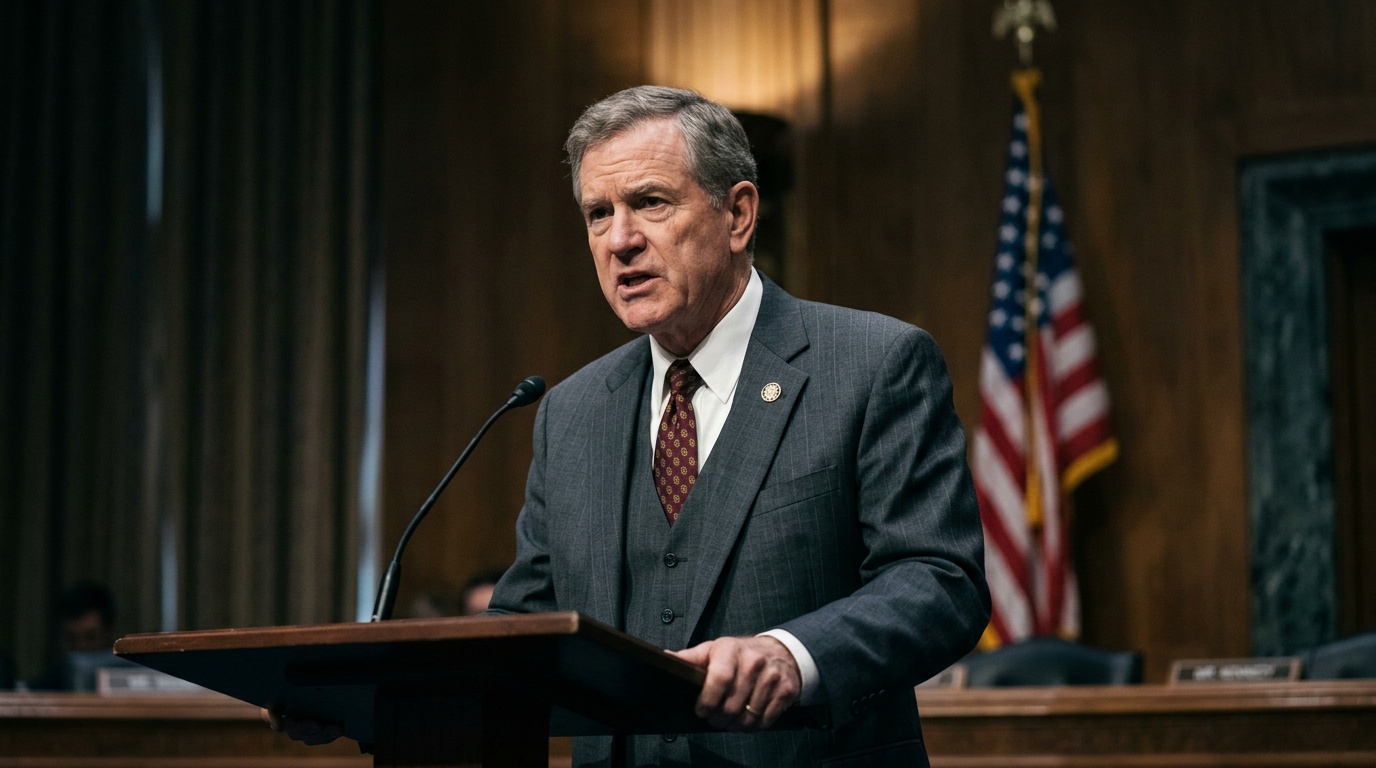
So here's a thing that happened at a financial summit in Miami: former President Donald Trump told the crowd that Cuba would be the United States' next target after ongoing military operations in Iran. Then he immediately followed up with, "Please pretend I didn't say that."
It's the kind of off-the-cuff remark that makes you wonder—was this a genuine policy preview, a trial balloon, or just Trump being Trump? Either way, it happened at the Future Investment Initiative summit on Friday, where Trump was speaking about foreign policy.
"Cuba's next," he said, before pivoting to domestic politics with, "Despite the radical left Democrat shutdown, we will continue to defend the sovereign borders."
This isn't the first time Trump has floated the Cuba idea. He's previously suggested a "friendly takeover" of the island nation, calling it "a big honor." Back in January, he signed an executive order targeting tariffs on any country supplying Cuba with oil, framing it as part of a broader pressure campaign against Havana.
Those earlier comments didn't go unnoticed internationally. Russia responded by reaffirming its support for Havana and condemning what it described as blatant interference in the internal affairs of a sovereign state.
At the Miami event, Trump also used the platform to tout U.S. military gains in Iran and the January capture of former Venezuelan leader Nicolas Maduro, signaling Cuba could indeed be next in what appears to be Washington's regional offensive strategy.