Here's a sobering thought for your Friday: the guy who famously predicted the 2008 financial meltdown is now warning about a potential geopolitical powder keg. Economist Nouriel Roubini, the original "Dr. Doom," suggested that President Donald Trump might be more inclined to turn up the heat on Iran than to find a peaceful exit ramp.
Speaking at a forum in Italy, Roubini dismissed the market's hopeful chatter about a ceasefire. The logic, according to him, is brutally political. "If he chickens out right now, he loses credibility. He lost the war," Roubini told CNBC. In his view, seeking peace could be seen as a sign of weakness, potentially damaging Trump's standing with voters ahead of the election. So, the path of least resistance for a president focused on winning might actually be more fighting.
Roubini laid out what he sees as a stark, binary choice with enormous stakes. On one side, you have escalation. This could mean targeting critical Iranian assets and ramping up military pressure. If it works, it could deliver a clear geopolitical victory by weakening Iran's leadership. "My argument is that, counterintuitively, he's going to decide to escalate," Roubini said.
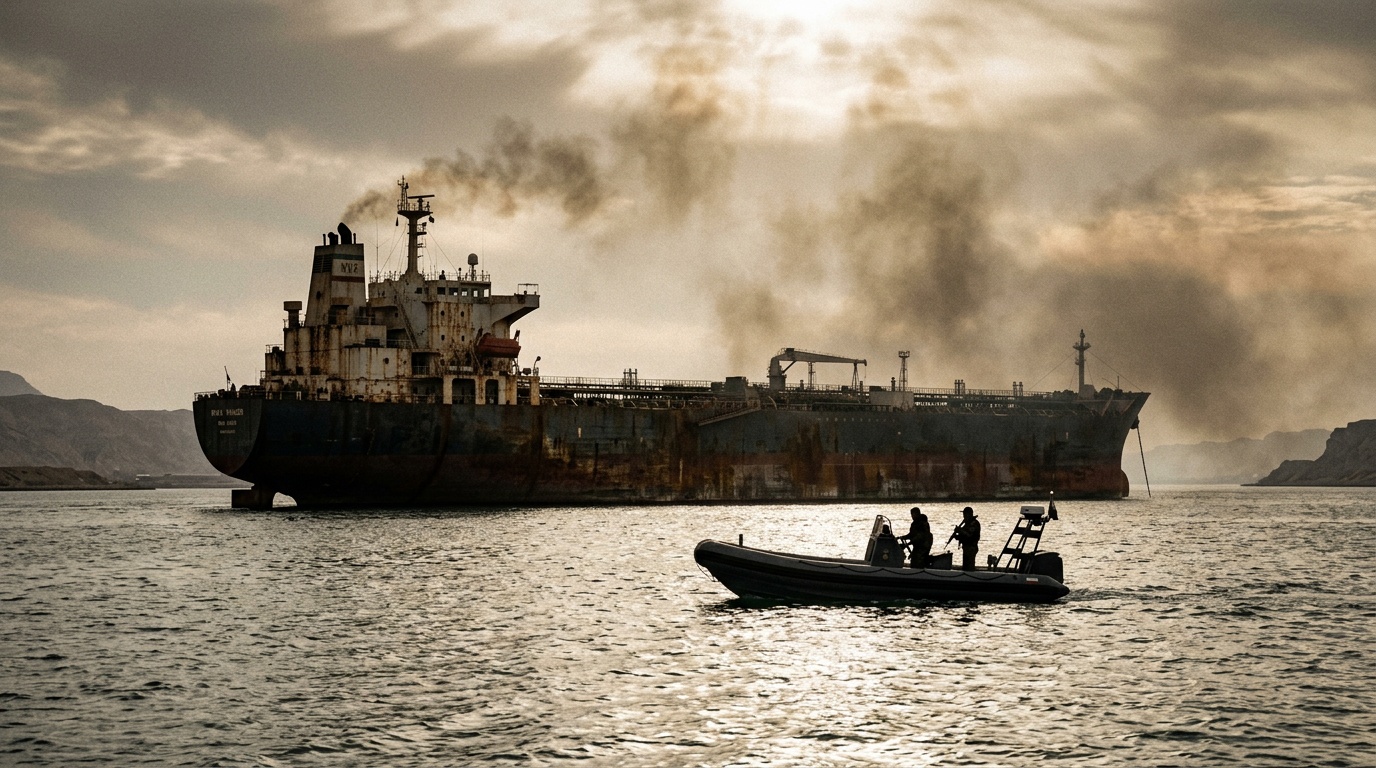
On the other side is the nightmare scenario. If escalation fails, the retaliation could be severe. Roubini pointed to the risk of Iran disrupting the world's oil lifeline—the Strait of Hormuz—or striking energy infrastructure in the Gulf. That kind of supply shock, he warned, could throw the global economy back into a 1970s-style stagflation trap, where high inflation meets stagnant growth. "If you escalate and you don't win, you end up with 1970s stagflation," he said.
The oil market is already twitchy. As of the report, crude oil futures were at $101.18 per barrel. RBOB gasoline futures gained 4.97% to $3.2859 per gallon, and ULSD heating oil futures surged 7.36% to $4.5878 per gallon. Natural gas futures also moved up 2.73% to $3.081 per MMBtu.
Meanwhile, stock futures were painting a red picture. Dow futures fell 920 points (1.99%), S&P 500 futures dropped 127 points (1.95%), and Nasdaq futures declined 540 points (2.27%).
Roubini's base case might be for slower growth rather than a full-blown crisis, but he has a pointed question for investors: "The question is whether the market is pricing in the tail risk." In other words, are we too complacent? Is the potential for a prolonged conflict and its economic shock fully baked into stock and commodity prices? He seems to think maybe not.
Adding another layer to the story, Senator Marco Rubio offered a different, somewhat more optimistic timeline. After meeting with G7 counterparts, he told reporters that U.S. military operations are expected to wrap up in "weeks, not months," and expressed confidence that objectives could be met without sending in ground troops.
This all comes as President Trump extended a temporary halt on attacks against energy facilities by another 10 days, pushing the pause's expiration to April 6 to allow more time for talks. So, the clock is ticking, and according to Roubini, the president faces a choice where the politically safer move might be the economically riskier one. It's a classic high-wire act, and the economist who called the last big crash is watching closely, wondering if markets are prepared for a fall.