Here's a bit of news that might calm some nerves, at least on one front. U.S. Secretary of State Marco Rubio says the military operations against Iran are on track to wrap up relatively soon. We're talking "weeks, not months," according to him.
After meeting with G7 counterparts in France, Rubio told reporters on Friday: "We are on or ahead of schedule on that operation and expect to conclude it at the appropriate time here in a matter of weeks, not months, and the progress is going very well."
He also made a point that should be reassuring to anyone worried about a major escalation: "We can achieve all of our objectives without ground troops." The troop deployments that have happened, he explained, are really about giving the president "maximum optionality" in case something unexpected pops up. It's a way to keep options on the table without necessarily using them.
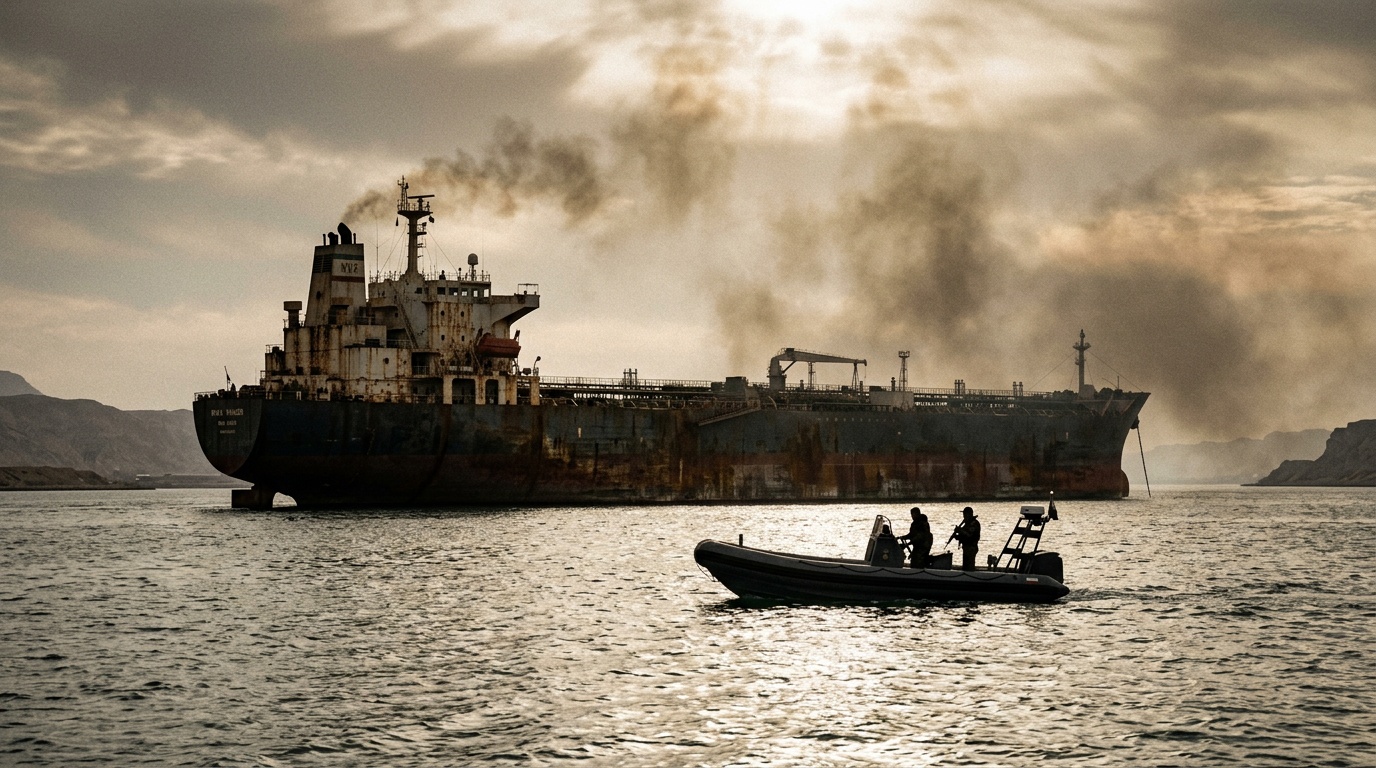
But here's the catch, and it's a big one for global trade. Rubio also brought up a post-conflict headache during the meetings. He suggested that even after the fighting stops, Iran might try to impose shipping tolls on vessels passing through the Strait of Hormuz. That's the narrow waterway through which about a fifth of the world's oil passes. His solution? The G7 and Asian countries that benefit from that trade should probably chip in to help keep the passage secure and free. It's a classic "you use it, you help pay for it" argument.
According to reports, the U.S. has already sent two groups of Marines to the region, with the first expected by the end of March. That move had understandably fueled concerns that what started with U.S. and Israeli airstrikes back on Feb. 28 could turn into a long, messy ground war. Rubio's comments seem aimed directly at tamping down those fears.