It was a week that promised a sigh of relief and instead delivered a fresh gulp of anxiety for Wall Street.
It all started with a glimmer of hope. On Monday, President Donald Trump declared that the U.S. and Iran had shared "good and productive conversations," hinting at a real path toward a ceasefire. Oil prices, the market's primary barometer for Middle East tension, promptly fell to around $85 a barrel. Stocks cheered. It looked like maybe, just maybe, things were cooling off.
Then reality checked back in. Washington sent over a 15-point plan to end the conflict. Tehran's response was essentially a polite but firm 'no, thank you.' They rejected direct talks and countered with a five-point proposal of their own, demanding war reparations and—critically—sovereign control over the Strait of Hormuz. For Washington, that last bit was an immediate non-starter. The Strait is one of the world's most vital oil chokepoints.
The brief exhale turned right back into a held breath. By Thursday, Trump tried a different tack, announcing a 10-day pause on strikes against Iranian energy infrastructure, giving Tehran until April 6 to come to the negotiating table. Iran's answer was unchanged: the Strait stays closed, and any unauthorized vessel will face consequences. Adding to the tension, reports surfaced that the Pentagon is now weighing sending up to 10,000 more ground troops to the region.
For financial markets, this diplomatic stalemate was a cold shower. By Friday's close, West Texas Intermediate crude had clawed its way back to $99 per barrel—that's a staggering 40% above where it was before the conflict began. The bond market felt the heat, too, with the yield on the 10-year Treasury note climbing to 4.47%, flirting with its highest level in eight months.
This sudden reversal in the oil market has completely upended interest rate expectations. Traders are now pricing in roughly a 50% probability that the Federal Reserve will be forced to raise rates by December. That's a stunning reversal from the start of the year, when the consensus was leaning toward two rate cuts. It turns out $100 oil is a powerful inflation signal that the Fed can't ignore.
Unsurprisingly, stocks are feeling the pressure. The tech-heavy Nasdaq 100 index—which you can track through the Invesco QQQ Trust (QQQ)—is now down more than 6% for the month and has officially crossed into correction territory, down more than 10% from its January peak. The Dow and S&P 500 aren't far behind, nursing significant losses.
While most of the market is in the red, one sector is absolutely thriving: energy. It's the only major sector posting gains this month and is currently riding a remarkable 14-week winning streak. When oil prices spike, energy companies profit. It's that simple.
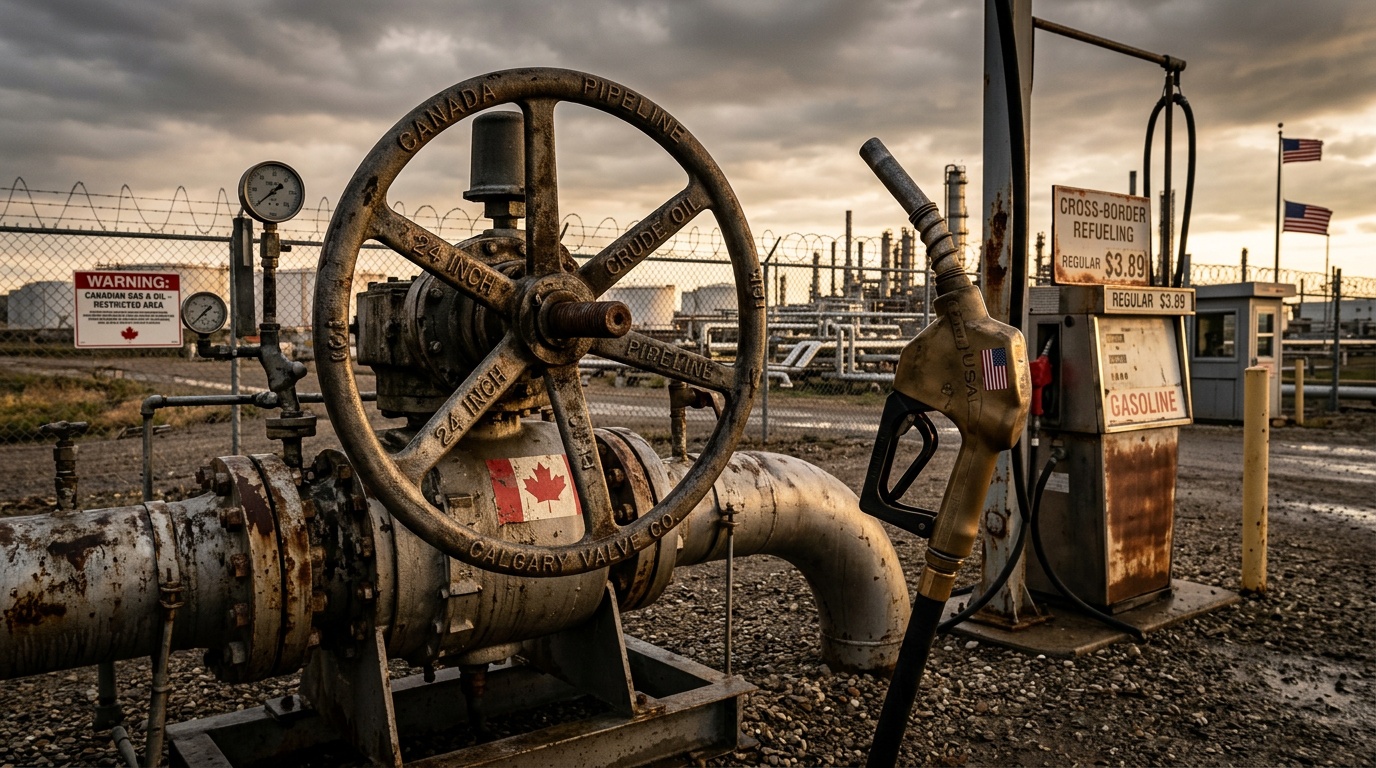
The real pain, however, is being felt at the gas pump and in the minds of American consumers. According to AAA, the national average for regular unleaded gasoline hit $3.978 on Friday—a brutal 33.4% increase in just one month. Diesel crossed $5.38 nationally and topped a jaw-dropping $7 per gallon in California.
The University of Michigan's final Consumer Sentiment report for March, released Friday, quantified the damage. The headline index fell to 53.3, down 5.8% from February and 6.5% lower than a year ago. Expectations for the future dropped even more sharply, down 8.7% month-over-month to 51.7.
Perhaps most alarming for the Federal Reserve is the direct impact on inflation psychology. Consumers' year-ahead inflation expectations jumped from 3.4% to 3.8%. That's the largest one-month increase since April 2025. When people expect higher prices, they tend to act in ways that can make those expectations a reality, creating a feedback loop the Fed desperately wants to avoid.
So here we are. The gap between diplomatic maneuvering in Washington and the harsh economic reality for everyday Americans has rarely felt wider. For now, with oil near $100, stocks correcting, and the Fed's next move suddenly in question, nothing on the horizon suggests that gap is about to narrow anytime soon.