Here's a story about timing, politics, and portfolio management. When members of Congress trade stocks, people watch—especially when the trades line up neatly with world events they help shape. The latest example involves oil, Iran, and some well-timed exits.
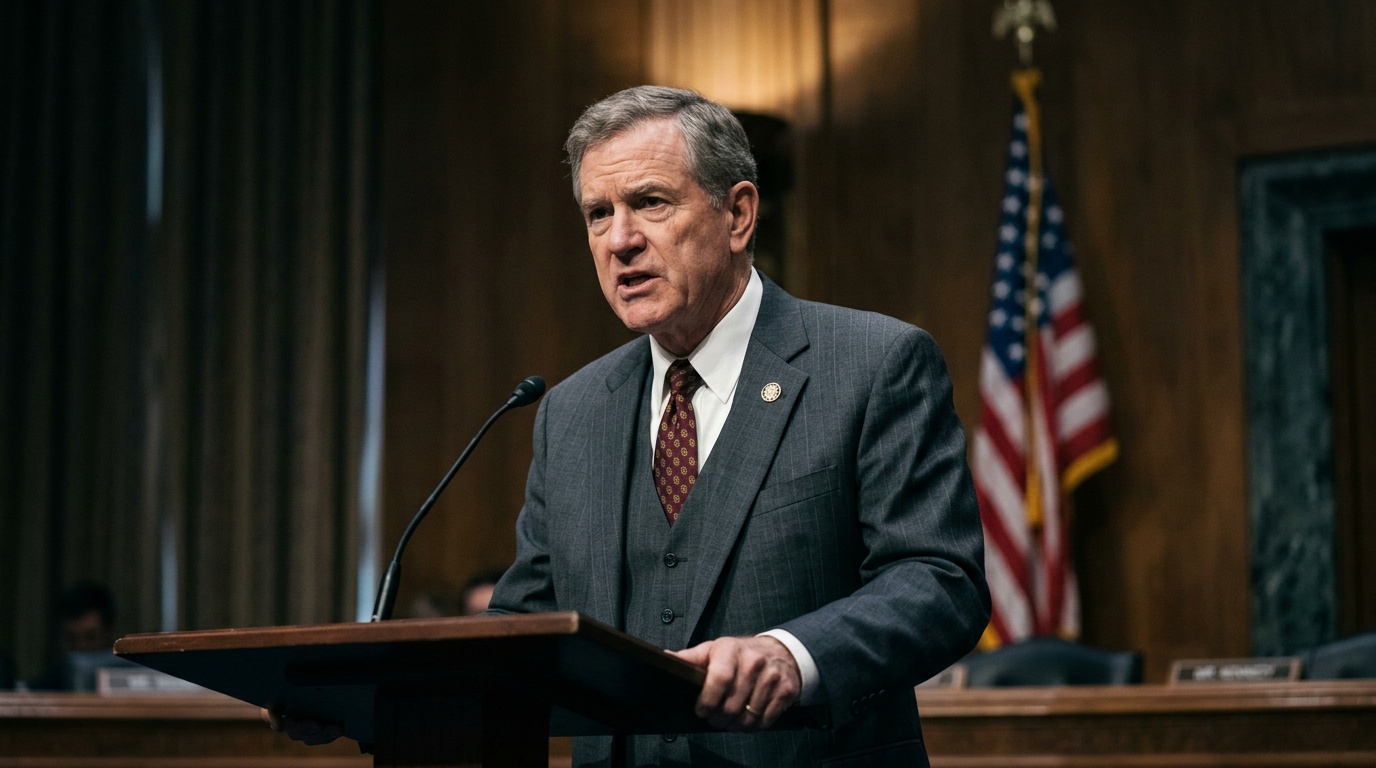
Congressman David Taylor, a Republican from Ohio, recently sold holdings in two major oil companies just as their shares hit record highs. The sales came shortly after U.S. military strikes against Iran sent oil prices—and energy stocks—soaring. And Taylor had been a vocal supporter of those very strikes.
According to financial disclosures tracked by Quiver Quantitative, here's what Taylor sold:
- March 11: Sold between $1,000 and $15,000 worth of Chevron (CVX) stock, and between $1,000 and $15,000 worth of Marathon Petroleum (MPC) stock.
- March 12: Sold another $1,000 to $15,000 in Chevron stock.
Chevron was trading between $186.49 and $191.86 on March 11, and between $191.77 and $198.88 on March 12. Both stocks were at or near all-time highs. Based on closing prices, Chevron shares were up roughly 19.1% to 24.1% at the time of sale, while Marathon Petroleum was up 28.3% to 32.9%.
Taylor joined Congress in 2025 and reported no Chevron purchases and only one small Marathon Petroleum buy that year, suggesting he likely owned both stocks before taking office. We don't know his original purchase prices, but selling at a 20-30% premium isn't a bad day at the office.
Now, here's where it gets interesting. Days before these sales, Taylor publicly backed President Donald Trump's decision to strike Iran.
"I fully support the long-overdue action taken by President Trump, Secretary Hegseth, and our amazing men and women in uniform," Taylor tweeted on March 3.
He argued that Iran has been attacking the U.S. and its allies since 1979 and should never be allowed to develop nuclear weapons. "They have killed thousands of our citizens, both civilians and military, and they are bent on our ultimate destruction," he said. "I applaud President Trump for swiftly and decisively taking action that is well within the bounds of his authority as Commander in Chief."
So, to recap: publicly support military action that boosts oil prices, then sell oil stocks at peak prices. It's the kind of sequence that makes ethics watchdogs raise an eyebrow.
This isn't illegal—members of Congress are allowed to trade stocks, though the 2012 STOCK Act requires transparency and prohibits trading on nonpublic information. But it does feed into the ongoing debate about whether lawmakers should be allowed to trade individual stocks at all, given their access to sensitive information and their role in shaping policy that moves markets.
Taylor's case is a neat illustration of the optics problem. Even if there's no insider trading, the appearance of cashing in on a policy you championed isn't great. It's like cheering for a rainstorm and then selling umbrellas on the corner.
Investors tracking congressional trading activity will likely keep an eye on Taylor's future disclosures. For now, he's locked in some tidy gains, and the rest of us are left wondering how much of policymaking is about principle, and how much is about the portfolio.