The $2 Gas Promise Is Now a $4 Reality: How the Iran War Is Reshaping Fuel Markets and Investor Portfolios
MarketDash
Gasoline and diesel prices have skyrocketed in the wake of the Iran conflict, hitting consumers hard and sending a select group of energy stocks soaring. Here's what the numbers say and who's winning.
Get HF Sinclair Alerts
Weekly insights + SMS alerts
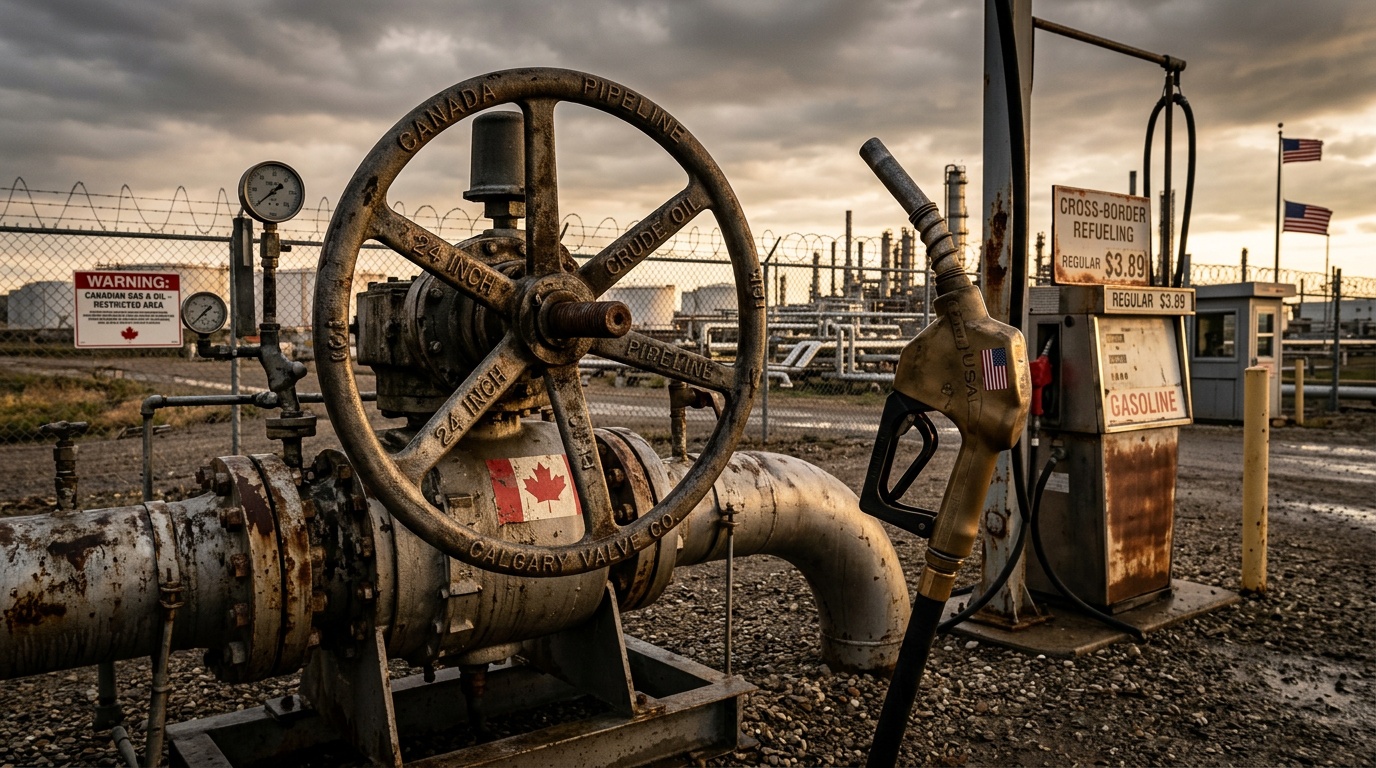
Remember when $2 gasoline was a political talking point? It feels like a lifetime ago. In the span of a single month, the national average for a gallon of regular has jumped from $2.98 to $3.98. That's a 33% increase, and it's officially the fastest monthly acceleration at the pump in years.
But if you think that's bad, wait until you hear about diesel. The national average for diesel has rocketed 43% from $3.76 to $5.38. In California, the situation has moved from painful to almost surreal, with average diesel prices crossing the $7 mark. In the San Francisco Bay Area, you can find stations charging over $7.50. In San Rafael, diesel sits at $7.69—a price that would have been pure fiction just a few months ago. To put it in perspective, regular unleaded in that same city now costs more than what diesel cost nationally just thirty days ago.
Fuel Grade
Current Avg.
One Month Ago
MoM Change
Regular Unleaded
$3.978
$2.982
+33.4%
Mid-Grade
$4.502
$3.495
+28.8%
Premium
$4.866
$3.861
+26.0%
Diesel
$5.380
$3.757
+43.2%
E85
$3.154
$2.332
+35.2%
Let's do the math for a typical driver. A household that drives 15,000 miles a year in a car that gets 25 miles per gallon burns about 600 gallons of gas annually. At last month's average of $2.98, that came to about $1,789 a year. At the new price of $3.98, the annual bill jumps to roughly $2,387. That's an extra $600 appearing out of nowhere in your budget in under four weeks.
For businesses and operators that rely on diesel—think long-haul truckers, farmers, and fleet managers—the math is even more brutal. With national averages at $5.38 and California prices above $7, what was once a cyclical cost of doing business is now a structural crisis for operations with thin margins.
From the Pump to Your Wallet (and the Fed's Dashboard)
This isn't just a story about filling up your tank anymore. It's become a core inflation story, a Federal Reserve story, and a major hit to consumer confidence. The latest data from the University of Michigan's Consumer Sentiment survey makes that painfully clear.
The headline sentiment index fell to 53.3 in March from 56.6 in February. More importantly, the survey captured a sharp spike in what people expect inflation to be. "Year-ahead inflation expectations climbed from 3.4% in February to 3.8% this month," said Joanne Hsu, Director of the Surveys of Consumers at the University of Michigan, calling it "the largest one-month increase since April 2025."
Long-run expectations also edged up. The survey data even isolates the war's effect: interviews conducted after the conflict began showed short-run inflation expectations jumping from around 3% to about 4.3%. When consumers start expecting higher prices, it can become a self-fulfilling prophecy, and that's exactly the kind of data that makes the Federal Reserve very nervous.
The Other Side of the Coin: Five Stocks Riding the Wave
While consumers feel the pinch, a specific slice of the market is having a banner month. A handful of energy producers and refiners are posting returns that would make any growth stock jealous. Here are the five names cashing in on the chaos:
SM Energy leads the pack with a 44% gain month-to-date. As a pure-play producer in the Permian and Midland Basins, it's directly leveraged to the rising price of crude oil.
PBF Energy, one of the largest independent refiners in the U.S., is up 40%. Its gain is a direct play on the "crack spread"—the profit margin between the cost of crude oil it buys and the price of the gasoline and diesel it sells. That spread tends to blow out during supply disruptions like the one we're seeing now.
Murphy Oil and HF Sinclair are each up 28%, while refining giant Marathon Petroleum has gained 26%. Together, they represent a full cross-section of the energy trade, from pulling oil out of the ground to processing it into fuel.
The Investor's Dilemma: Hedge or Head for the Exits?
So what does all this mean if you're managing a portfolio? The Michigan data points toward a classic, if uncomfortable, setup: stagflation. When inflation expectations jump 40 basis points in a single month, the Federal Reserve's path to cutting interest rates gets much narrower. A Fed that feels pinned by inflation likely means interest rates stay higher for longer.
In that environment, energy names can act as a dual-purpose hedge. They offer protection against the inflation that's driving their profits, and they're a bet on continued geopolitical risk that disrupts supply. The big question for traders now is whether this is a fleeting moment. Could a ceasefire or the reopening of a key shipping route like the Strait of Hormuz cause this entire trade to collapse before the summer driving season even begins? Or has $4 gasoline, once a political impossibility, become the new economic floor?