Here's a sobering thought for anyone who buys anything made of plastic, drives a car, or lives in a building: the supply chain mess from the Iran war could take the better part of a year to sort out. That's the warning from Dow Inc. (DOW) chairman and CEO Jim Fitterling.
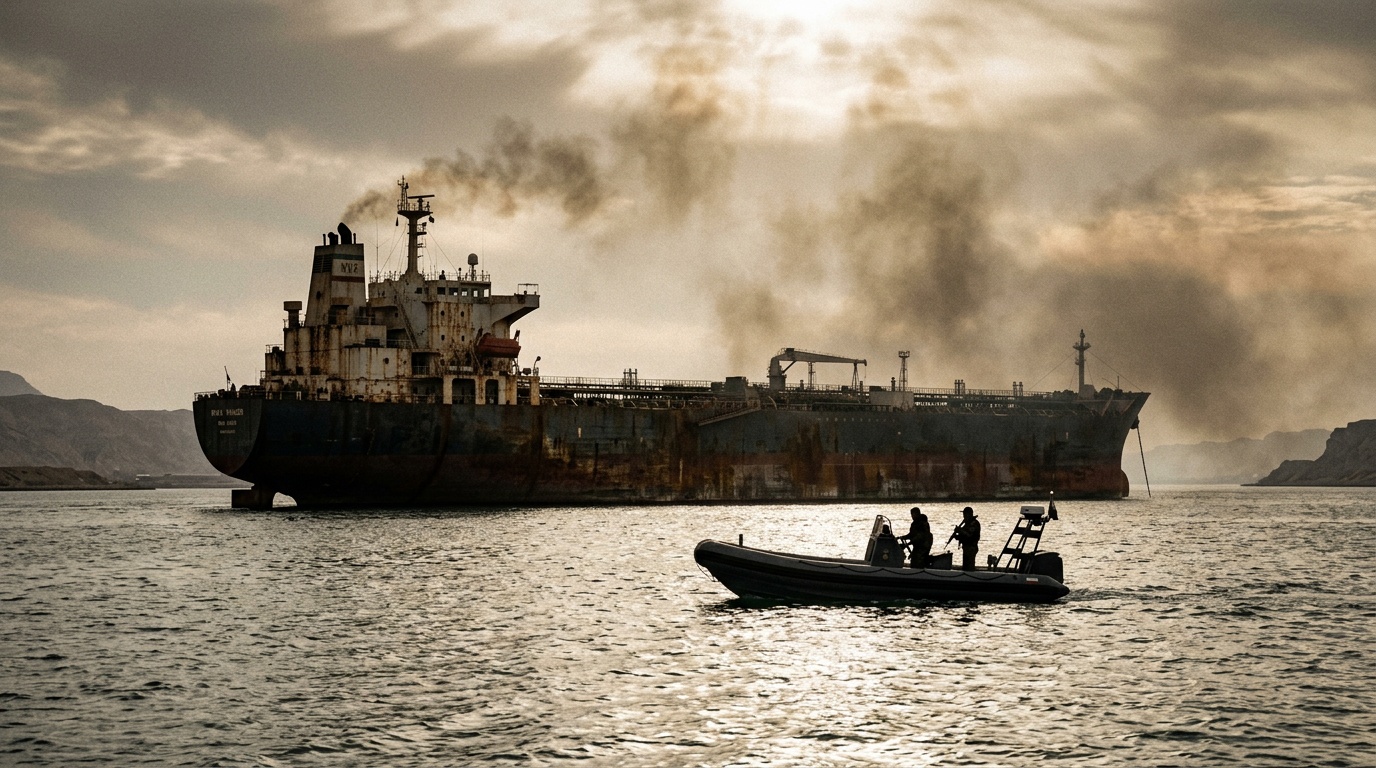
Speaking at an energy conference in Houston, Fitterling laid out a timeline that's grimly familiar. He compared the current disruption to the COVID-era snarls and said, "The die is being cast for the rest of the year." The culprit? The closure of the Strait of Hormuz, which he says is effectively blocking nearly 20% of the world's petrochemical capacity.
The ripple effects are expected to hit everything from construction materials and consumer goods to the automotive and aerospace industries. And the fix won't be quick. Fitterling estimates a 250- to 275-day recovery window once the strait reopens, cautioning it would not be an immediate rebound.
Think of it like a traffic jam after a major accident. Normally, about 150 vessels flow through the strait daily. Fitterling estimates that when it eventually reopens, only about 15 escorted ships will initially get through each day. The queue will be orderly but slow: oil and gas tankers first, then fertilizer, with petrochemicals likely bringing up the rear.