So, here's a thing that happened: a cryptocurrency exchange got a key to the back door of the U.S. banking system. And now a powerful member of Congress wants to know who handed it out and why.
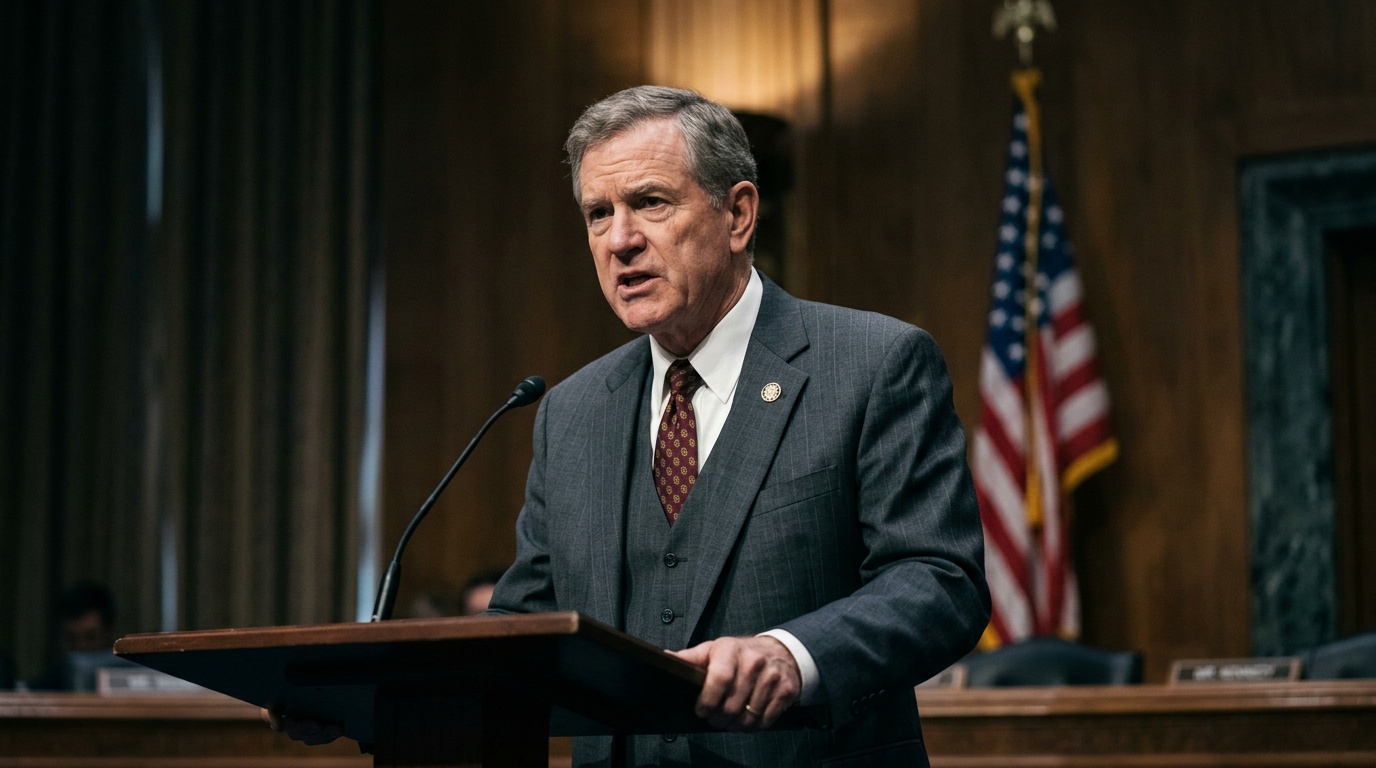
On Thursday, Rep. Maxine Waters (D-Calif.), the leading Democrat on the House Financial Services Committee, sent a letter to Jeff Schmid, the President and CEO of the Federal Reserve Bank of Kansas City. She's seeking a whole lot of details about the bank's recent, and somewhat cryptic, decision to approve a "limited purpose master account" for the crypto exchange Kraken.
This isn't just any banking relationship. This approval is a first in American history for a crypto company. It gives Kraken direct access to Fedwire, the core payment plumbing that thousands of U.S. banks and credit unions use to move trillions of dollars every day. Think of it as the financial system's central nervous system. Kraken just got a direct line into it.
Waters, in her letter, isn't thrilled about the lack of fanfare or explanation. She argues that access to the nation's "critical" financial infrastructure shouldn't be granted without complete transparency, a clear legal justification, and solid assurances that any risks are being managed. The Kansas City Fed's announcement, she pointed out, "did not disclose specific information" about what services Kraken can actually use, hiding behind the confidentiality of business information.
She also zeroed in on the legal weirdness of it all. "The announcement raises questions about the approval because neither statute nor the Federal Reserve Board's Account Access Guidelines refer to a 'limited purpose account' type," Waters stated. In other words, the rulebook doesn't seem to have this play in it. The Kansas City Fed and Kraken didn't immediately return a request for comment.
What This Actually Means for Kraken
Operationally, this is a huge deal for Kraken. Instead of having to route all its U.S. dollar transactions through intermediary banks (which takes time, costs money, and adds another party that could fail), Kraken can now settle them directly on the Fed's own rails. For its big institutional clients and professional traders, that likely means faster deposits and withdrawals with less counterparty risk. It's a major legitimacy and efficiency boost.
But it's not a blank check. The "limited purpose" tag comes with guardrails. According to the announcement, Kraken won't be allowed to earn interest on reserves parked at the Fed, and it definitely won't have access to the Fed's emergency lending facilities (the famous "discount window"). So, it's access to the payment system, but not a full membership with all the perks and backstops of a traditional bank.
This regulatory nod arrives at an interesting time for Kraken's own corporate story. The company recently announced it's delaying its much-anticipated initial public offering (IPO), blaming unfavorable market conditions in the digital asset sector. This follows Kraken's earlier confidential filing for a U.S. IPO, where it was reportedly aiming for a whopping $20 billion valuation after closing an $800 million funding round. The IPO momentum has clearly stalled.
Despite the IPO delay, Kraken remains a giant in the crypto space. It's the second-largest U.S. cryptocurrency exchange by trading volume, handling $970 billion in the past 24 hours, according to data from CoinGecko. That puts it behind only Coinbase (COIN), which saw $1.58 billion. The platform supports trading in over 500 cryptocurrencies, including major ones like Bitcoin (BTC), Ethereum (ETH), and Dogecoin (DOGE).
So, the plot thickens. A crypto giant gets unprecedented access to the heart of the traditional financial system just as its own march to the public markets hits a pause. And a key lawmaker is now asking the Fed to show its work. It's a story about regulatory lines blurring, financial infrastructure evolving, and the ongoing political scrutiny that follows whenever crypto knocks on the door of the establishment.