Marketdash

Trump-Xi Summit Finally Set for May: Trade, Taiwan, and a Closed Oil Chokepoint Are on the Agenda

MarketDash
U.S. President Donald Trump appears on a computer screen, alongside a portrait of Xi Jinping, the Chinese leader and politician, displayed on a screen. — Washington, United States, April 9, 2025
The long-delayed meeting is back on the calendar, but the Iran war has reshaped what's at stake. Here's what both sides are bringing to the table.

Get Market Alerts

Weekly insights + SMS alerts

So, the summit is finally happening. After a delay caused by, you know, a war, President Donald Trump is set to travel to Beijing on May 14 and 15 for a face-to-face with Chinese President Xi Jinping. Xi will return the favor with a visit to Washington later this year, date still to be determined.

"I look very much forward to spending time with President Xi in what will be, I am sure, a Monumental Event," Trump wrote on Truth Social Wednesday. He does have a way with capital letters.

A War That Moved the Goalposts

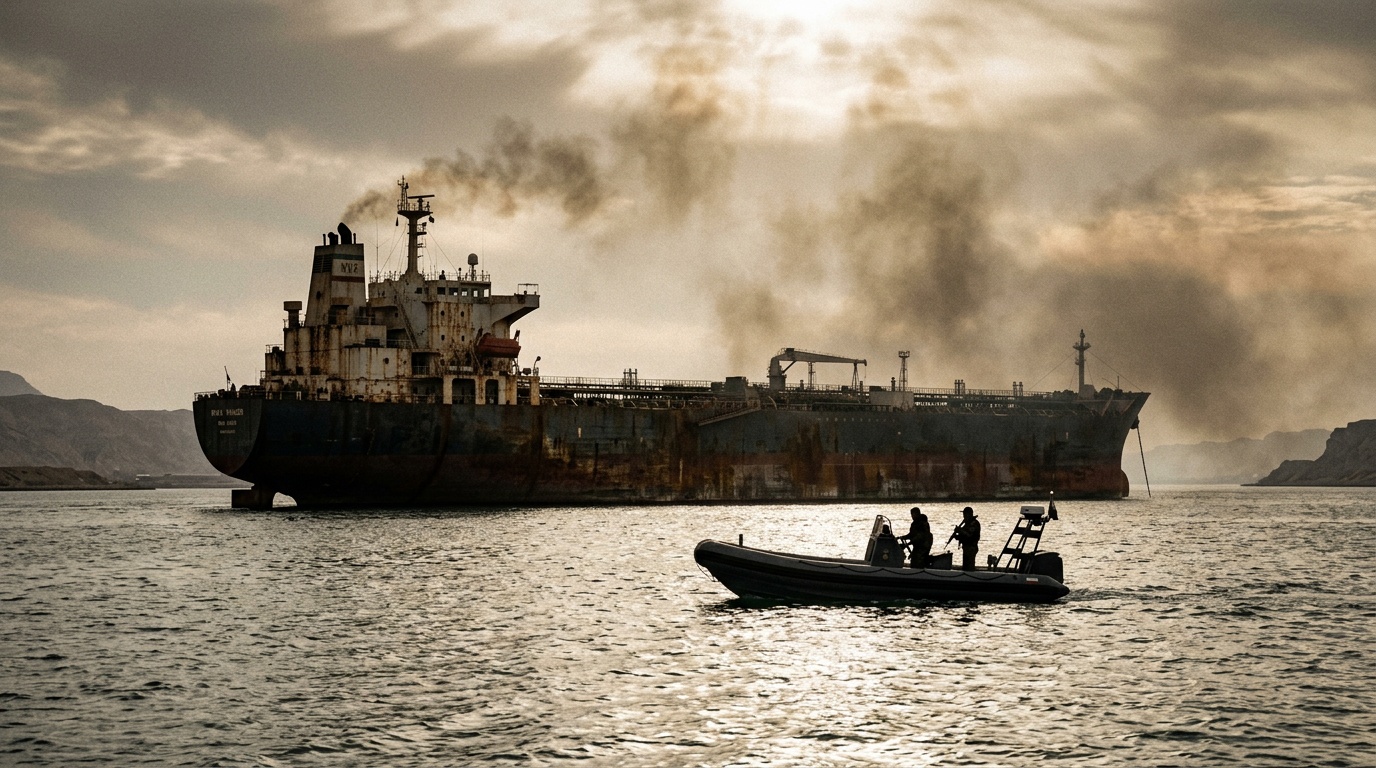
This trip was originally on the books for March 31. That plan got shelved after the U.S. and Israel launched strikes on Iran on February 28, which killed the country's supreme leader, Ayatollah Ali Khamenei. Iran retaliated against Israel and U.S.-allied Gulf states and did something pretty dramatic: it effectively closed the Strait of Hormuz.

If you're not an oil trader, you might not think about the Strait of Hormuz every day. But you should. It's the critical chokepoint for a huge portion of the world's oil and LNG shipments. Closing it triggered a worldwide fuel crisis almost instantly. So, you can understand why Trump might have wanted to stick around the White House for that.

White House press secretary Karoline Leavitt confirmed on Wednesday that Trump and Xi had spoken directly about the delay. She said Xi "understood that it's very important for the president to be here throughout these combat operations right now." That's diplomatic speak for "things got a little hectic."

What the May Dates Really Mean

Setting the summit for mid-May raises an obvious question: does the White House think the Iran war will be wrapped up by then? They're not exactly saying.

When pressed on Wednesday about whether picking those dates implied the conflict would be winding down, Leavitt offered this: "We've always estimated approximately four to six weeks. So you could do the math on that." Not the most concrete timeline, but it gives you an idea of their internal thinking.

Over on the Polygon-based prediction market Polymarket, traders are putting their money where their mouth is. They're currently betting there's a 60% chance of a ceasefire in Iran before Trump visits Xi. About $42,000 has been placed on that bet as of early Thursday. The wisdom of the crowd, for what it's worth, is leaning toward a resolution.

Get Market Alerts

Weekly insights + SMS (optional)

Goodwill Deals Are Likely; Hard Bargains, Not So Much

This will be the first time Trump and Xi have sat down together since their meeting at the APEC summit in South Korea last October. Back then, they agreed on a trade truce. That truce now looks... fragile.

A big reason for that fragility is a February Supreme Court ruling that curtailed Trump's power to impose tariffs. That stripped him of a key negotiating lever with America's third-largest trading partner. Since then, he's had to rely on a stopgap 10% across-the-board levy using a different legal authority. It's not the same hammer he used to wield.

So, what can we expect from the summit? Both sides are likely to reach some goodwill agreements, probably on things like agriculture and aircraft parts. It's the diplomatic equivalent of bringing a nice bottle of wine to dinner.

But the harder stuff? Don't hold your breath. Little progress is promised on the thorny issues like export controls, rare earths (which China dominates), or setting up a bilateral trade enforcement mechanism. Those are the main courses, and neither side seems ready to take a big bite.

One hard issue that will definitely be on the menu: Taiwan. Trump has significantly expanded U.S. arms sales to the island during his second term, which has seriously angered Beijing. China claims Taiwan as its own territory, and it views these sales as a major provocation. This isn't a side dish; it's a central tension.

The Hormuz Problem Beijing Would Rather Not Talk About

Here's where the Iran war makes things really awkward for China heading into this summit. China is the world's largest oil importer. It brought in roughly 12 million barrels per day in the first two months of 2026. The closure of the Strait of Hormuz isn't just a geopolitical headache; it's a direct and massive economic threat to Beijing.

Trump has reportedly asked China specifically to help pressure Tehran into reopening the waterway. It's a logical ask—China has economic ties with Iran and a huge stake in getting the oil flowing again.

Beijing's response so far? Radio silence. They have not responded directly to the request. This issue is like the elephant in the room, or maybe the oil tanker stuck in the strait. It's going to hang over the entire visit, an unspoken problem that both leaders know is critical but neither may want to tackle head-on.

So, the stage is set for May. A monumental event, as Trump put it. They'll smile for the cameras, sign some deals on soybeans and plane parts, and talk sternly about Taiwan. But the real story might be the thing they're not saying: what, if anything, can be done about a closed strait that's choking the global economy and pinching China most of all.


Trump-Xi Summit Finally Set for May: Trade, Taiwan, and a Closed Oil Chokepoint Are on the Agenda

MarketDash
U.S. President Donald Trump appears on a computer screen, alongside a portrait of Xi Jinping, the Chinese leader and politician, displayed on a screen. — Washington, United States, April 9, 2025
The long-delayed meeting is back on the calendar, but the Iran war has reshaped what's at stake. Here's what both sides are bringing to the table.

Get Market Alerts

Weekly insights + SMS alerts

So, the summit is finally happening. After a delay caused by, you know, a war, President Donald Trump is set to travel to Beijing on May 14 and 15 for a face-to-face with Chinese President Xi Jinping. Xi will return the favor with a visit to Washington later this year, date still to be determined.

"I look very much forward to spending time with President Xi in what will be, I am sure, a Monumental Event," Trump wrote on Truth Social Wednesday. He does have a way with capital letters.

A War That Moved the Goalposts

This trip was originally on the books for March 31. That plan got shelved after the U.S. and Israel launched strikes on Iran on February 28, which killed the country's supreme leader, Ayatollah Ali Khamenei. Iran retaliated against Israel and U.S.-allied Gulf states and did something pretty dramatic: it effectively closed the Strait of Hormuz.

If you're not an oil trader, you might not think about the Strait of Hormuz every day. But you should. It's the critical chokepoint for a huge portion of the world's oil and LNG shipments. Closing it triggered a worldwide fuel crisis almost instantly. So, you can understand why Trump might have wanted to stick around the White House for that.

White House press secretary Karoline Leavitt confirmed on Wednesday that Trump and Xi had spoken directly about the delay. She said Xi "understood that it's very important for the president to be here throughout these combat operations right now." That's diplomatic speak for "things got a little hectic."

What the May Dates Really Mean

Setting the summit for mid-May raises an obvious question: does the White House think the Iran war will be wrapped up by then? They're not exactly saying.

When pressed on Wednesday about whether picking those dates implied the conflict would be winding down, Leavitt offered this: "We've always estimated approximately four to six weeks. So you could do the math on that." Not the most concrete timeline, but it gives you an idea of their internal thinking.

Over on the Polygon-based prediction market Polymarket, traders are putting their money where their mouth is. They're currently betting there's a 60% chance of a ceasefire in Iran before Trump visits Xi. About $42,000 has been placed on that bet as of early Thursday. The wisdom of the crowd, for what it's worth, is leaning toward a resolution.

Get Market Alerts

Weekly insights + SMS (optional)

Goodwill Deals Are Likely; Hard Bargains, Not So Much

This will be the first time Trump and Xi have sat down together since their meeting at the APEC summit in South Korea last October. Back then, they agreed on a trade truce. That truce now looks... fragile.

A big reason for that fragility is a February Supreme Court ruling that curtailed Trump's power to impose tariffs. That stripped him of a key negotiating lever with America's third-largest trading partner. Since then, he's had to rely on a stopgap 10% across-the-board levy using a different legal authority. It's not the same hammer he used to wield.

So, what can we expect from the summit? Both sides are likely to reach some goodwill agreements, probably on things like agriculture and aircraft parts. It's the diplomatic equivalent of bringing a nice bottle of wine to dinner.

But the harder stuff? Don't hold your breath. Little progress is promised on the thorny issues like export controls, rare earths (which China dominates), or setting up a bilateral trade enforcement mechanism. Those are the main courses, and neither side seems ready to take a big bite.

One hard issue that will definitely be on the menu: Taiwan. Trump has significantly expanded U.S. arms sales to the island during his second term, which has seriously angered Beijing. China claims Taiwan as its own territory, and it views these sales as a major provocation. This isn't a side dish; it's a central tension.

The Hormuz Problem Beijing Would Rather Not Talk About

Here's where the Iran war makes things really awkward for China heading into this summit. China is the world's largest oil importer. It brought in roughly 12 million barrels per day in the first two months of 2026. The closure of the Strait of Hormuz isn't just a geopolitical headache; it's a direct and massive economic threat to Beijing.

Trump has reportedly asked China specifically to help pressure Tehran into reopening the waterway. It's a logical ask—China has economic ties with Iran and a huge stake in getting the oil flowing again.

Beijing's response so far? Radio silence. They have not responded directly to the request. This issue is like the elephant in the room, or maybe the oil tanker stuck in the strait. It's going to hang over the entire visit, an unspoken problem that both leaders know is critical but neither may want to tackle head-on.

So, the stage is set for May. A monumental event, as Trump put it. They'll smile for the cameras, sign some deals on soybeans and plane parts, and talk sternly about Taiwan. But the real story might be the thing they're not saying: what, if anything, can be done about a closed strait that's choking the global economy and pinching China most of all.