Here's a story that's both entirely predictable and completely avoidable, yet here we are. Millions of Americans are getting priced out of their health insurance. The reason? Enhanced subsidies tied to the Affordable Care Act have expired, and premiums are doing what premiums do when the financial rug gets pulled out: they're going up. A lot.
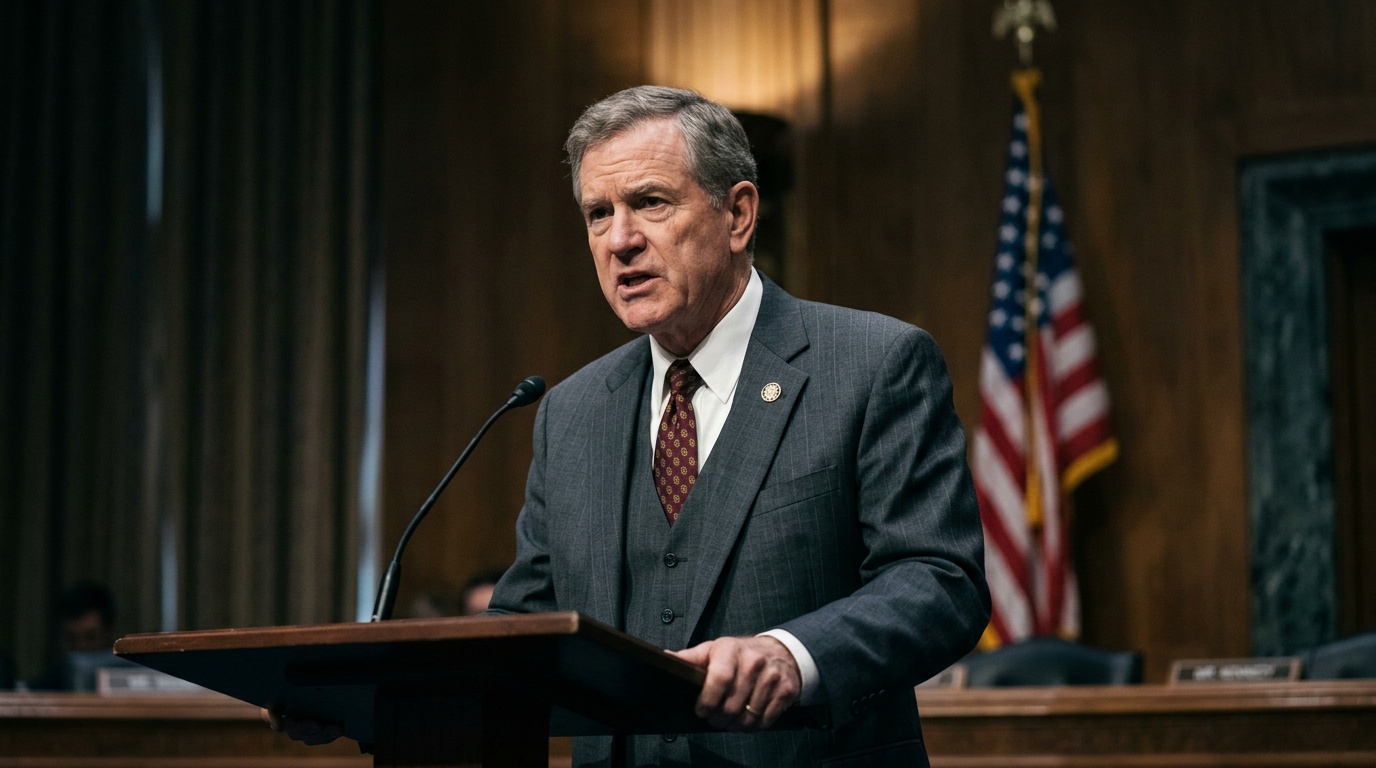
Senator Mark Kelly (D-Ariz.) took to social media to point out the obvious, with a side of political blame. "Trump and Republicans knew what would happen if they let health care premiums skyrocket: Americans wouldn't be able to afford it and families would lose their insurance," Kelly wrote. "Now it's happening, and they still have no solution." He ended with a call to "keep fighting to bring down the cost of health care."
It's not just political rhetoric. Kelly pointed to a Wall Street Journal report that puts numbers to the pain. The report confirms that nearly 10% of people who were enrolled in ACA plans last year have since dropped their coverage. The math is simple: higher premiums plus stagnant wages equals unaffordable insurance. For many, that equation ends with going without.
This moment throws the perennial debate over healthcare funding into sharp relief. Former President Barack Obama recently called the ACA's passage "one of my proudest moments as president," citing its protections for people with pre-existing conditions and the expansion of Medicaid. He also acknowledged the unfinished work of making care truly affordable for everyone—a task that seems to be moving backward at the moment.
Meanwhile, the conversation about where America spends its money is getting louder. Senator Elizabeth Warren (D-Mass.) has vowed to block a new $50 billion war funding request, suggesting the money would be better spent on healthcare. Senator Chris Murphy (D-Conn.) framed it as a stark choice, arguing that a potential conflict "could cost more than extending ACA subsidies." He suggested most Americans would likely prefer spending on coverage over another overseas engagement, especially after early costs for related operations reportedly exceeded $11 billion.
So, what you have is a classic policy collision. On one side, a clear, domestic consequence: people losing health insurance because a temporary financial boost ended. On the other, the eternal pull of international commitments and military spending. In the middle are millions of Americans now figuring out how to navigate a system that just got more expensive, while politicians argue over who saw it coming and what to do next. The most frustrating part? Everyone involved probably did see it coming. The subsidy expiry date was on the calendar. Now the bill has arrived, and it's being paid by people who can least afford it.