Marketdash

Russia's Fertilizer Freeze: A Sanctions Standoff That Could Starve Global Crops

MarketDash
Russia's halt on ammonium nitrate exports is more than a seasonal move—it's economic leverage, and a top economist warns the West must choose between sanctions and food security.

Get Market Alerts

Weekly insights + SMS alerts

Here's a classic geopolitical squeeze play: Russia says it needs to keep its fertilizer at home for spring planting, so it's suspending ammonium nitrate export licenses for a month. But when you control up to 40% of the global trade in something, a "domestic need" announcement starts to look a lot like a weapon. Economist Steve Hanke isn't buying the gardening story—he sees it as a clear message to the West: back off on sanctions, or the world's crops might go hungry.

Think about the leverage here. Ammonium nitrate isn't a luxury good; it's what turns seeds into food. When Russia—a fertilizer superpower—decides to turn off the tap, even temporarily, agricultural supply chains from Iowa to India feel the pinch immediately. Hanke put it bluntly in a social media post, sharing a list of the biggest importers and stating, "sanctions will have to give or fertilizer won't flow." It's not a request; it's an ultimatum wrapped in a bureaucratic export freeze.

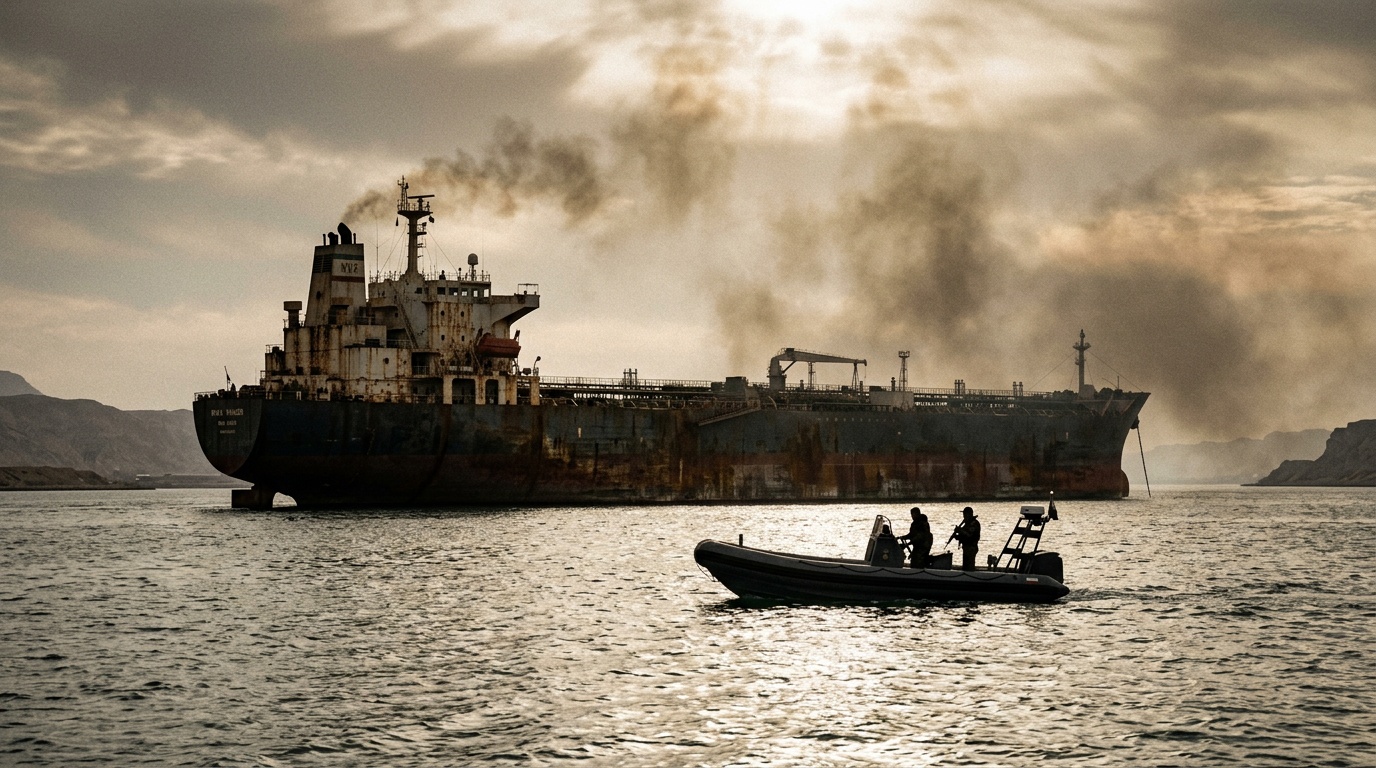
And here's the thing: the fertilizer market was already on edge. The global supply chain for this stuff is remarkably fragile. A key shipping route, the Strait of Hormuz, handles about a quarter of the world's ammonia trade, and any disruption there sends shockwaves. Then there's the direct targeting of Russian production itself. A Ukrainian drone strike last month took out a major plant, knocking about 11% of Russia's ammonium nitrate output offline until at least May. Another producer has faced repeated attacks. This isn't just about export licenses; it's about whether the factories can even make the stuff.

The result? Prices are soaring. As of March 2026, average fertilizer prices are up 27%, with nitrogen-based fertilizers like ammonium nitrate seeing the sharpest jumps. For farmers in the U.S., Latin America, and Europe, this isn't an abstract economic indicator—it's a direct hit to their bottom line right as they're trying to plant for the season. Higher input costs mean either lower profits or higher food prices for everyone else.

Now, let's talk about the sanctions paradox. Officially, the West has tried to be careful. The U.S. Treasury has explicitly said Russian fertilizer exports are not prohibited. The formal sanctions, imposed after the 2022 invasion of Ukraine, include an exemption for food and fertilizer. But in the real world, that exemption is almost meaningless. Russian companies are cut off from the SWIFT banking system, making international payments a nightmare. Insurers are terrified to cover shipments. Logistics are a labyrinth of red tape and reluctance.

So, you have a situation where the rules say "fertilizer can flow," but the practical reality says "good luck with that." Russia's export freeze looks like a response to that reality—a way to force the issue. It's saying, "If you want your fertilizer, you need to make it actually possible for us to sell it to you." This is how economic statecraft works in the 2020s: not with grand declarations, but with control over critical commodities. The world needs fertilizer. Russia has a lot of it. And now, it seems, they're ready to use that fact as a bargaining chip.
Russia's Fertilizer Freeze: A Sanctions Standoff That Could Starve Global Crops

MarketDash
Russia's halt on ammonium nitrate exports is more than a seasonal move—it's economic leverage, and a top economist warns the West must choose between sanctions and food security.

Get Market Alerts

Weekly insights + SMS alerts

Here's a classic geopolitical squeeze play: Russia says it needs to keep its fertilizer at home for spring planting, so it's suspending ammonium nitrate export licenses for a month. But when you control up to 40% of the global trade in something, a "domestic need" announcement starts to look a lot like a weapon. Economist Steve Hanke isn't buying the gardening story—he sees it as a clear message to the West: back off on sanctions, or the world's crops might go hungry.

Think about the leverage here. Ammonium nitrate isn't a luxury good; it's what turns seeds into food. When Russia—a fertilizer superpower—decides to turn off the tap, even temporarily, agricultural supply chains from Iowa to India feel the pinch immediately. Hanke put it bluntly in a social media post, sharing a list of the biggest importers and stating, "sanctions will have to give or fertilizer won't flow." It's not a request; it's an ultimatum wrapped in a bureaucratic export freeze.

And here's the thing: the fertilizer market was already on edge. The global supply chain for this stuff is remarkably fragile. A key shipping route, the Strait of Hormuz, handles about a quarter of the world's ammonia trade, and any disruption there sends shockwaves. Then there's the direct targeting of Russian production itself. A Ukrainian drone strike last month took out a major plant, knocking about 11% of Russia's ammonium nitrate output offline until at least May. Another producer has faced repeated attacks. This isn't just about export licenses; it's about whether the factories can even make the stuff.

The result? Prices are soaring. As of March 2026, average fertilizer prices are up 27%, with nitrogen-based fertilizers like ammonium nitrate seeing the sharpest jumps. For farmers in the U.S., Latin America, and Europe, this isn't an abstract economic indicator—it's a direct hit to their bottom line right as they're trying to plant for the season. Higher input costs mean either lower profits or higher food prices for everyone else.

Now, let's talk about the sanctions paradox. Officially, the West has tried to be careful. The U.S. Treasury has explicitly said Russian fertilizer exports are not prohibited. The formal sanctions, imposed after the 2022 invasion of Ukraine, include an exemption for food and fertilizer. But in the real world, that exemption is almost meaningless. Russian companies are cut off from the SWIFT banking system, making international payments a nightmare. Insurers are terrified to cover shipments. Logistics are a labyrinth of red tape and reluctance.

So, you have a situation where the rules say "fertilizer can flow," but the practical reality says "good luck with that." Russia's export freeze looks like a response to that reality—a way to force the issue. It's saying, "If you want your fertilizer, you need to make it actually possible for us to sell it to you." This is how economic statecraft works in the 2020s: not with grand declarations, but with control over critical commodities. The world needs fertilizer. Russia has a lot of it. And now, it seems, they're ready to use that fact as a bargaining chip.