Here's a bit of relief for the people who bring you your burritos and groceries: DoorDash Inc. (DASH) CEO Tony Xu says the company is rolling out a new program to help drivers save nearly $2 per gallon on gas. With fuel prices climbing toward $4 a gallon nationally—and well past $5 in some states—that's not just a nice perk; it's becoming a financial necessity for the gig economy.
The platform announced what it's calling an emergency relief program on Monday, which boils down to two main benefits for drivers. First, anyone using a DoorDash Crimson Visa Debit Card gets a 10% cashback on gas purchases at any station in the U.S., whether they're actively on a delivery or not. "Dashers can fill up at any U.S. gas station whether they are on a dash or not," the company said in its announcement. That's apparently five times the usual cashback rate, according to Xu.
Second, drivers who log 125 miles or more while making deliveries will get weekly relief payments ranging from $5 to a maximum of $15, depending on how many miles they drive. It's not going to cover the full cost of a tank, but for drivers who are putting serious mileage on their cars, every little bit helps.
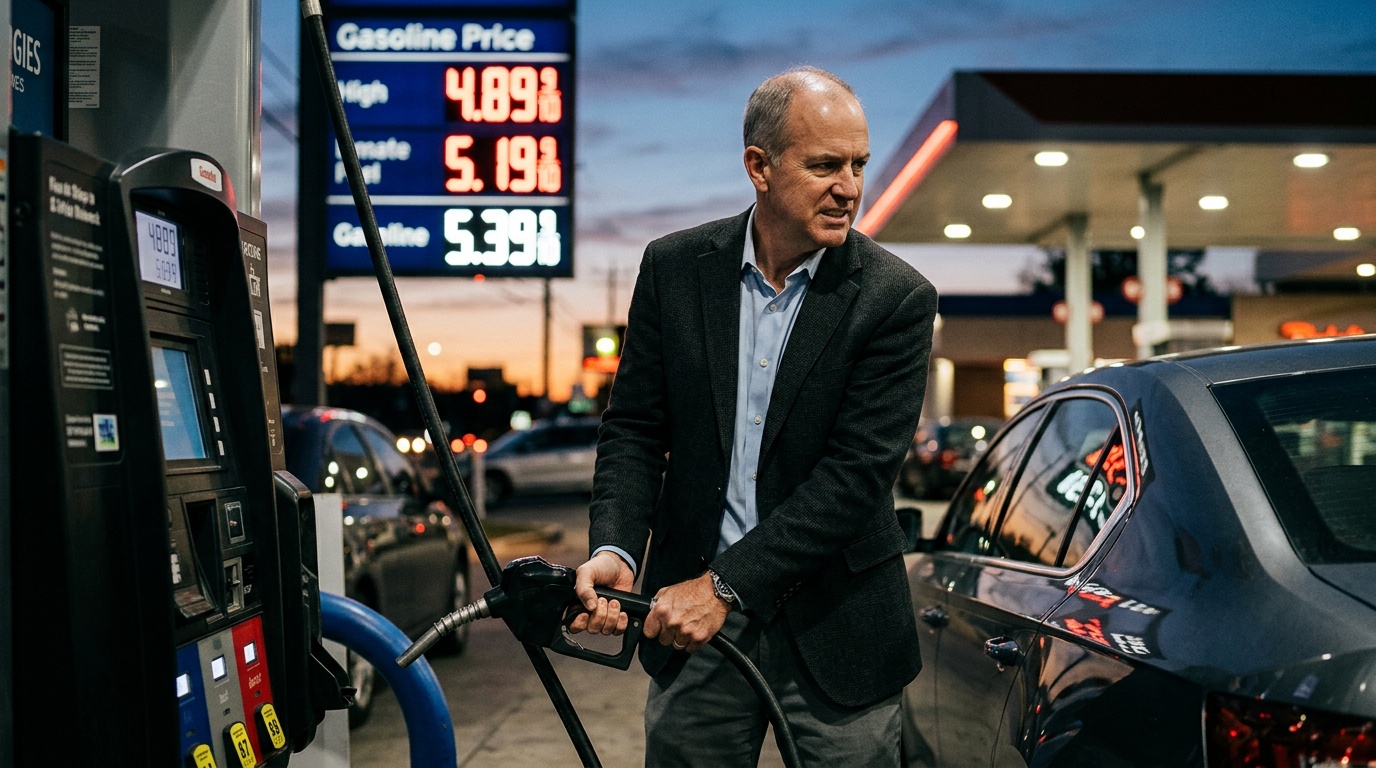
"We've heard loud and clear from Dashers that rising gas prices are hitting their wallets," Xu said in a post on X. He's not wrong. According to the American Automobile Association (AAA), the national average for a gallon of gas was $3.956 on Monday. In California, it was a staggering $5.790. When you're driving for a living, that kind of math starts to hurt pretty quickly.
So why are gas prices surging? Well, it's not just your typical summer travel season or refinery issues. The conflict in the Middle East has escalated, with Iran announcing a blockade at the Strait of Hormuz—a key shipping route that handles over a fifth of the world's crude oil supply. When a major choke point for global oil gets disrupted, prices tend to jump.
President Donald Trump had earlier given Iran a 48-hour ultimatum to open the Strait, saying talks were progressing well. Iranian authorities, for their part, have denied that any productive discussions are happening. Meanwhile, the political fallout is already brewing. Senator Elizabeth Warren (D-Mass.) noted that gas prices are up 27% in just a month, while California Governor Gavin Newsom (D) slammed the Trump administration over the rising costs at the pump.
Transportation Secretary Sean Duffy defended the administration, pointing to the Energy Dominance initiative and claiming it had previously kept gas prices below $3 per gallon. That might be cold comfort for drivers filling up today.
And it's not just DoorDash drivers feeling the squeeze. Drivers for Uber Technologies Inc. (UBER) and Lyft Inc. (LYFT) who use gasoline vehicles say they're having to prioritize profitable trips to make ends meet, even if it means driving to less-safe areas. On the flip side, drivers with electric vehicles are reportedly seeing increased business, as they're insulated from the volatility at the pump.
For DoorDash, the relief program seems to be getting a positive reception from investors, at least in the short term. The stock surged 2.13% to close at $159.98 on Monday, then gained another 0.48% in overnight trading to hit $160.75. It's a small move in the grand scheme of things, but it suggests the market sees this as a smart—or at least necessary—move to keep drivers on the road and deliveries flowing.
In the end, this isn't just about a cashback program. It's a reminder of how tightly woven fuel costs are into the fabric of the gig economy. When gas prices spike, the people who deliver our food and rides feel it first and hardest. For platforms like DoorDash, keeping those drivers happy—and financially able to keep driving—isn't just good PR; it's essential logistics.