Imagine being the only person at a party who thinks the music is too loud, and you keep asking the host to turn it down. Every single time. That's essentially the position of Federal Reserve Governor Stephen Miran, who has voted for an interest rate cut at every meeting since President Donald Trump appointed him last year.
On Monday, Miran doubled down on his dovish stance, arguing that the recent oil price shock—sparked by conflict in Iran—shouldn't scare the Fed off its path. He's still penciling in four rate cuts for 2026. The problem? Pretty much everyone else, especially the financial markets, thinks he's listening to a completely different song.
"I think that we shouldn't be making policy based on short-term headlines," Miran said during an interview. "It's just still premature to have a clear view about what this is going to look like as you look 12 months out."
To Panic or Not to Panic Over Oil?
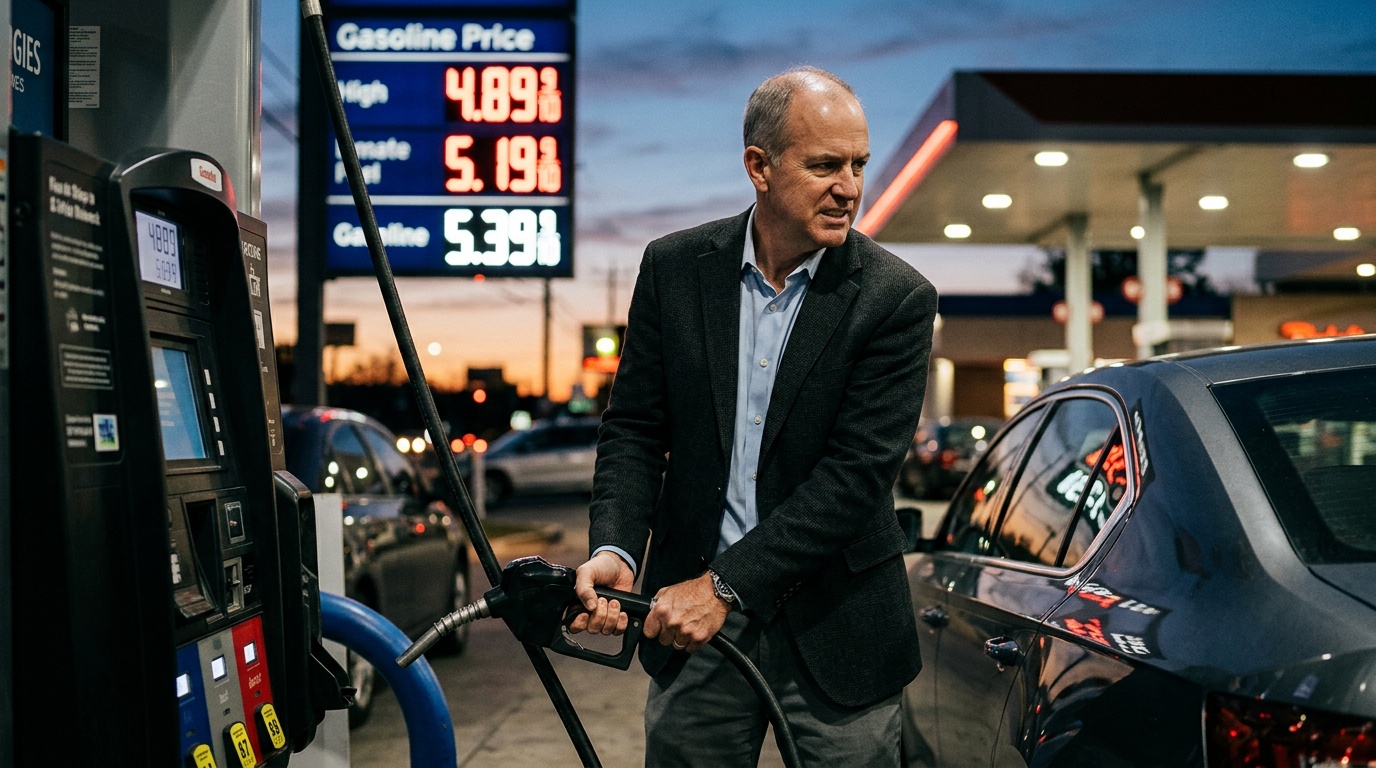
Since the war in Iran began, the price of oil—tracked by the United States Oil Fund (USO)—has jumped nearly 40%. That kind of move sends shivers down the spines of inflation watchers, conjuring images of 1970s-style price spirals.
Miran's message is simple: chill. "These oil shocks have been things that this Fed has looked through for a long time," he said. "It would be highly unusual for the Fed to start looking through them now."
Here's the traditional central banking playbook for an oil shock: It slams headline inflation (the number that includes food and energy) but only weakly filters into "core" inflation (which strips those volatile items out). The Fed usually tries to ignore the initial hit unless two scary things happen: 1) people start expecting high inflation to stick around for years, or 2) workers demand big raises to cover higher gas prices, kicking off a wage-price spiral.
Miran says he doesn't see either of those conditions right now.
Financial markets, however, are flashing warning signs. Prediction markets now see a 34% chance the Fed delivers zero rate cuts in 2026—a probability that has shot up 19 percentage points recently. The chance of an actual rate hike has climbed to 25%. Traders also see a 49% chance that the next inflation report comes in at 3.4% or higher.
The official Fed view from the March meeting was already more cautious than Miran's, with the median committee member projecting just one cut for 2026 and nudging the inflation forecast higher.
The Logic of a Lone Dissenter
So why is Miran sticking to his guns? He went into the March meeting expecting four cuts for 2026 (down from a previous expectation of six). He says the oil shock hasn't changed that baseline, but it has made the outlook messier.
"The balance of risks does change, but I think it's actually changed on both sides equally," Miran explained. "The inflation risks have gotten a little more concerning, but the unemployment risks have gotten more concerning too—because the negative supply shock that is oil prices is also a negative demand shock. You're taking money out of goods and services that are not energy."
That's the core of his argument: an oil shock is a two-headed monster. Yes, it pushes prices up at the pump. But it also acts like a tax on consumers, forcing them to spend more on energy and less on everything else. That drop in demand for other goods and services can slow the economy and push unemployment up. In Miran's view, that demand-destruction effect partly cancels out the inflation scare, arguing for steady policy, not tighter policy.
This put him at odds with another Fed official speaking Monday. Chicago Fed President Austan Goolsbee suggested a scenario could arise that requires rate hikes. Miran pushed back—not on the logic, but on the comparison to recent history.
He pointed out that the last major oil shock during the Russia-Ukraine war hit an economy that was flooded with stimulus. The Fed was still buying bonds by the truckload, and the government was spending trillions. "We're not hitting the gas on demand," Miran said. "We're not boosting demand with all-time record accommodative policy in a way that would allow these prices to reverberate through the economy." The context, he argues, is completely different now.
What Would Make Him Change His Mind?
Miran laid out the two red lines that would force him to abandon his four-cut forecast.
First, if medium-term inflation expectations started to run away. He noted that market-based measures of inflation expectations five years out have actually been falling lately. There's no sign of a dangerous "de-anchoring" of expectations beyond the immediate oil price spike.
Second, if wages started spiraling upward in response to higher prices. Miran said wage pressures have been cooling steadily for years and the labor market "is just not strong enough to worry about it." This belief—that the jobs market is softening—is precisely why he's been voting for rate cuts all along.
Unless one of those two alarms goes off, Stephen Miran plans to keep being the guy at the Fed meeting raising his hand for a cut. The markets are betting heavily that he'll be outvoted, again and again.