Marketdash

Scaramucci Says Trump's 'Unilateral' Iran Moves Reflect a Belief He's 'Smarter Than Everybody'

MarketDash
Washington, D.C., USA – April 26, 2018: Anthony Scaramucci, Former White House Official
Former White House aide Anthony Scaramucci criticizes Trump's solo approach to Iran, warning of economic fallout and ignored warnings as tensions escalate.

Get Market Alerts

Weekly insights + SMS alerts

Anthony Scaramucci, the former White House communications director who now runs SkyBridge Capital, took to social media over the weekend to deliver a blunt critique of President Donald Trump's handling of the Iran situation. His core argument? That Trump operates alone, convinced of his own superior intellect, and that this approach has led to ignoring serious warnings.

In a post on X, Scaramucci laid out his case that Trump "operates unilaterally" and believes "he's smarter than everybody." According to Scaramucci, this mindset led the president to dismiss explicit warnings from his own team about potential Iranian retaliation, like closing the critical Strait of Hormuz or attacking U.S. allies. Trump's alleged response to those warnings was a dismissive, "They're not going to do that."

Scaramucci also recounted that Trump later expressed surprise to reporters about the scale of Iran's missile attacks, which he said were launched at a "9 to 1 ratio" against American allies versus Israel. Scaramucci wrapped up his post with a sarcastic dig: "The biggest brain in the room couldn't see that coming."

This broadside came just after Trump indicated on Friday that the U.S. was "considering winding down" military operations in Iran, suggesting Washington was "getting very close" to its objectives. This represents a notable shift in rhetoric, even as the administration continues to pressure Tehran on issues like the nuclear program and freedom of navigation in the Strait of Hormuz. Earlier in the conflict, the talk from officials and allies had included ambitions for regime change in Iran.

Beyond the political critique, Scaramucci pointed to tangible economic risks. He argued Saturday that the war could throw a wrench into the Federal Reserve's plans, potentially pushing expected interest rate cuts off the table and toward faster hikes instead. The mechanism? Higher oil prices feeding directly into inflation. He even sketched a potential de-escalation plan focused on reopening the Strait of Hormuz through naval escorts and an insurance backstop for commercial shippers.

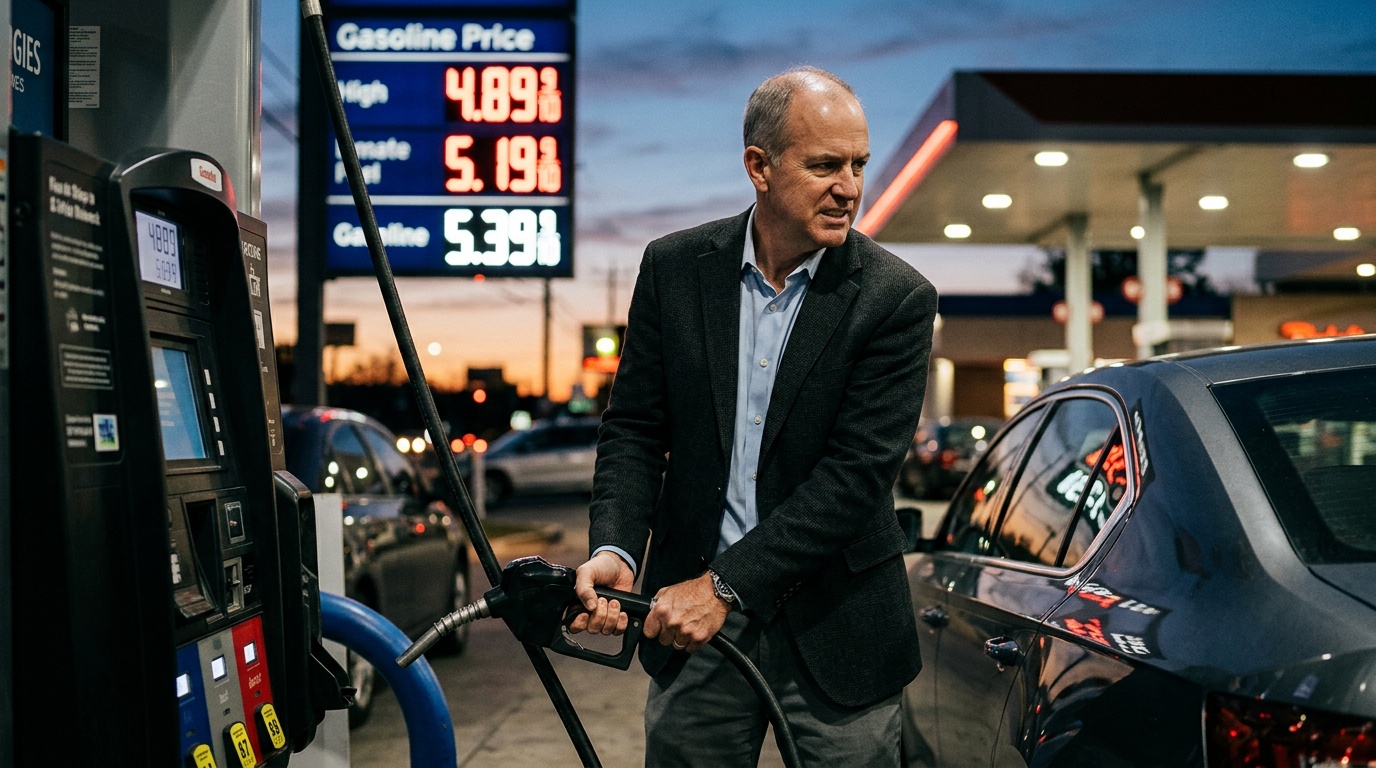
The public mood seems to align with concerns about a prolonged conflict. With U.S. gasoline prices averaging $3.94 a gallon, according to the American Automobile Association, and the Pentagon reportedly seeking an additional $200 billion in funding, appetite for a quick resolution appears strong. A CBS News poll released Sunday found that 92% of Americans said ending the conflict quickly was important, while 80% also valued protecting the Iranian people.


Scaramucci Says Trump's 'Unilateral' Iran Moves Reflect a Belief He's 'Smarter Than Everybody'

MarketDash
Washington, D.C., USA – April 26, 2018: Anthony Scaramucci, Former White House Official
Former White House aide Anthony Scaramucci criticizes Trump's solo approach to Iran, warning of economic fallout and ignored warnings as tensions escalate.

Get Market Alerts

Weekly insights + SMS alerts

Anthony Scaramucci, the former White House communications director who now runs SkyBridge Capital, took to social media over the weekend to deliver a blunt critique of President Donald Trump's handling of the Iran situation. His core argument? That Trump operates alone, convinced of his own superior intellect, and that this approach has led to ignoring serious warnings.

In a post on X, Scaramucci laid out his case that Trump "operates unilaterally" and believes "he's smarter than everybody." According to Scaramucci, this mindset led the president to dismiss explicit warnings from his own team about potential Iranian retaliation, like closing the critical Strait of Hormuz or attacking U.S. allies. Trump's alleged response to those warnings was a dismissive, "They're not going to do that."

Scaramucci also recounted that Trump later expressed surprise to reporters about the scale of Iran's missile attacks, which he said were launched at a "9 to 1 ratio" against American allies versus Israel. Scaramucci wrapped up his post with a sarcastic dig: "The biggest brain in the room couldn't see that coming."

This broadside came just after Trump indicated on Friday that the U.S. was "considering winding down" military operations in Iran, suggesting Washington was "getting very close" to its objectives. This represents a notable shift in rhetoric, even as the administration continues to pressure Tehran on issues like the nuclear program and freedom of navigation in the Strait of Hormuz. Earlier in the conflict, the talk from officials and allies had included ambitions for regime change in Iran.

Beyond the political critique, Scaramucci pointed to tangible economic risks. He argued Saturday that the war could throw a wrench into the Federal Reserve's plans, potentially pushing expected interest rate cuts off the table and toward faster hikes instead. The mechanism? Higher oil prices feeding directly into inflation. He even sketched a potential de-escalation plan focused on reopening the Strait of Hormuz through naval escorts and an insurance backstop for commercial shippers.

The public mood seems to align with concerns about a prolonged conflict. With U.S. gasoline prices averaging $3.94 a gallon, according to the American Automobile Association, and the Pentagon reportedly seeking an additional $200 billion in funding, appetite for a quick resolution appears strong. A CBS News poll released Sunday found that 92% of Americans said ending the conflict quickly was important, while 80% also valued protecting the Iranian people.