So, the market had a bit of a Wednesday. The S&P 500 fell 1.36% to close at 6,624.70, and the mood is... let's call it apprehensive. The culprit? A classic one-two punch: a hotter-than-expected Producer Price Index (PPI) report and some cautious words from Federal Reserve Chair Jerome Powell. Together, they've got everyone whispering the 'S' word: stagflation. That's the nasty scenario where growth slows down but prices keep going up, and it's the last thing anyone wants to see.
Heading into Thursday, the crowd isn't feeling optimistic. Over on the Polygon-based prediction platform Polymarket, traders are placing bets on whether the S&P 500 will open up or down. The market for "S&P 500 Opens Up or Down on March 19?" is currently sitting at 55% betting on "Down" versus 45% for "Up." There's already over $54,000 in traded volume on that question, which tells you people are paying attention and putting money behind their views.
Why the Sudden Gloom?
Let's unpack the bad news. The inflation picture took a sharp turn for the worse. The February PPI came in at 0.7% month-over-month. That's more than double the 0.3% economists were expecting. And here's the scary part: this data doesn't even fully reflect the recent spike in energy prices caused by the conflict involving Iran. It's like getting a bill and realizing the service charges haven't been added yet.
The Fed, as expected, held interest rates steady in the 3.5% to 3.75% range. But the market's expectations for what comes next have shifted dramatically. According to the CME FedWatch tool, traders now see a 56.4% probability that the central bank does nothing—holds rates right where they are—for the entire rest of 2026. That's a big change from just hoping for cuts. In its statement, the Fed added to the uncertainty, noting that "the implications of developments in the Middle East for the U.S. economy are uncertain."
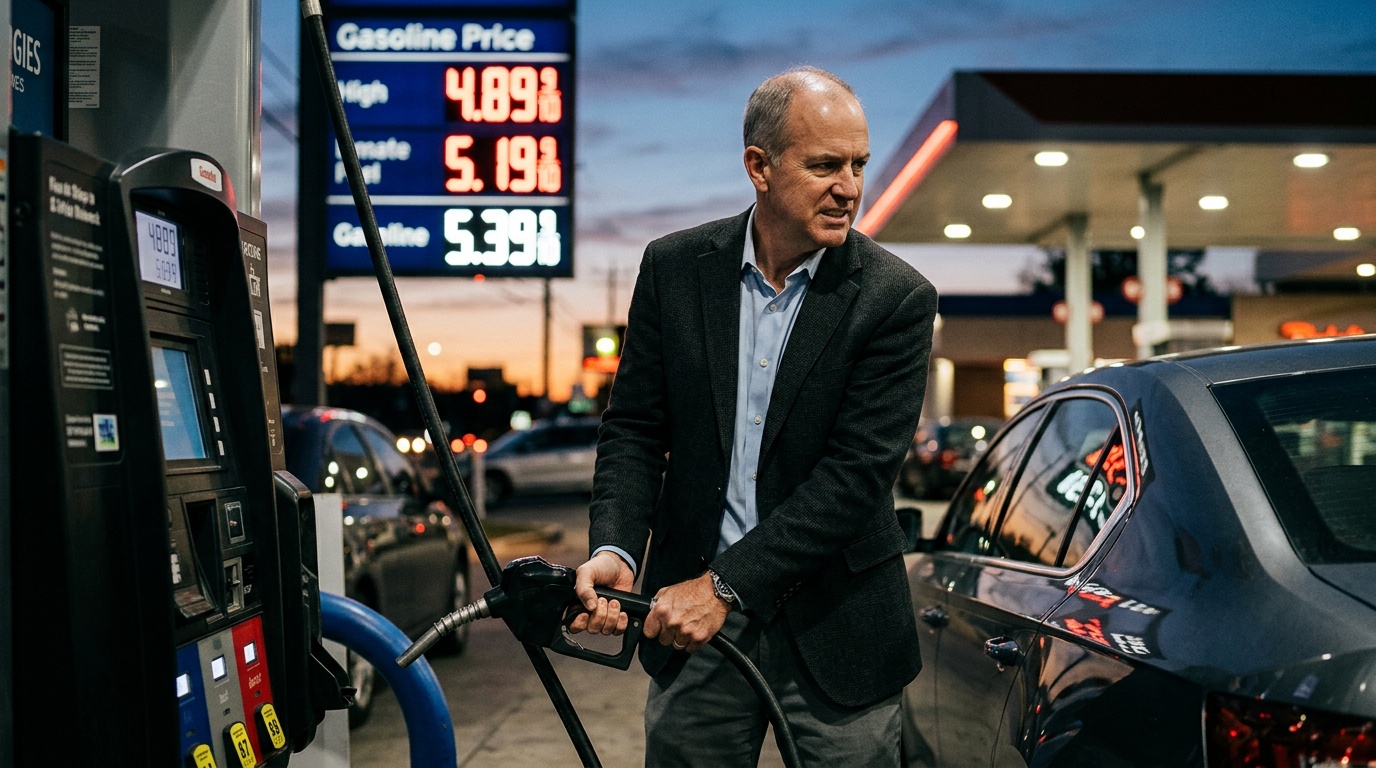
Speaking of the Middle East, the situation there got worse overnight. Israel struck Iran's largest gas processing facility. Iran has threatened retaliatory attacks on oil facilities in Saudi Arabia, the UAE, and Qatar, and has already launched new strikes on UAE energy infrastructure this week. The immediate result? Brent crude oil topped $111 a barrel and futures were at $113.45 when checked in the early morning hours. Higher oil prices feed directly into inflation fears, making the Fed's job even harder.
Is There Any Hope for the Bulls?
It's not all doom and gloom. There are a couple of data points due Thursday morning that could give optimistic investors something to hang onto. Weekly jobless claims and the Philadelphia Fed Manufacturing Index are on the docket. A softer-than-expected reading on either could suggest the economy isn't overheating as much as feared, potentially giving stocks a reason to bounce.
We'll also get earnings from Darden Restaurants (DRI) before the market opens. As a bellwether for consumer spending, especially on discretionary items like dining out, its results will be closely watched for signs of how the average American is holding up.
As of very early Thursday, S&P 500 futures were down a modest 0.08% at 6,671.75 points. It's a small move, but it shows the negative sentiment from Wednesday hasn't dissipated.
For what it's worth, the Polymarket crowd got it right on Wednesday. The "Down" bet resolved correctly after the S&P 500 opened lower following the PPI news, with a total of $177,031 traded on that outcome. So, when this particular group leans one way, it might be worth noting. Now we wait to see if their bearish call for Thursday's open proves accurate, or if some unexpected good news changes the narrative.