So, Tesla Inc. (TSLA) wants to do it all. Build the cars, write the self-driving software, and run the eventual robotaxi network. It's a classic full-stack, vertically integrated play. But here's the thing about building the future of transportation: sometimes it's easier if you don't have to do everything yourself.
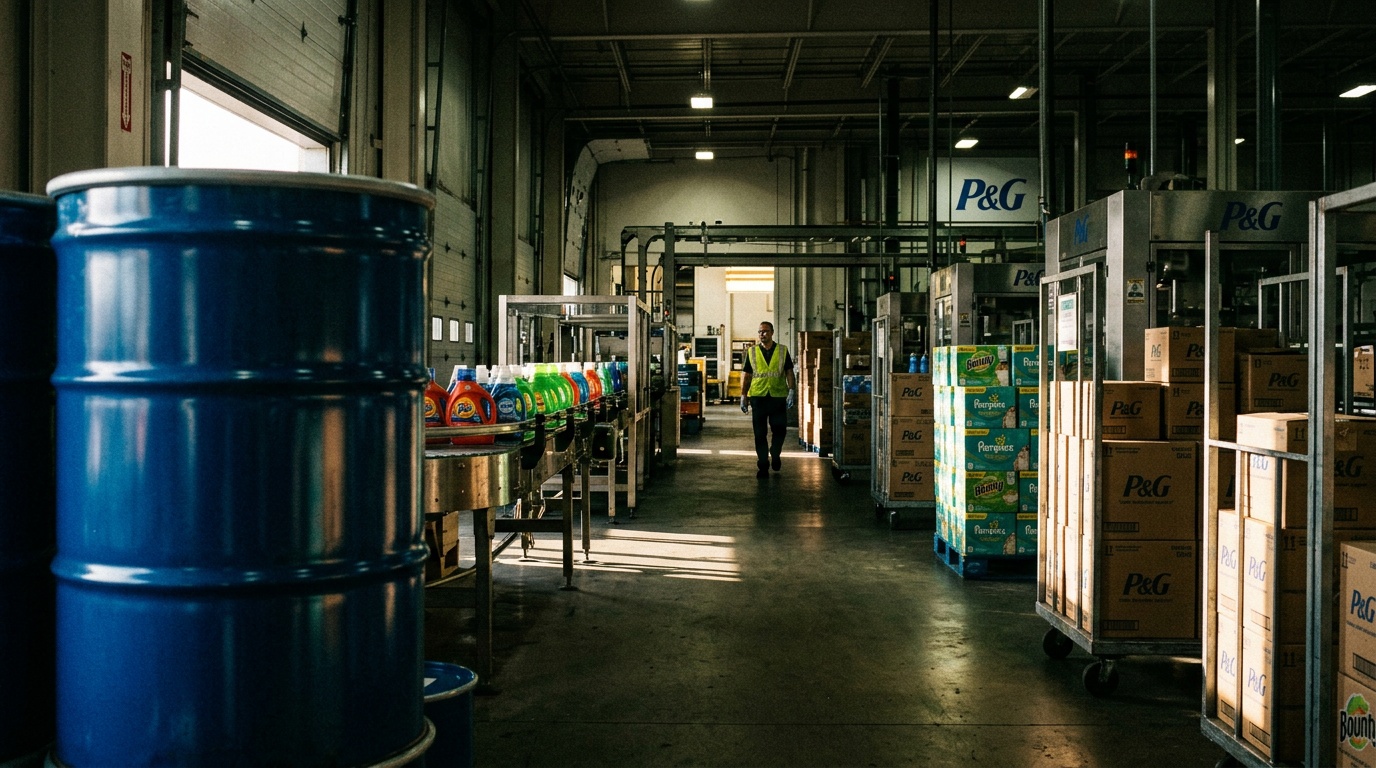
A different blueprint is starting to take shape. Think of it as a stack, where each layer is handled by a specialist. Nvidia Corp (NVDA) brings the AI brains—the powerful computing platform needed for real-time decision-making. Lucid Group, Inc. (LCID) builds the actual vehicles, designed from the ground up to be autonomy-ready. And Uber Technologies, Inc. (UBER)? Well, Uber already owns the riders. Put those three pieces together, and you've got a pretty compelling autonomous ecosystem without any one company needing to own the whole vertical.
The Robotaxi Model Is Splitting In Two
For years, Tesla's strategy has been the dominant narrative in the autonomy space: control everything. But a different model is now emerging, and it's all about modularity and partnership.
Nvidia's push is evolving beyond just selling chips. It's building full-stack AI platforms for autonomous systems. Lucid is positioning its upcoming midsize vehicles—and even its futuristic Lunar robotaxi concept—for scalable, fleet-ready deployment. And then you layer Uber on top. The hardest part of any new service—finding customers—is already solved. Uber has millions of users and a global network. This isn't just a pilot program or a concept; it's looking like a deliberate, modular buildout.
Nvidia Brings The Brains, Lucid The Hardware
Modern autonomous vehicles aren't just about having good sensors. They need to process a flood of data in real-time, learn continuously, and handle massive amounts of computing behind the scenes. That's Nvidia's sweet spot.
Lucid, on the other hand, is focusing on what it does best: building efficient, well-designed electric vehicles. The key is that they're being engineered from the start to be autonomy-ready, not retrofitted later. Reports of discussions with Uber about deploying these midsize vehicles at scale suggest this is moving beyond theory and toward actual rollout plans.
Uber Solves The Hardest Problem: Demand
Here's a dirty little secret of many tech moonshots: they often fail not on the technology, but on distribution. You can build the world's greatest self-driving car, but if you have no way to get it in front of paying customers, it doesn't matter.
Uber flips that problem on its head. It doesn't need to build cars or develop AI chips. It already has the demand—a massive, global base of riders accustomed to tapping an app for a ride. That makes Uber the perfect deployment engine. Any functional autonomy stack can, in theory, be plugged into its existing network. That fundamentally changes the economics and the speed of scaling.
A Different Kind Of Competition
This isn't simply Nvidia versus Tesla in chips, or Lucid versus Tesla in cars. It's a clash of two competing philosophies for the robotaxi future.
- Tesla's Model: One company, full-stack control. Build the car, the AI, the network.
- The Modular Model: Nvidia (AI platform) + Lucid (vehicles) + Uber (network). Connect the best specialists.
One builds everything. The other connects everything. And if this connected, modular approach can scale faster and more efficiently, the winner of the robotaxi race might not be the company that builds the single best car, but the one that helps build the best, most adaptable system.