So here's a fun thought: when Iran closes the Strait of Hormuz, it's not just throwing a geopolitical tantrum. According to Anthony Scaramucci, it's actually launching a form of "economic warfare." The former White House communications director argued Monday that Tehran isn't just retaliating against U.S.-Israeli strikes with a military move; it's trying to inflict some serious global economic pain.
In a post on X, Scaramucci put it bluntly: "The Strait of Hormuz closure isn't just Iran's retaliation—it's economic warfare holding 20-30% of global oil hostage." He spelled out the stakes: "Skyrocketing energy prices, supply chain chaos, and recession risks for Asia/Europe."
He suggested that U.S. and Israeli strikes were trying to reopen the critical waterway by force, but warned that "without a deal, this drags into proxy hell." The optimistic timeline? "Best case? Partial flow in 3-5 weeks."
This isn't just theoretical. The timing of Scaramucci's warning reflects a market that's already under severe strain. The U.S. Energy Information Administration said the strait carried about 20 million barrels a day in 2024, which is roughly one-fifth of global petroleum liquids consumption. Oh, and about one-fifth of global LNG trade also moved through there, mostly from Qatar. The agency estimated that 84% of Hormuz crude and condensate flows and 83% of LNG flows went to Asian markets.
Broader market data shows just how sharply traffic has deteriorated. The International Energy Agency said oil and product flows through Hormuz, which averaged about 20 million barrels a day before the war, had fallen to a trickle and then to less than 10% of pre-crisis levels. Reuters reported Middle East Gulf oil exports were down at least 60% in the week to March 15.
IEA analysts in a market report last Thursday said any restart would require credible tanker escorts, insurance backstops and traffic-management measures, suggesting a quick reset is unlikely. So we're not talking about flipping a switch here.
Scaramucci's warning also lands as President Donald Trump presses allies to help reopen the strait, a push that has met resistance. The Associated Press reported that no country had formally committed warships, and Reuters said Germany, Spain and Italy had rebuffed Washington's request while the European Union showed "no appetite" to expand its naval mission there.
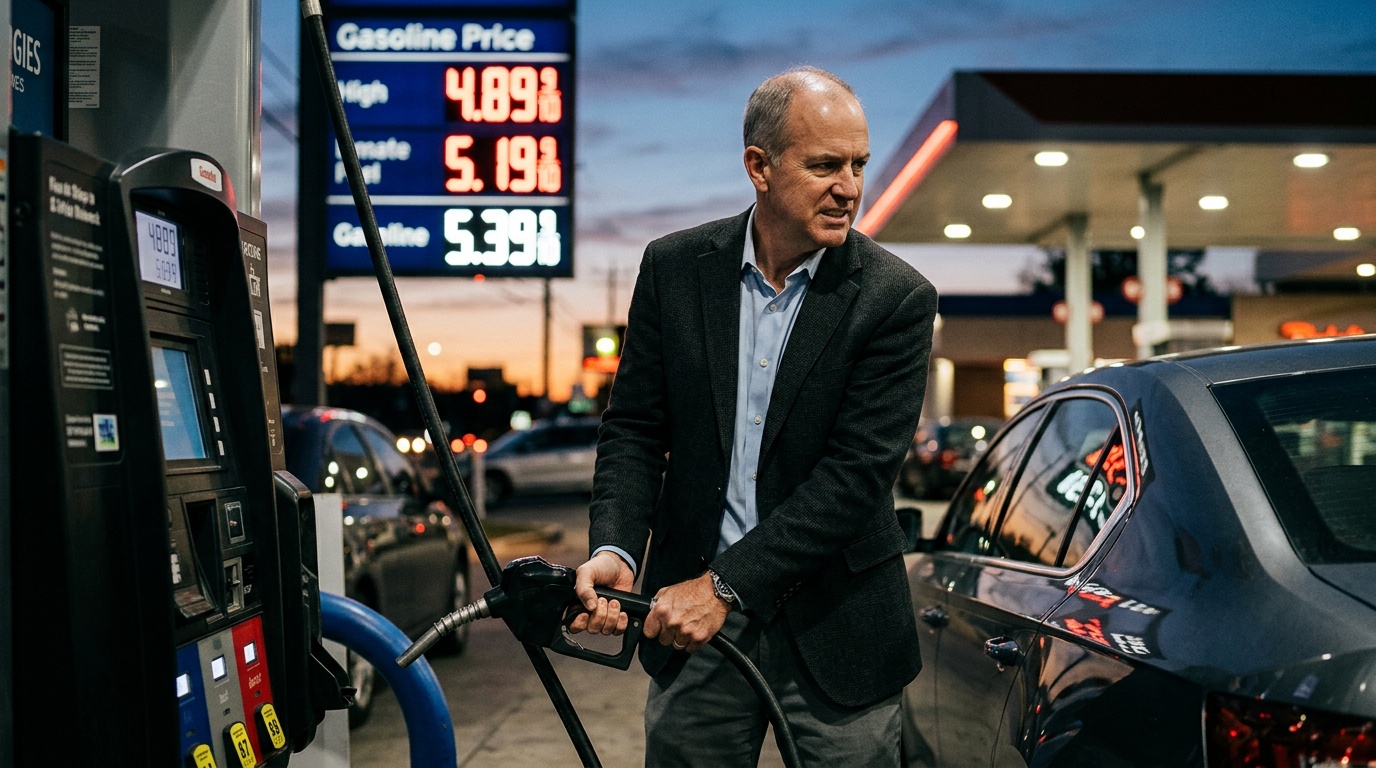
At the time of writing, oil prices were on the up. WTI Crude April 26 futures up 2.66% to $95.99 per barrel, while Brent crude gained 2.68% to $102.89. Because of course they were.