Marketdash

Kevin O'Leary's Oil Reality Check: Strait of Hormuz Tensions Show World Still Runs on Crude

MarketDash
kevin o’leary
As U.S.-Iran tensions threaten a key oil chokepoint, 'Shark Tank' investor Kevin O'Leary argues the crisis exposes the world's continued dependence on oil and the shortcomings of alternative energy.

Get Market Alerts

Weekly insights + SMS alerts

Here's a basic fact about the global economy: it runs on oil. And right now, the faucet might be getting a little shaky.

Rising tensions between the U.S. and Iran have put a spotlight on one of the world's most important pieces of plumbing—the Strait of Hormuz. After the U.S. targeted Iran's Kharg Island terminal (which handles nearly 90% of the country's oil exports), Iran has threatened to mine the narrow waterway. It's the kind of geopolitical game of chicken that makes energy traders nervous and reminds everyone that, for all the talk of transition, the world still floats on a sea of crude.

On Saturday, the U.S. president declined an Iranian offer to negotiate a ceasefire and hinted at more potential strikes, signaling things could escalate further.

The Shark's Take

'Shark Tank' star and investor Kevin O'Leary weighed in on the situation over the weekend with a blunt assessment. "Oil is the only commodity used in every single sector of every economy. Even our adversaries need it," he said.

But O'Leary didn't stop there. He took aim at the alternative energy sector, arguing that the billions poured into wind and solar haven't delivered a reliable replacement when the pressure is on. "It didn't work," he wrote on X, referring to the broader push for renewables.

Looking ahead, O'Leary predicts the crisis will lead to a pragmatic, if not popular, shift in global policy. "Expect to see more pro-hydrocarbon policy globally after this," he added.

He's not alone in stressing oil's foundational role. Analyst Samo Burja noted in a separate post that oil is the bedrock of modern manufacturing, transportation, and global production chains. It's not just fuel; it's the feedstock for countless products and the engine of logistics.

Get Market Alerts

Weekly insights + SMS (optional)

The Price of Tension

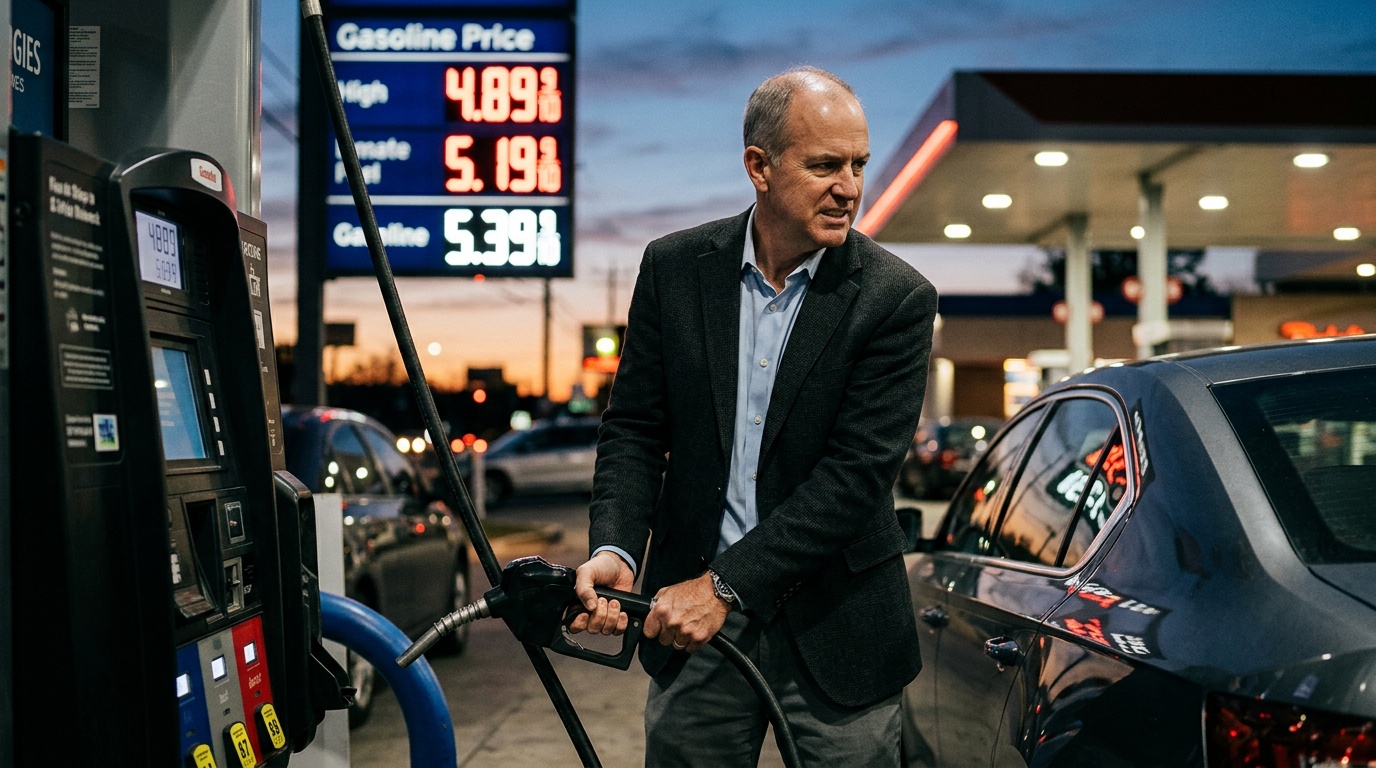
In a recent television appearance, O'Leary connected the geopolitical dots to the pump, warning that if oil prices stick above $90–$100 per barrel for more than 90 days, U.S. drivers could see gasoline prices climb past $3 per gallon. He called energy the "granddaddy issue" heading into the upcoming U.S. midterm elections, a problem that trumps all others when it starts hitting wallets.

He also provided a counterfactual, a glimpse of a calmer world. Without these geopolitical flare-ups, O'Leary noted, crude would likely be trading peacefully between $55–$70 per barrel—a level he described as where "the economy works just fine."

So, the story here isn't just about a potential blockade or another Middle Eastern conflict. It's a stress test. The tensions in the Strait of Hormuz are showing, in real-time, that the global economy's switch to alternative energy sources is far from complete. When a chokepoint like the Strait gets squeezed, the immediate reaction isn't to turn to solar panels or wind farms; it's to watch the price of Brent crude and wonder how long your tank of gas will cost you. As O'Leary frames it, the world spent a fortune building a backup plan, but when the lights flicker, everyone still runs for the old, reliable generator.


Kevin O'Leary's Oil Reality Check: Strait of Hormuz Tensions Show World Still Runs on Crude

MarketDash
kevin o’leary
As U.S.-Iran tensions threaten a key oil chokepoint, 'Shark Tank' investor Kevin O'Leary argues the crisis exposes the world's continued dependence on oil and the shortcomings of alternative energy.

Get Market Alerts

Weekly insights + SMS alerts

Here's a basic fact about the global economy: it runs on oil. And right now, the faucet might be getting a little shaky.

Rising tensions between the U.S. and Iran have put a spotlight on one of the world's most important pieces of plumbing—the Strait of Hormuz. After the U.S. targeted Iran's Kharg Island terminal (which handles nearly 90% of the country's oil exports), Iran has threatened to mine the narrow waterway. It's the kind of geopolitical game of chicken that makes energy traders nervous and reminds everyone that, for all the talk of transition, the world still floats on a sea of crude.

On Saturday, the U.S. president declined an Iranian offer to negotiate a ceasefire and hinted at more potential strikes, signaling things could escalate further.

The Shark's Take

'Shark Tank' star and investor Kevin O'Leary weighed in on the situation over the weekend with a blunt assessment. "Oil is the only commodity used in every single sector of every economy. Even our adversaries need it," he said.

But O'Leary didn't stop there. He took aim at the alternative energy sector, arguing that the billions poured into wind and solar haven't delivered a reliable replacement when the pressure is on. "It didn't work," he wrote on X, referring to the broader push for renewables.

Looking ahead, O'Leary predicts the crisis will lead to a pragmatic, if not popular, shift in global policy. "Expect to see more pro-hydrocarbon policy globally after this," he added.

He's not alone in stressing oil's foundational role. Analyst Samo Burja noted in a separate post that oil is the bedrock of modern manufacturing, transportation, and global production chains. It's not just fuel; it's the feedstock for countless products and the engine of logistics.

Get Market Alerts

Weekly insights + SMS (optional)

The Price of Tension

In a recent television appearance, O'Leary connected the geopolitical dots to the pump, warning that if oil prices stick above $90–$100 per barrel for more than 90 days, U.S. drivers could see gasoline prices climb past $3 per gallon. He called energy the "granddaddy issue" heading into the upcoming U.S. midterm elections, a problem that trumps all others when it starts hitting wallets.

He also provided a counterfactual, a glimpse of a calmer world. Without these geopolitical flare-ups, O'Leary noted, crude would likely be trading peacefully between $55–$70 per barrel—a level he described as where "the economy works just fine."

So, the story here isn't just about a potential blockade or another Middle Eastern conflict. It's a stress test. The tensions in the Strait of Hormuz are showing, in real-time, that the global economy's switch to alternative energy sources is far from complete. When a chokepoint like the Strait gets squeezed, the immediate reaction isn't to turn to solar panels or wind farms; it's to watch the price of Brent crude and wonder how long your tank of gas will cost you. As O'Leary frames it, the world spent a fortune building a backup plan, but when the lights flicker, everyone still runs for the old, reliable generator.