Marketdash

Kiyosaki Connects the Dots: Why India's Reliance Might Be Trump's Ace for Venezuelan Oil

MarketDash
Robert Kiyosaki sees strategic calculation, not coincidence, in India's Reliance Industries backing a new Texas refinery as the U.S. moves on Venezuela's massive oil reserves.

Get Chevron Alerts

Weekly insights + SMS alerts

So here's a puzzle: the U.S. quietly takes control of Venezuela's massive oil reserves, but American refineries mostly can't process that particular type of crude. Meanwhile, India's giant Reliance Industries—which happens to run the world's largest oil refining complex and already knows Venezuelan oil—announces it's backing the first new U.S. refinery in 50 years.

Robert Kiyosaki, the Rich Dad, Poor Dad author, thinks these pieces fit together a little too neatly. In a recent analysis, he suggested this isn't random luck but "calculated positioning" by India after China lost access to Venezuelan oil.

Let's break down why this matters. Venezuela has the largest proven oil reserves on the planet. But there's a catch: it's heavy crude with high sulphur content, which requires specialized refining equipment that most U.S. facilities don't have. Enter Reliance Industries, owned by India's richest man, Mukesh Ambani.

Reliance's Jamnagar refinery in India processes over 1.2 million barrels of crude daily and is one of the most sophisticated heavy crude processing facilities globally. As Kiyosaki pointed out, "They know the oil"—Reliance was already importing Venezuelan crude before U.S. sanctions hit.

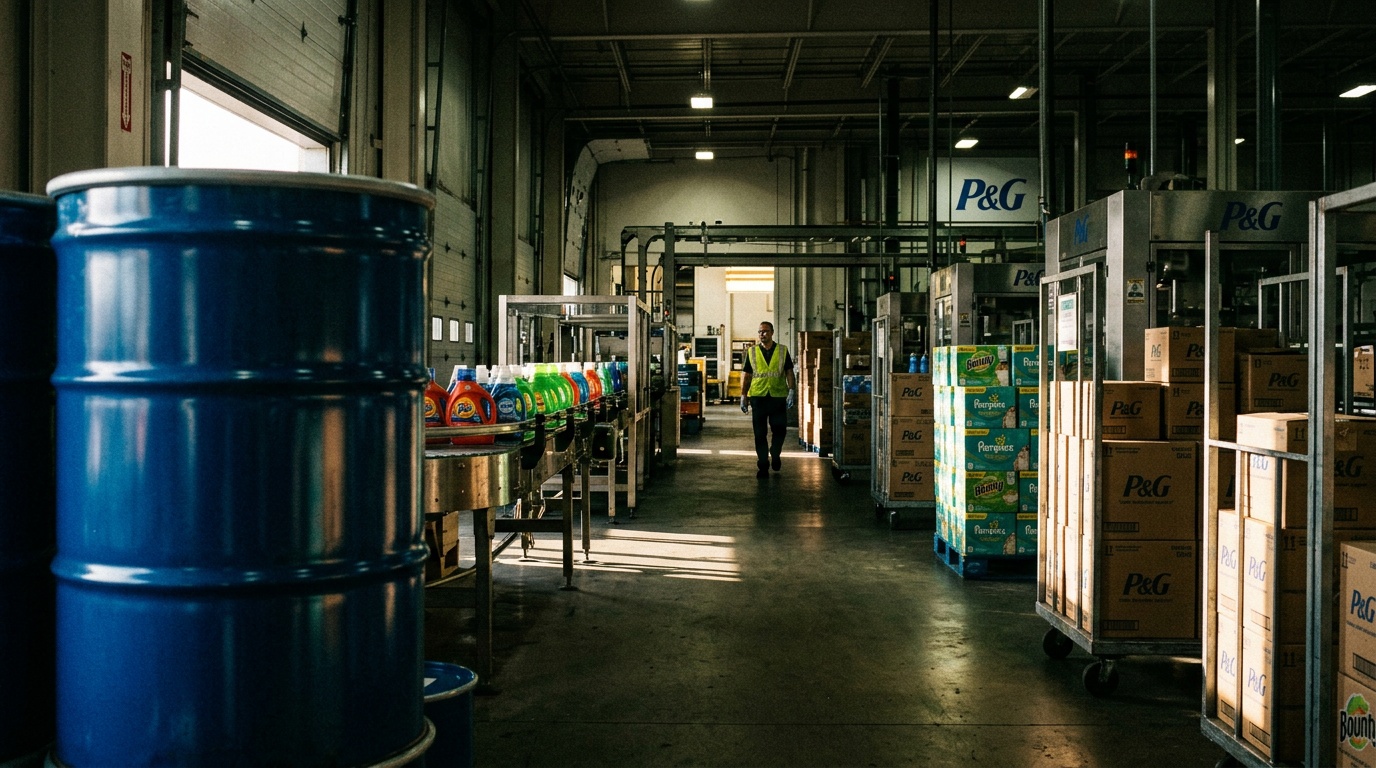
Now Reliance is part of a $300 billion investment backing a new refinery in Brownsville, Texas, hailed by former President Donald Trump. The refinery is designed to process American light shale oil from the Permian Basin, with plans to handle an estimated 1.2 billion barrels over the next two decades.

But here's the interesting part: Kiyosaki notes that while the world was watching Iran, Trump "seized control" of Venezuela's oil sector. With Reliance's expertise and the new Texas infrastructure, the U.S. suddenly has a pathway to actually use that Venezuelan oil.

The timing is particularly notable given Venezuela's political situation. Years of turmoil and restrictions have left most of its oil stranded. U.S. actions there could open opportunities for American oil majors like Chevron Corp. (CVX), Halliburton Co. (HAL), and Valero Energy Corp. (VLO) to gain broader access to that heavy crude.

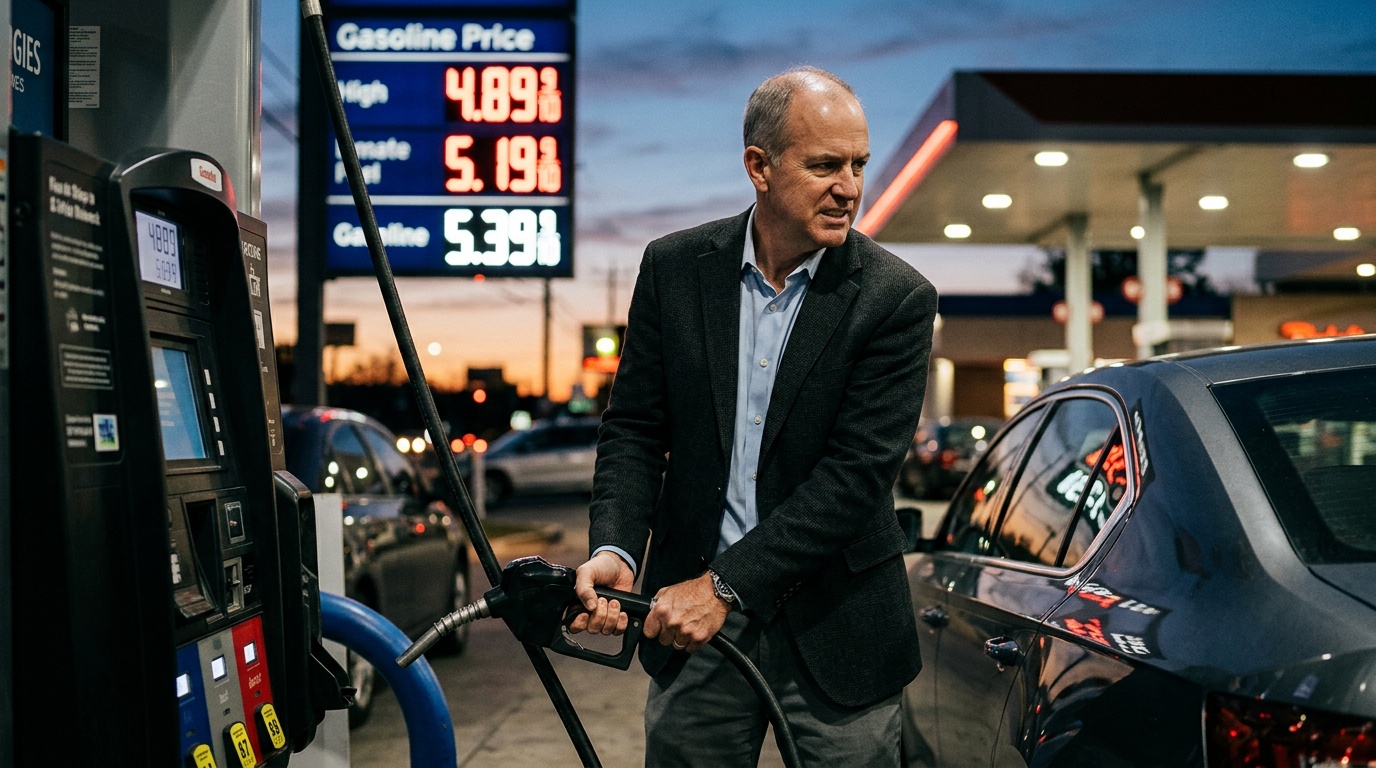
All this is happening against a backdrop of escalating Middle East tensions that have rattled global markets and sent oil prices surging. When last checked, WTI crude oil traded over 6% higher at $92.54 per barrel.

What Kiyosaki is really pointing to is how global energy chess gets played. When China lost access to Venezuelan oil after the capture of former president Nicolás Maduro in January, that created an opening. India, through Reliance, appears to be stepping into that gap with both the technical capability and now the U.S. partnership to make it work.

The new Texas refinery is being framed as part of an effort to boost domestic energy production and deepen economic ties with global partners. But if Kiyosaki's reading is right, it might also be about creating the refining capacity needed to actually capitalize on Venezuela's oil wealth.

The unfolding deals could potentially reshape trade flows, production levels, and refining economics in ways that ripple through global markets. It's one of those stories where what looks like separate developments—a new refinery here, geopolitical moves there—might actually be connected pieces of a larger strategy.

Or maybe it really is just coincidence. But in the oil business, where billions of dollars and national energy security are at stake, coincidences tend to be rare.


Kiyosaki Connects the Dots: Why India's Reliance Might Be Trump's Ace for Venezuelan Oil

MarketDash
Robert Kiyosaki sees strategic calculation, not coincidence, in India's Reliance Industries backing a new Texas refinery as the U.S. moves on Venezuela's massive oil reserves.

Get Chevron Alerts

Weekly insights + SMS alerts

So here's a puzzle: the U.S. quietly takes control of Venezuela's massive oil reserves, but American refineries mostly can't process that particular type of crude. Meanwhile, India's giant Reliance Industries—which happens to run the world's largest oil refining complex and already knows Venezuelan oil—announces it's backing the first new U.S. refinery in 50 years.

Robert Kiyosaki, the Rich Dad, Poor Dad author, thinks these pieces fit together a little too neatly. In a recent analysis, he suggested this isn't random luck but "calculated positioning" by India after China lost access to Venezuelan oil.

Let's break down why this matters. Venezuela has the largest proven oil reserves on the planet. But there's a catch: it's heavy crude with high sulphur content, which requires specialized refining equipment that most U.S. facilities don't have. Enter Reliance Industries, owned by India's richest man, Mukesh Ambani.

Reliance's Jamnagar refinery in India processes over 1.2 million barrels of crude daily and is one of the most sophisticated heavy crude processing facilities globally. As Kiyosaki pointed out, "They know the oil"—Reliance was already importing Venezuelan crude before U.S. sanctions hit.

Now Reliance is part of a $300 billion investment backing a new refinery in Brownsville, Texas, hailed by former President Donald Trump. The refinery is designed to process American light shale oil from the Permian Basin, with plans to handle an estimated 1.2 billion barrels over the next two decades.

But here's the interesting part: Kiyosaki notes that while the world was watching Iran, Trump "seized control" of Venezuela's oil sector. With Reliance's expertise and the new Texas infrastructure, the U.S. suddenly has a pathway to actually use that Venezuelan oil.

The timing is particularly notable given Venezuela's political situation. Years of turmoil and restrictions have left most of its oil stranded. U.S. actions there could open opportunities for American oil majors like Chevron Corp. (CVX), Halliburton Co. (HAL), and Valero Energy Corp. (VLO) to gain broader access to that heavy crude.

All this is happening against a backdrop of escalating Middle East tensions that have rattled global markets and sent oil prices surging. When last checked, WTI crude oil traded over 6% higher at $92.54 per barrel.

What Kiyosaki is really pointing to is how global energy chess gets played. When China lost access to Venezuelan oil after the capture of former president Nicolás Maduro in January, that created an opening. India, through Reliance, appears to be stepping into that gap with both the technical capability and now the U.S. partnership to make it work.

The new Texas refinery is being framed as part of an effort to boost domestic energy production and deepen economic ties with global partners. But if Kiyosaki's reading is right, it might also be about creating the refining capacity needed to actually capitalize on Venezuela's oil wealth.

The unfolding deals could potentially reshape trade flows, production levels, and refining economics in ways that ripple through global markets. It's one of those stories where what looks like separate developments—a new refinery here, geopolitical moves there—might actually be connected pieces of a larger strategy.

Or maybe it really is just coincidence. But in the oil business, where billions of dollars and national energy security are at stake, coincidences tend to be rare.