So, the conflict is now in its fifth day, and the updates keep coming. Let's walk through what's happening.
First, the situation on the ground. Israel has confirmed it's going after Hezbollah targets in Beirut. The Israeli military's Arabic-language spokesperson, Avichay Adraee, posted about it. This came after the army told people in the Haret Hreik neighborhood—that's in the southern suburbs of Beirut—to get out immediately. It's a clear escalation in that theater.
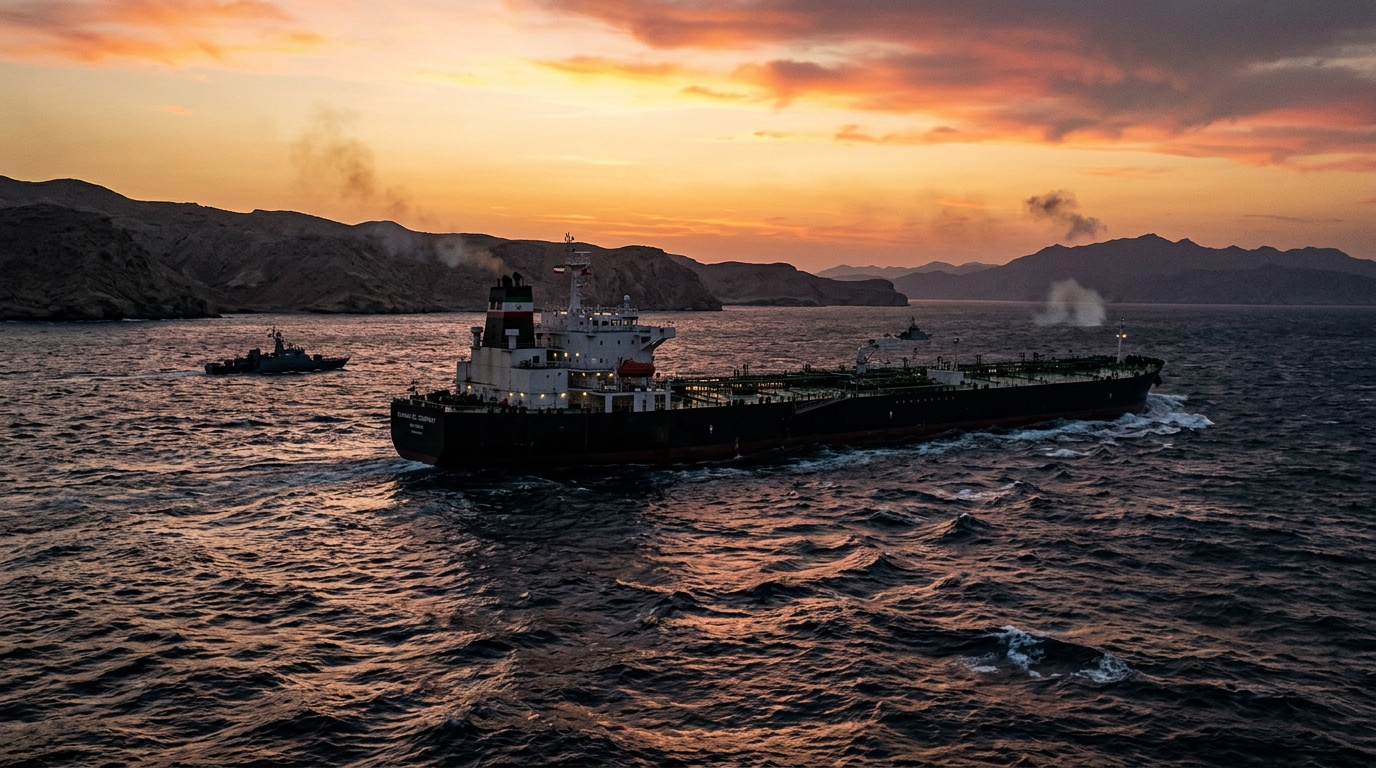
Meanwhile, over on the naval front, the U.S. is making some big claims. The commander of U.S. Central Command, Adm. Brad Cooper, said in a video that American forces have taken out 17 Iranian ships. He talked about "uncontested surgical strikes" by B-2 and B-1 bombers and mentioned that the campaign involves tens of thousands of U.S. service members. The notable detail here: he said they're effectively dismantling Iran's navy and have even damaged its most operational submarine. That's a significant hit if accurate.
Then there's the diplomatic noise. Iran is not happy with Germany. Esmaeil Baghaei, a spokesperson for Iran's Foreign Ministry, slammed German Chancellor Friedrich Merz after Merz met with U.S. President Donald Trump. Baghaei warned that some EU countries risk ending up "on the wrong side of history" by seeming to go along with U.S. and Israeli actions against Iran. He urged the EU to reject what he called moves that echo "historical Nazi mindsets" and to stick to international law instead.
For his part, during his Washington visit, Merz did express support for the U.S.-Israeli war effort against Iran, though he also said he hoped it would wrap up soon because of the strain on the global economy. So, you've got military actions ramping up and diplomatic tensions flaring, all while the world watches the economic fallout.