Marketdash

United Airlines Stock Bounces Back After Fuel Fears, But What's the Real Story?

MarketDash
United Airlines shares are trying to recover after a sharp drop on oil price worries. Here's a look at the technicals, analyst views, and why ETF flows could matter more than you think.

Get Market Alerts

Weekly insights + SMS alerts

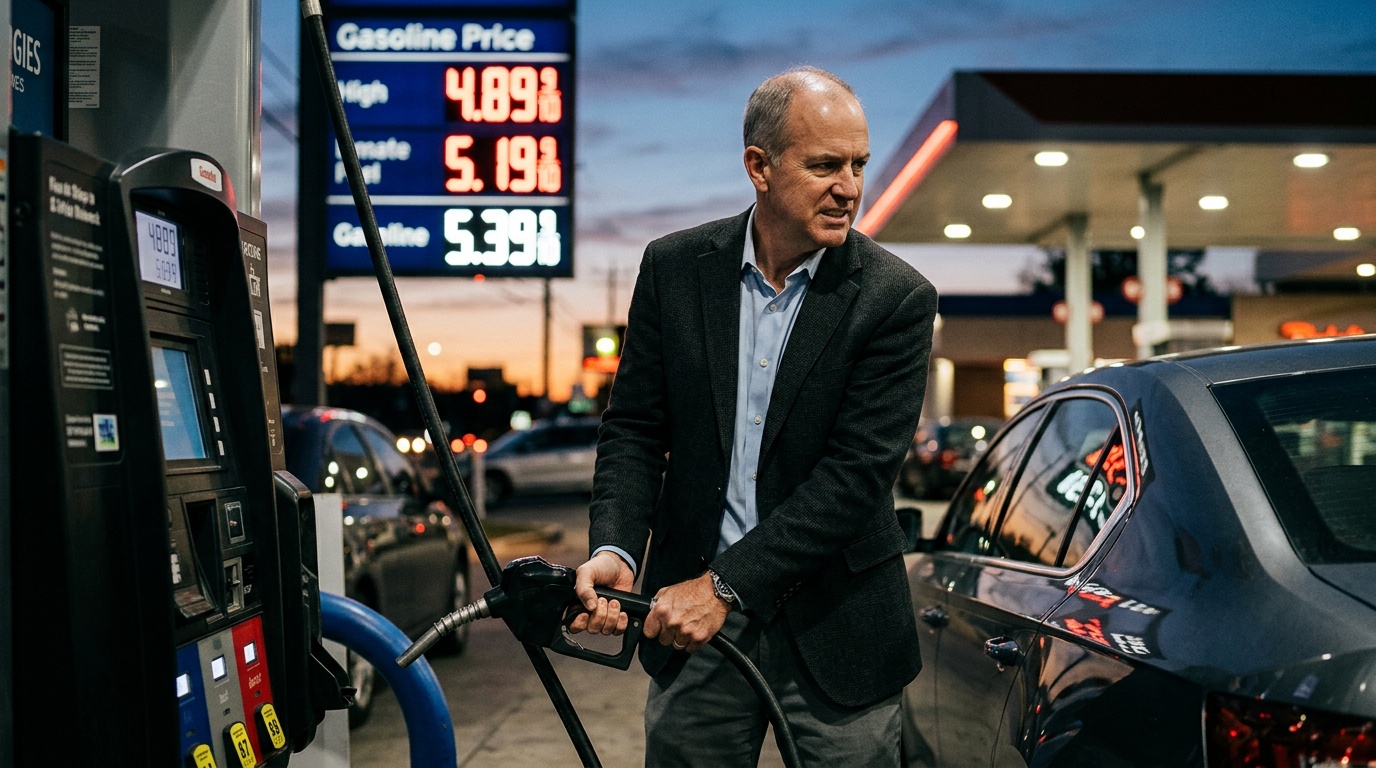
So, United Airlines Holdings, Inc. (UAL) shares are trying to get back on their feet Friday morning. They're up a tiny bit in premarket trading, which is basically the market's way of saying, "Okay, maybe we overreacted yesterday." Because on Thursday, the stock took a nearly 6% nosedive. The culprit? The same old story for airlines: oil prices. Crude hit a six-month high, and suddenly everyone remembered that jet fuel isn't free.

Fuel is one of the biggest, most unpredictable costs for any airline. Strong travel demand is great, but if the price of filling the tanks goes up too much, it can eat right through those profits. That's the simple, brutal math that spooked investors Thursday.

But by Friday, the panic seemed to be settling. Let's look past the daily noise and see what the charts and the analysts are actually saying about United.

The Technical Picture: Stronger Than It Looks

If you zoom out a bit, United's chart tells a more positive story. The stock is currently trading just a hair above its 20-day simple moving average. More importantly, it's sitting about 5.9% above its 100-day average. That suggests the longer-term trend is still up. Over the past year, shares are up over 7%, and they're hanging out closer to their 52-week highs than their lows.

Digging into the momentum indicators, the Relative Strength Index (RSI) is at 48.71, which is basically neutral—not overbought, not oversold. Meanwhile, the MACD, which is a trend-following momentum indicator, is at 0.8122, above its signal line of 0.5362. That's generally read as a bullish signal. So you have neutral short-term sentiment (RSI) paired with a bullish trend signal (MACD). Traders might see that as a setup for more upward movement, but it's a mixed bag.

For the chart watchers, key resistance to watch is around $119.00, while support sits down near $100.50.

What the Analysts Are Saying (And When to Hear from United)

Wall Street's research desks are still pretty keen on United. The stock carries a consensus Buy rating with an average price target of $135.71. That's a decent chunk above where it's trading now. And recently, some big names have been tweaking their targets upward.

On January 22, TD Cowen reiterated a Buy and raised its price target to $140. UBS also said Buy and bumped its target up to $147. Even Argus Research, which lowered its target to $135, maintained its Buy rating. The overall message from analysts seems to be: the long-term story is intact.

As for hearing directly from the company, United's next scheduled financial update is on April 14, 2026. The current estimates analysts are working with are for earnings per share of $1.33 (up from 91 cents) and revenue of $14.14 billion (up from $13.21 billion). The stock also trades at a P/E ratio of about 10.8x, which some value investors might find attractive in today's market.

Get Market Alerts

Weekly insights + SMS (optional)

The ETF Angle: Why Fund Flows Matter

Here's a piece of the puzzle that doesn't always get enough attention: United isn't just a stock you buy individually; it's a major component of several big exchange-traded funds (ETFs). And its weight in these funds is not trivial.

Why does this matter? Because of how ETFs work. If a bunch of money flows into the Themes Airlines ETF (AIRL), the fund manager has to go out and buy more of all the stocks in it, including United, to keep the fund's composition correct. The same goes for outflows—if people pull money out, the manager has to sell. This can create automatic, mechanical buying or selling pressure on United's stock that has nothing to do with the company's specific news. It's a factor worth keeping in the back of your mind.

As of the premarket session on Friday, United Airlines (UAL) shares were up 0.07% at $110.13.

United Airlines Stock Bounces Back After Fuel Fears, But What's the Real Story?

MarketDash
United Airlines shares are trying to recover after a sharp drop on oil price worries. Here's a look at the technicals, analyst views, and why ETF flows could matter more than you think.

Get Market Alerts

Weekly insights + SMS alerts

So, United Airlines Holdings, Inc. (UAL) shares are trying to get back on their feet Friday morning. They're up a tiny bit in premarket trading, which is basically the market's way of saying, "Okay, maybe we overreacted yesterday." Because on Thursday, the stock took a nearly 6% nosedive. The culprit? The same old story for airlines: oil prices. Crude hit a six-month high, and suddenly everyone remembered that jet fuel isn't free.

Fuel is one of the biggest, most unpredictable costs for any airline. Strong travel demand is great, but if the price of filling the tanks goes up too much, it can eat right through those profits. That's the simple, brutal math that spooked investors Thursday.

But by Friday, the panic seemed to be settling. Let's look past the daily noise and see what the charts and the analysts are actually saying about United.

The Technical Picture: Stronger Than It Looks

If you zoom out a bit, United's chart tells a more positive story. The stock is currently trading just a hair above its 20-day simple moving average. More importantly, it's sitting about 5.9% above its 100-day average. That suggests the longer-term trend is still up. Over the past year, shares are up over 7%, and they're hanging out closer to their 52-week highs than their lows.

Digging into the momentum indicators, the Relative Strength Index (RSI) is at 48.71, which is basically neutral—not overbought, not oversold. Meanwhile, the MACD, which is a trend-following momentum indicator, is at 0.8122, above its signal line of 0.5362. That's generally read as a bullish signal. So you have neutral short-term sentiment (RSI) paired with a bullish trend signal (MACD). Traders might see that as a setup for more upward movement, but it's a mixed bag.

For the chart watchers, key resistance to watch is around $119.00, while support sits down near $100.50.

What the Analysts Are Saying (And When to Hear from United)

Wall Street's research desks are still pretty keen on United. The stock carries a consensus Buy rating with an average price target of $135.71. That's a decent chunk above where it's trading now. And recently, some big names have been tweaking their targets upward.

On January 22, TD Cowen reiterated a Buy and raised its price target to $140. UBS also said Buy and bumped its target up to $147. Even Argus Research, which lowered its target to $135, maintained its Buy rating. The overall message from analysts seems to be: the long-term story is intact.

As for hearing directly from the company, United's next scheduled financial update is on April 14, 2026. The current estimates analysts are working with are for earnings per share of $1.33 (up from 91 cents) and revenue of $14.14 billion (up from $13.21 billion). The stock also trades at a P/E ratio of about 10.8x, which some value investors might find attractive in today's market.

Get Market Alerts

Weekly insights + SMS (optional)

The ETF Angle: Why Fund Flows Matter

Here's a piece of the puzzle that doesn't always get enough attention: United isn't just a stock you buy individually; it's a major component of several big exchange-traded funds (ETFs). And its weight in these funds is not trivial.

Why does this matter? Because of how ETFs work. If a bunch of money flows into the Themes Airlines ETF (AIRL), the fund manager has to go out and buy more of all the stocks in it, including United, to keep the fund's composition correct. The same goes for outflows—if people pull money out, the manager has to sell. This can create automatic, mechanical buying or selling pressure on United's stock that has nothing to do with the company's specific news. It's a factor worth keeping in the back of your mind.

As of the premarket session on Friday, United Airlines (UAL) shares were up 0.07% at $110.13.