






JFB Construction Holdings (JFB) shares climbed Thursday after the company announced it's making a hard pivot from construction into something considerably more futuristic: AI-powered defense robotics. This follows a February 17 announcement that sent the stock on a rollercoaster ride earlier in the week.
JFB Construction Surges on $1.5 Billion Defense Robotics Merger Deal
MarketDash
JFB Construction Holdings is pivoting from construction to AI-powered defense robotics through a $1.5 billion merger with XTEND, creating a new Nasdaq-listed leader in autonomous military systems.
Get JFB Construction Alerts
Weekly insights + SMS alerts
From Construction to Combat Robots
On Tuesday, JFB and XTEND unveiled a definitive $1.5 billion business combination agreement that will create a new Nasdaq-listed entity focused on autonomous defense and security systems. The merged company will trade under the ticker XTND, which seems fitting given that XTEND is bringing the actual technology to this marriage.
XTEND's crown jewel is its proprietary XOS operating system, which essentially gives drones and robotic systems the ability to handle complex missions across air, ground, and maritime environments. Think of it as the operating system that lets military robots do their thing while keeping human operators at a safe distance.
The merger isn't just about cool technology, though. It provides access to U.S.-based production facilities in Tampa, Florida, which matters quite a bit in the current defense landscape. This supports expansion of domestic, NDAA-compliant manufacturing as demand increases from the U.S. and allied nations who are increasingly wary of foreign-manufactured defense tech.
Who's Backing This Deal?
The transaction includes $152 million in committed capital and has attracted some notable strategic investors. Eric Trump is backing the deal, alongside Unusual Machines, Inc. (UMAC) and several private investment firms. XTEND shareholders are expected to own roughly 70% of the combined company once the transaction closes later this year, which tells you who's really driving this bus.
Structured as an all-stock transaction, the merger combines XTEND's AI-driven technology with JFB's established U.S. operations. The new entity aims to bolster the United States' and its allies' defense and security capabilities in what's become an increasingly competitive defense technology sector.
The Numbers Behind the Surge
JFB Construction has posted eye-popping returns over the past year, surging 524.86%. The stock was trading at $21.75 earlier Thursday, sitting 7.6% above its 50-day simple moving average and significantly above its 200-day SMA, signaling a strong long-term upward trajectory.
But not everything looks rosy from a technical perspective. The RSI stands at 45.17, suggesting neutral market momentum rather than overbought or oversold conditions. Meanwhile, the MACD shows a bearish crossover, with the MACD line at 1.2142 sitting below the signal line at 2.4354. That could hint at some volatility ahead or a potential pullback, so investors might want to keep a close eye on price action in the near term.
The strategic merger with XTEND positions JFB to dramatically expand its technological capabilities into the defense sector, potentially opening entirely new revenue streams and markets beyond anything a construction company would typically touch.
JFB Price Action: JFB Construction shares were down 3.01% at $20.27 at the time of publication Thursday, according to market data.
More News

Oil Breaks $100 on Iran Strike Fears as Energy ETF XLE Hits an All-Time Record

Trump Loosens 50% Canada Tariffs Days Before Midterms as Susan Collins Fights for Her Seat

Tech-to-Defensive Rotation, GM Stock Logs Worst Week Since 2023: This Week on Wall Street

First Russian Diesel Tanker Heads to New York Under Trump-Putin Deal as Fuel Prices Stay High
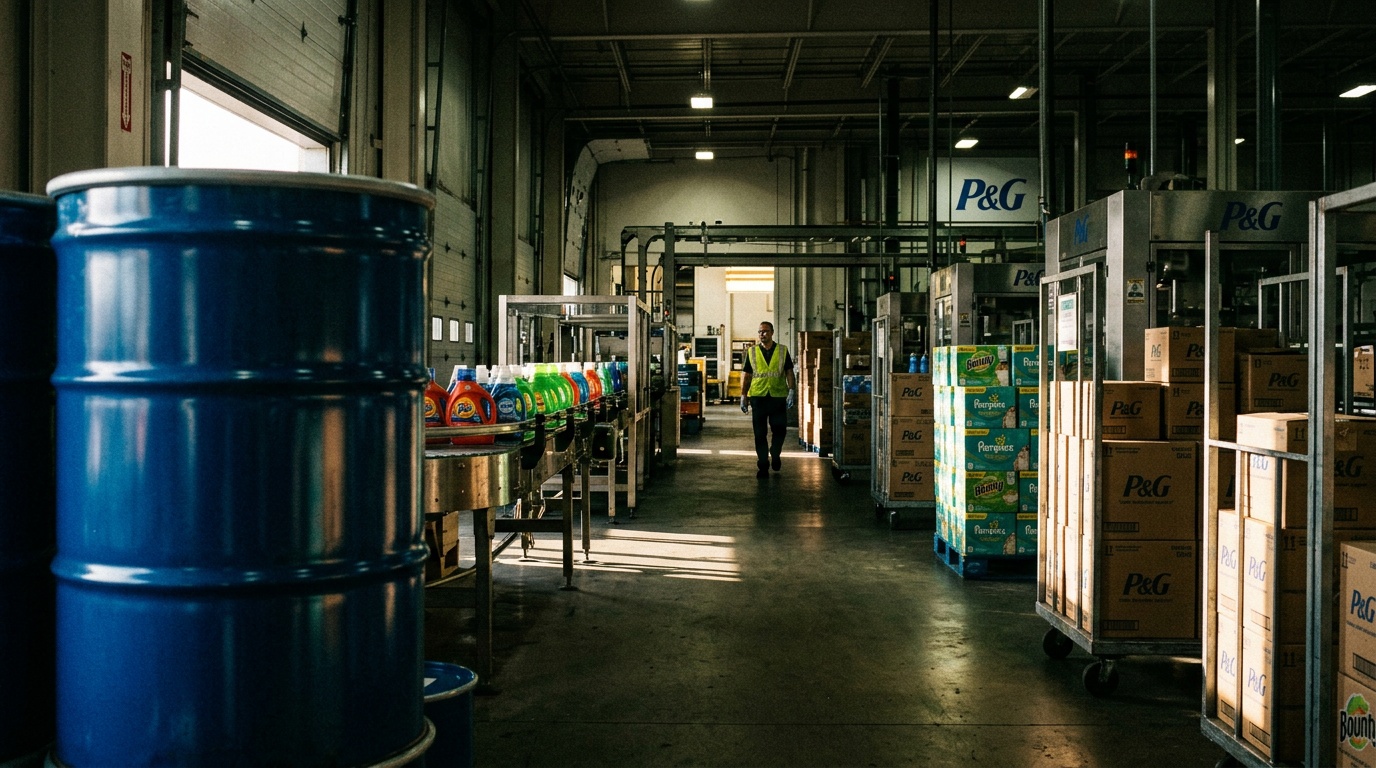
P&G's Turnaround Is Working, but $113 Oil Could Ruin the Party

TSMC Stock Climbs As Moody's Hands Out An Upgrade And The Chipmaker Quietly Rethinks Rare Earths

The AI Boom Isn't 1999, and Big Tech's Cash Returns Could Soften a Crash, This CEO Says

Gas Prices Aren't Coming Down Before the Midterms, Expert Warns: 'It's STILL Not Over'
Get JFB Construction Alerts
Real-time alerts on price moves, news, and trading opportunities.
Join 20,000+ investors. No spam, ever.
Featured Articles
View all newsOil Breaks $100 on Iran Strike Fears as Energy ETF XLE Hits an All-Time Record
By MarketDash
October 23, 2026
Trump Loosens 50% Canada Tariffs Days Before Midterms as Susan Collins Fights for Her Seat
By MarketDash
October 24, 2026
Tech-to-Defensive Rotation, GM Stock Logs Worst Week Since 2023: This Week on Wall Street
By MarketDash
October 23, 2026
First Russian Diesel Tanker Heads to New York Under Trump-Putin Deal as Fuel Prices Stay High
By MarketDash
October 24, 2026
P&G's Turnaround Is Working, but $113 Oil Could Ruin the Party
By MarketDash
October 23, 2026
TSMC Stock Climbs As Moody's Hands Out An Upgrade And The Chipmaker Quietly Rethinks Rare Earths
By MarketDash
October 23, 2026
The AI Boom Isn't 1999, and Big Tech's Cash Returns Could Soften a Crash, This CEO Says
By MarketDash
October 23, 2026
Gas Prices Aren't Coming Down Before the Midterms, Expert Warns: 'It's STILL Not Over'
By MarketDash
October 23, 2026