






Personal finance guru Dave Ramsey built his reputation on rigid discipline. His Baby Steps framework doesn't leave much wiggle room, or so most people think. Follow the steps in order, attack your debt with gazelle intensity, and don't deviate. But here's the thing: even Ramsey has an escape hatch built into the system, and a lot of followers have no idea it exists.
Dave Ramsey's Hidden 'Storm Mode' Rule: When the Baby Steps Get Put On Hold
MarketDash
Dave Ramsey's Baby Steps seem rigid, but there's a little-known exception called 'storm mode' that pauses debt payoff when life throws a curveball. Here's when the rules actually bend.
Get Market Alerts
Weekly insights + SMS alerts
When the Rules Actually Bend
It's called "storm mode," and while it doesn't appear on the classic Baby Steps poster, it's absolutely part of the Ramsey playbook. Think of it as the financial equivalent of battening down the hatches when you see a hurricane forming offshore.
"The only time you should take a break from paying off your debt is when you've got some serious stuff going on, like you just lost your job or there's a baby on the way," Ramsey Solutions explained in a recession guide. "That's what we call 'storm mode'—where you're heading into some uncharted waters and need to hang on to as much cash as you can."
Storm mode is essentially a temporary detour from Baby Step Two, the phase where you're supposed to be maniacally focused on eliminating debt using the debt snowball method. Instead of throwing every spare dollar at your smallest debt balance, you stop. You pivot. You start hoarding cash like a squirrel preparing for winter because you can see trouble coming.
This isn't some fringe interpretation either. One member of the r/DaveRamsey community on Reddit recently put it plainly: "Ramsey has a specific carve-out for this. You stop paying on debt and stack cash to pay for the expense or crisis. He calls it storm mode because you see the storm on the horizon and prepare."
Real-World Storm Mode In Action
Storm mode isn't a theoretical concept or a way to justify slacking off. It's a strategic pause designed to prevent financial catastrophe when layoffs, medical emergencies, or other major disruptions loom large. The wisdom here is straightforward: if you drain your accounts paying off debt right before losing your income, you've just made a bad situation worse.
One Reddit user shared their experience navigating this exact scenario. After making solid progress through the Baby Steps, they saw layoffs approaching at their company. They and their spouse immediately shifted gears, stopped extra debt payments, and stacked up $8,000 in cash. "I then lose my job as a Software Engineer," they wrote. That emergency fund became their lifeline. Months later, still job hunting, they had $7,200 remaining thanks to that strategic pause.
Other longtime Ramsey followers confirmed he's referenced this concept for years, though the terminology has evolved. "He used to call it 'stack/pile up cash.' I like storm mode," one commenter noted.
Flexibility Goes Beyond Emergencies
Storm mode isn't the only area where Ramsey's supposedly inflexible system bends. Compromise also plays a role, particularly when couples are trying to get on the same financial page.
"Dave teaches that you need to get husband and wife on the same side or team… but he's often in favor of small compromises," one Redditor explained. In their situation, the wife wasn't comfortable with the standard $1,000 starter emergency fund from Baby Step One. So they compromised and built a $3,000 fund instead. That small adjustment gave both partners peace of mind and kept them moving forward together rather than fighting over the details.
This matters because financial plans fail when one partner feels ignored or bulldozed. A slight modification that keeps both people engaged beats a theoretically perfect plan that causes resentment and eventual abandonment.
The Roadmap Isn't The Territory
While Ramsey built his empire on no-nonsense, follow-the-system-exactly advice, even he recognizes that life doesn't always cooperate with neat seven-step frameworks. Storm mode exists because sometimes the disciplined choice is to stop being disciplined about debt payoff and start being disciplined about survival.
The Baby Steps remain a solid roadmap for most people most of the time. But storm mode is the reminder that maps don't account for every pothole, detour, or bridge closure you'll encounter. When dark clouds gather and you can see the storm coming, it's okay to pull over and wait it out. Just don't set up permanent camp on the shoulder of the road.
The goal is still to get out of debt and build wealth. Storm mode just acknowledges that sometimes the best way forward is to pause, protect what you have, and live to fight another day.
More News

Trump Warns Iran of Economic Collapse or Worse, Tehran Threatens US Bases as Brent Sits at $102
Trump Unveils 'AI Force' and Plans New 'AI Czar' as Tech Leaders Urge Caution
Hakeem Jeffries Torches Trump and Republicans Over Rising Gas, Grocery, Housing and Health Costs: 'America Is Way Too Expensive'

US-Greenland Deal Opens a Rare Earth Frontier, But the Arctic Doesn't Do Easy
Elizabeth Warren Tells Congress to Stop Talking About AI and Actually Regulate It
Elissa Slotkin Calls for 'Legal, Vetted Immigrants' to Help US Economy: 'We're Getting Older'
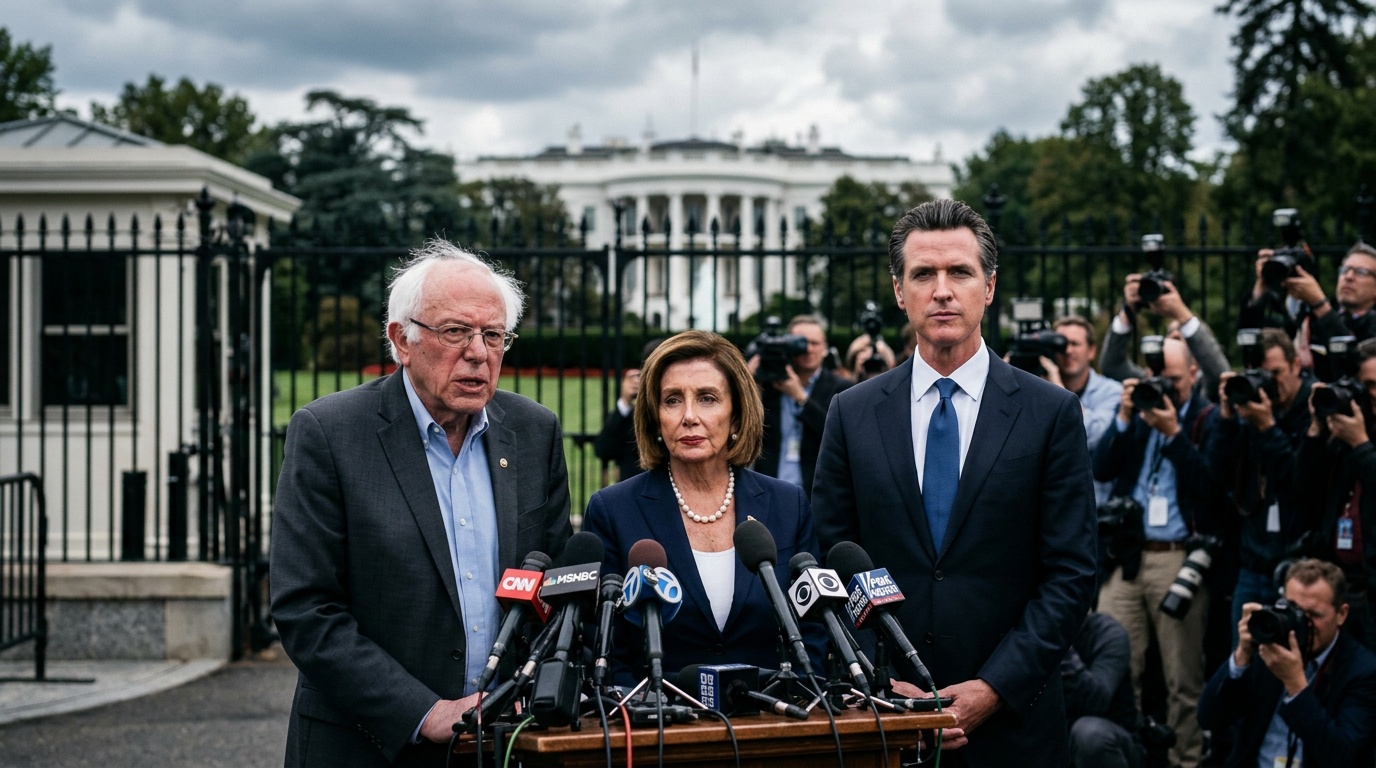
Sanders, Pelosi and Newsom Blast Trump's White House Press Ban: 'We Will Not Accept Authoritarianism'

Macron Meets Carney Amid Trump Map Row, Sanders Slams Trump's Ban On Reporters and More: This Week in Politics
Get Market News Alerts
Real-time alerts on price moves, news, and trading opportunities.
Join 20,000+ investors. No spam, ever.
Featured Articles
View all newsTrump Warns Iran of Economic Collapse or Worse, Tehran Threatens US Bases as Brent Sits at $102
By MarketDash
September 21, 2026

He Found Rolls-Royce Below $2. Now He’s Found His Second Unicorn. (Ad)
By The Oxford Club
Trump Unveils 'AI Force' and Plans New 'AI Czar' as Tech Leaders Urge Caution
By MarketDash
September 20, 2026
Hakeem Jeffries Torches Trump and Republicans Over Rising Gas, Grocery, Housing and Health Costs: 'America Is Way Too Expensive'
By MarketDash
September 20, 2026
US-Greenland Deal Opens a Rare Earth Frontier, But the Arctic Doesn't Do Easy
By MarketDash
September 20, 2026
Elizabeth Warren Tells Congress to Stop Talking About AI and Actually Regulate It
By MarketDash
September 20, 2026
Elissa Slotkin Calls for 'Legal, Vetted Immigrants' to Help US Economy: 'We're Getting Older'
By MarketDash
September 20, 2026
Sanders, Pelosi and Newsom Blast Trump's White House Press Ban: 'We Will Not Accept Authoritarianism'
By MarketDash
September 20, 2026