






US Hits Pause on China Cyber Sanctions to Keep Trade Deal Alive
Get Cisco Systems Alerts
Weekly insights + SMS alerts
Trading Sanctions for Stability
The United States has decided to pump the brakes on sanctions tied to one of China's most aggressive cyberespionage operations. According to a Financial Times report Thursday, the Trump administration is shelving plans to penalize China's Ministry of State Security over the Salt Typhoon hacking campaign—and it won't be rolling out major new export controls either.
Why the sudden restraint? Sources say the White House has shifted its China strategy toward maintaining "stability" while America works to break its dependency on Chinese rare earths. That dependency has been a significant handcuff on Washington's ability to take more aggressive action. There's also Trump's planned visit to Beijing in April, which the administration apparently doesn't want to jeopardize.
The Salt Typhoon Operation
This isn't a minor hacking incident we're talking about. Salt Typhoon represents a years-long infiltration campaign that targeted multiple US and international telecom companies, plus the network of a US state's Army National Guard. The hackers exploited vulnerabilities in routers made by Cisco Networks (CSCO), turning network infrastructure into espionage tools.
Back in March, the Justice Department indicted 12 Chinese nationals for their alleged roles in a global hacking operation. Investigators believe both China's Ministry of Public Security and Ministry of State Security have been deploying hackers to steal confidential information and track down critics around the world.
Trade Truce Takes Priority
The decision to hold back on sanctions comes as both countries are nursing a fragile trade agreement. In October, the two leaders reached a framework deal in South Korea aimed at easing longstanding trade tensions. China rolled back 24% additional tariffs on US goods for a year, while Trump signed an executive order formally cutting a fentanyl-related tariff on Chinese imports from 20% down to 10%—a key piece of the deal struck with Chinese President Xi Jinping.
So here's the calculation: Washington wants to punish Beijing for systematic cyber intrusions, but it needs Chinese rare earths and wants to preserve a trade deal that took months to negotiate. The result? Sanctions get shelved, at least for now, while the US figures out how to reduce its dependency on materials that China largely controls. It's a reminder that geopolitics often involves choosing between bad options and slightly less bad options.
More News
Trump Warns Iran of Economic Collapse or Worse, Tehran Threatens US Bases as Brent Sits at $102
Trump Unveils 'AI Force' and Plans New 'AI Czar' as Tech Leaders Urge Caution
Hakeem Jeffries Torches Trump and Republicans Over Rising Gas, Grocery, Housing and Health Costs: 'America Is Way Too Expensive'
US-Greenland Deal Opens a Rare Earth Frontier, But the Arctic Doesn't Do Easy
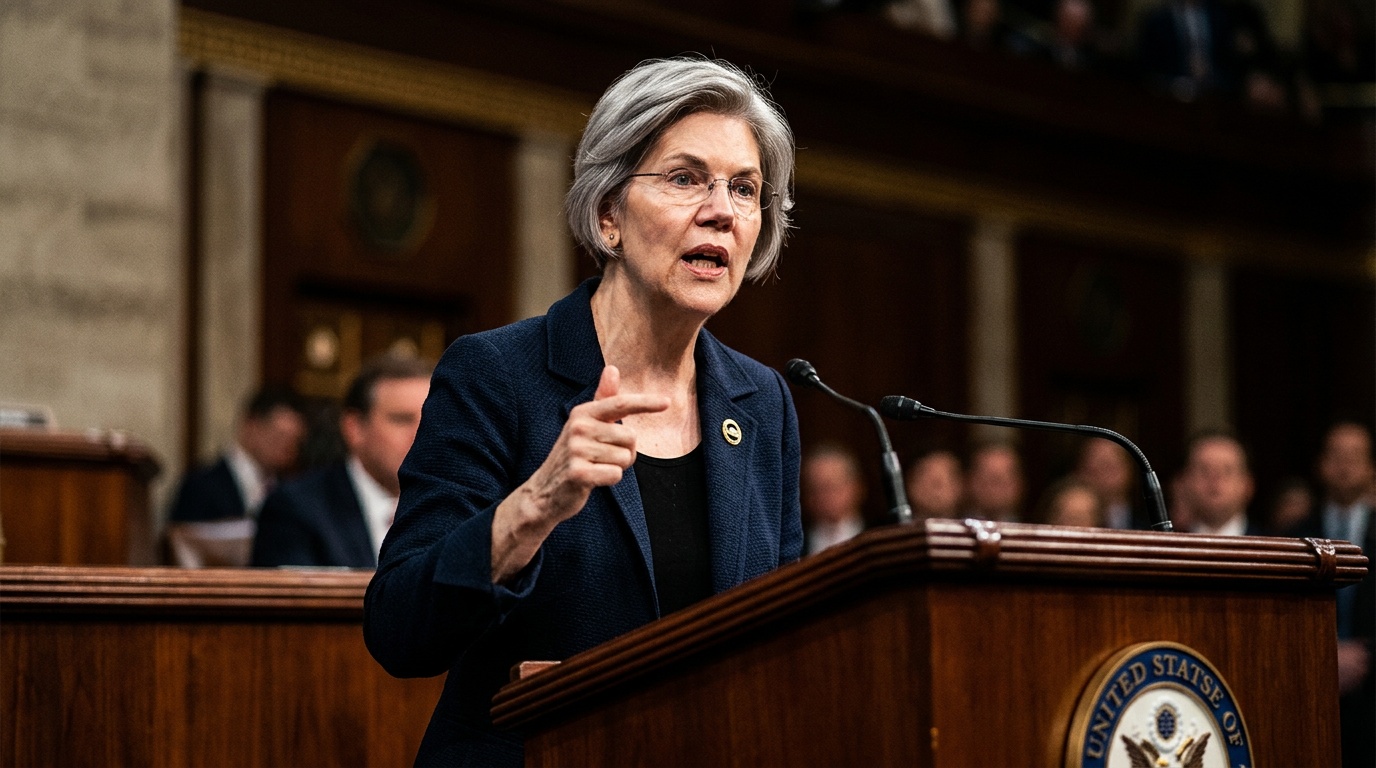
Elizabeth Warren Tells Congress to Stop Talking About AI and Actually Regulate It
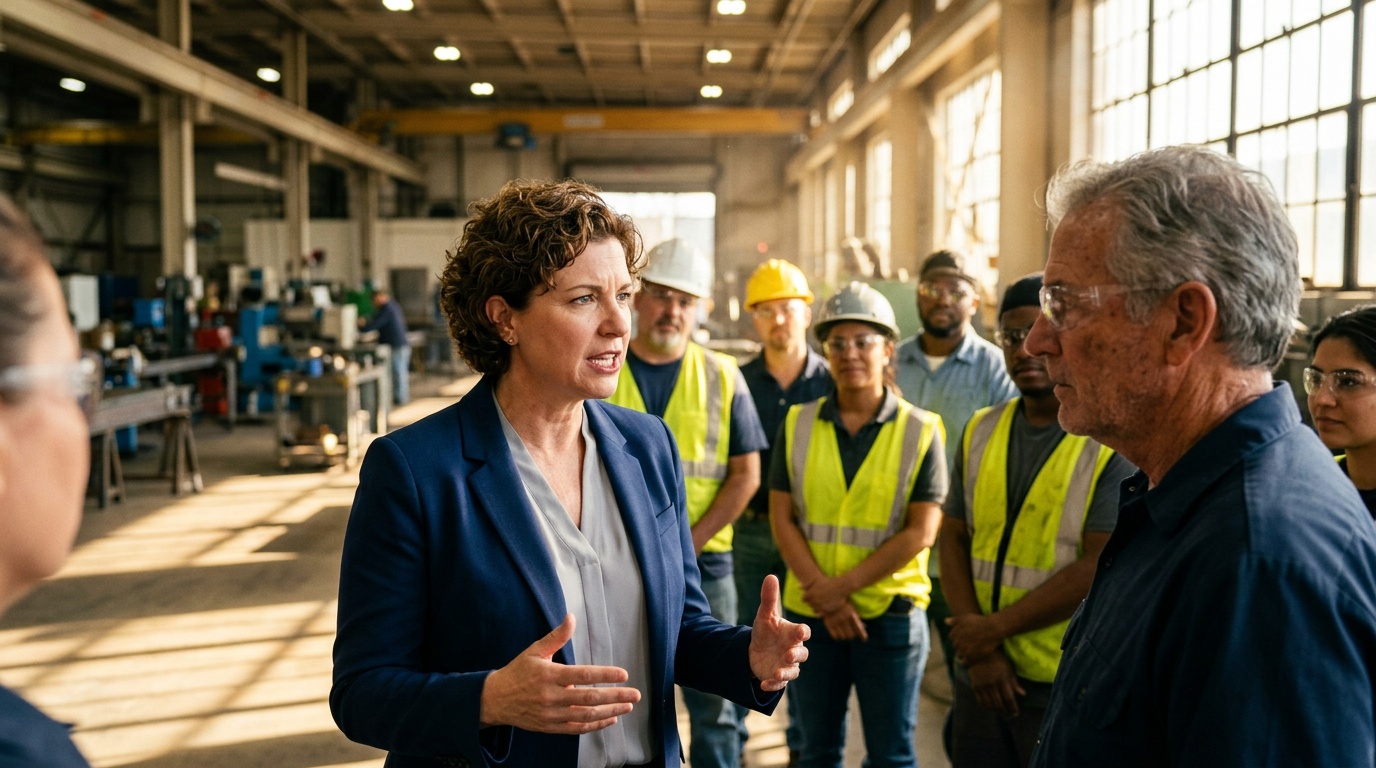
Elissa Slotkin Calls for 'Legal, Vetted Immigrants' to Help US Economy: 'We're Getting Older'
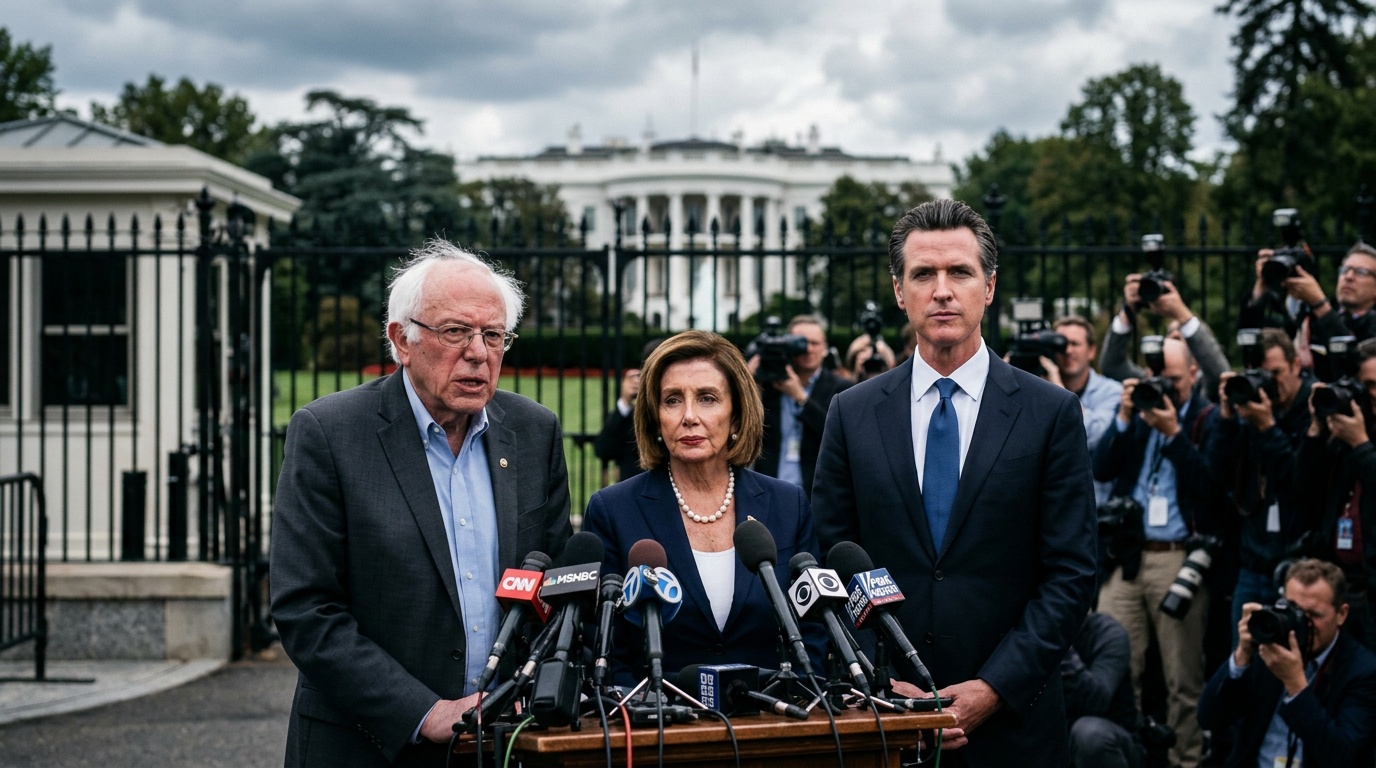
Sanders, Pelosi and Newsom Blast Trump's White House Press Ban: 'We Will Not Accept Authoritarianism'

Macron Meets Carney Amid Trump Map Row, Sanders Slams Trump's Ban On Reporters and More: This Week in Politics
Get Cisco Systems Alerts
Real-time alerts on price moves, news, and trading opportunities.
Join 20,000+ investors. No spam, ever.
Featured Articles
View all newsTrump Warns Iran of Economic Collapse or Worse, Tehran Threatens US Bases as Brent Sits at $102
He Found Rolls-Royce Below $2. Now He’s Found His Second Unicorn. (Ad)
Trump Unveils 'AI Force' and Plans New 'AI Czar' as Tech Leaders Urge Caution
Hakeem Jeffries Torches Trump and Republicans Over Rising Gas, Grocery, Housing and Health Costs: 'America Is Way Too Expensive'
US-Greenland Deal Opens a Rare Earth Frontier, But the Arctic Doesn't Do Easy
Elizabeth Warren Tells Congress to Stop Talking About AI and Actually Regulate It
Elissa Slotkin Calls for 'Legal, Vetted Immigrants' to Help US Economy: 'We're Getting Older'