






Tesla Inc. (TSLA) is moving away from Chinese suppliers for its American-made cars, and the company wants it done fast. According to a Wall Street Journal report, the Elon Musk-led electric vehicle maker told suppliers earlier this year to stop using China-based parts in US production. It's a dramatic supply chain pivot shaped by rising geopolitical tensions between Washington and Beijing.
Tesla Pushes Suppliers to Drop Chinese Components for US-Made Vehicles
MarketDash
Tesla is telling suppliers to eliminate China-made parts from its US car production as geopolitical tensions and tariffs reshape the automaker's supply chain strategy. The transition aims for completion within two years.
Get Apple Alerts
Weekly insights + SMS alerts
The Parts Swap Has Already Started
Tesla and its suppliers have already begun replacing Chinese-made components with parts sourced from other countries. The goal is ambitious: switch everything still coming from China to alternative sources within the next year or two. It's the kind of timeline that makes supply chain managers nervous, but Tesla is pushing hard.
Tariffs and Supply Shocks Accelerate the Timeline
This isn't just about long-term strategy. The shift has been accelerated by tariffs that President Trump imposed on Chinese imports, which make Chinese parts more expensive and politically complicated. But there's more driving the urgency than just tariffs.
Recent disruptions in automotive chip supplies, stemming from a dispute between China and the Netherlands, have shown Tesla just how vulnerable its supply chain can be. When geopolitics can suddenly choke off critical components, diversification stops being optional.
China's Dominance Makes This Tricky
Here's the problem: China is a massive producer and exporter of auto parts, including the chips and batteries that electric vehicles desperately need. Finding alternative suppliers isn't always straightforward, especially for lithium-iron phosphate batteries, where China dominates production.
Tesla is actively working to secure additional non-China-based suppliers, but the challenges are real. You can't just flip a switch and redirect a global supply chain, particularly when China controls so much of the rare-earth mining and processing that underpins modern tech manufacturing.
China's recent moves to tighten its grip on rare earth exports only make things more complicated. These materials are crucial not just for Tesla but for tech giants like Apple Inc. (AAPL) and the broader electronics industry. When one country controls that much of a critical resource, everyone feels it.
Declining China Sales Add Another Layer
The timing is particularly interesting given Tesla's sales performance in China. In October, Tesla's China sales fell sharply with a 36% year-over-year drop. Whether Tesla is pulling back from China or China is pulling back from Tesla, the relationship is clearly getting more complicated.
The decision to move away from Chinese components for US vehicles reflects a broader reality: the era of seamlessly integrated US-China supply chains is facing serious headwinds. For Tesla, navigating these tensions while maintaining production efficiency will be a major test in the years ahead.
More News
Trump Threatens To 'Annihilate' Iran If No Peace Deal Lands; Brent Crude Creeps Toward $100

Nasdaq 100 Notches First Record Since June as AI Trade Roars, Banks Get Crushed
Elizabeth Warren Tallies Trump's Oil And Gas Gains During Iran War As Americans Pay More At The Pump: Ban President From 'Owning And Trading Stock'

Meta's Muse Beats ChatGPT's Early Download Pace: Is Zuckerberg's AI Bet Finally Paying Off?
Michael Burry Bets Against the Memory Boom: These ETFs Could Be Exposed if He's Right
Nasdaq 100 Eyes Best 4-Year Run Since 1999 as Memory Stocks Do the Heavy Lifting

SoFi and Mastercard Flip the Switch on Stablecoin Settlement for a $25 Billion Card Program
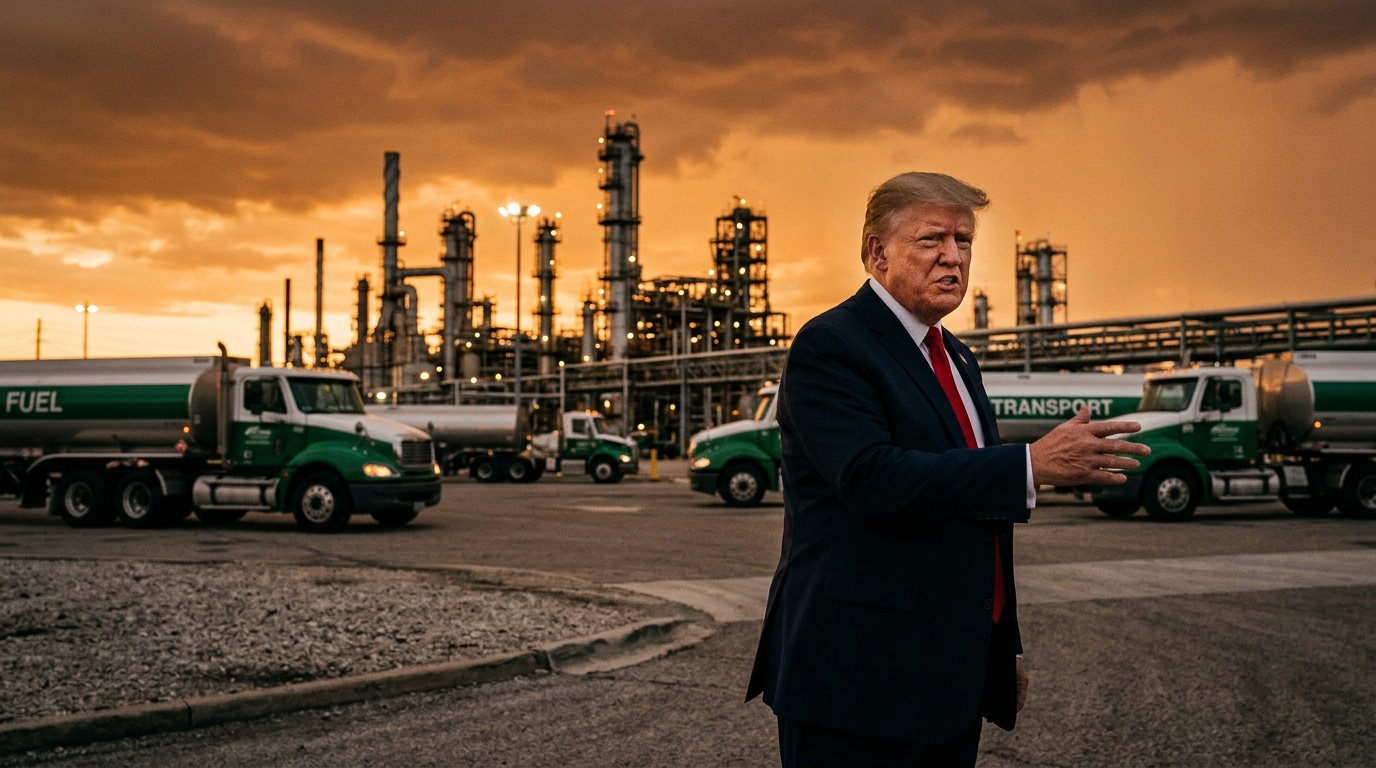
Trump Backs Diesel Export Ban, But Analyst Warns Relief May Stay Stuck in the Gulf: 'Really Nervous'
Get Apple Alerts
Real-time alerts on price moves, news, and trading opportunities.
Join 20,000+ investors. No spam, ever.
Featured Articles
View all newsTrump Threatens To 'Annihilate' Iran If No Peace Deal Lands; Brent Crude Creeps Toward $100
By MarketDash
September 23, 2026
Nasdaq 100 Notches First Record Since June as AI Trade Roars, Banks Get Crushed
By MarketDash
September 22, 2026
Elizabeth Warren Tallies Trump's Oil And Gas Gains During Iran War As Americans Pay More At The Pump: Ban President From 'Owning And Trading Stock'
By MarketDash
September 23, 2026
Meta's Muse Beats ChatGPT's Early Download Pace: Is Zuckerberg's AI Bet Finally Paying Off?
By MarketDash
September 22, 2026
Michael Burry Bets Against the Memory Boom: These ETFs Could Be Exposed if He's Right
By MarketDash
September 22, 2026
Nasdaq 100 Eyes Best 4-Year Run Since 1999 as Memory Stocks Do the Heavy Lifting
By MarketDash
September 22, 2026
SoFi and Mastercard Flip the Switch on Stablecoin Settlement for a $25 Billion Card Program
By MarketDash
September 22, 2026
Trump Backs Diesel Export Ban, But Analyst Warns Relief May Stay Stuck in the Gulf: 'Really Nervous'
By MarketDash
September 23, 2026