






Why a Dividend That Doubles in About 9 Years Beats a Bigger One That Never Grows
MarketDash Editorial Team
Author
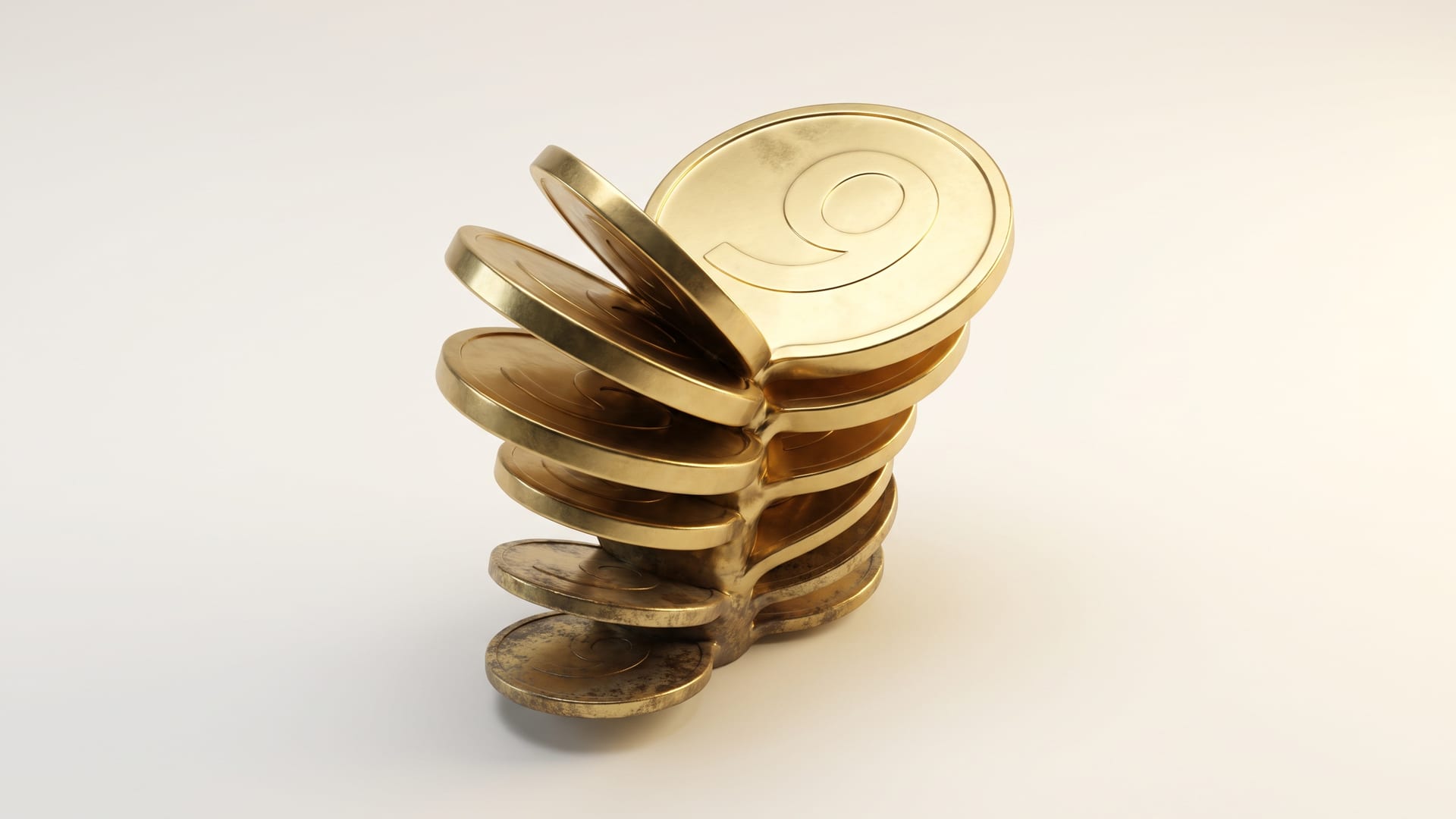
The biggest number on the screen is usually the weakest
Dividend yield is a year of dividends per share divided by the share price. Look at that definition again, because one half of it moves without the company doing a single thing. The price. When a stock falls, its yield climbs, and a plain payer suddenly looks generous. The business did not become more generous. It became cheaper, which is a different compliment.
This is why the fattest yield in your screener deserves suspicion rather than applause. A high yield is a price tag that says the market expects trouble. Sometimes the market is wrong. Often it is just early.
Meanwhile, a modest yield on a company that raises its dividend every year looks boring in a list sorted by size. It is not boring. It is the only one of the two that is actually building you something.
The frozen 6% is a promise with an asterisk
Dividends are paid in cash, and cash comes from profit. The payout ratio is the share of profit a company hands to shareholders. When that share is small, a bad year is annoying. When it is nearly all of the profit, a bad year is a board meeting with a knife on the table.
Nobody sends you a letter saying the dividend is about to be cut. The warning shows up earlier, in the numbers: profit slipping while the payout stays flat, or a company borrowing to keep the check coming. A dividend that gets cut does not just cost you income. It usually costs you the share price too, because everyone who bought for the yield sells at the same time. You get the drop and the silence.
The 6% that never grows is not a promise. It is a habit that has not been tested yet.
Growth is the part that compounds
Here is the whole argument in one idea. Say a company pays a small dividend and raises that dividend 8% a year. Use the rule of 72, the shortcut where you divide 72 by a yearly return to estimate doubling time. At 8% a year, the payout doubles in about nine years. Then it doubles again. A bigger check that never moves pays the same amount the entire time, and inflation quietly shrinks it.
The same arithmetic explains why small differences in return matter more than they look. Take $10,000 growing at 8% a year for ten years, before taxes and fees and not adjusted for inflation: about $22,000, of which about $12,000 is growth on top of the money you put in. The same $10,000 at 6%: about $18,000, with $8,194 of growth. Nobody feels two percentage points in a single year. Everybody feels them after ten.
If you plan to live on the income, growth matters even more. The 4% rule, from research in the 1990s, found that taking 4% of a stock-and-bond portfolio in the first year of retirement and raising that amount with inflation lasted at least 30 years in most historical periods. The "raising with inflation" part is the whole trick. A dividend that never grows is a paycheck that never gets a raise while everything you buy does.
Check the payout before you check the headline
Three questions, in this order.
First, what share of profit is being paid out? Read the payout ratio. If almost all the profit leaves the building as dividends, there is no cushion for a slow quarter.
Second, has this dividend actually grown, over many years, or did it just get big once? A long streak of raises is evidence of a business that earns more over time. One big number is evidence of a share price that fell.
Third, is the growth real or borrowed? A company can raise its dividend for a while by paying out more of its profit, and then it runs out of room. Look at whether profit is growing alongside the check.
None of this requires a spreadsheet. It requires you to stop reading the biggest number first.
Check it yourself in MarketDash
Open a stock's page and find the Intrinsic Value section. It shows an estimate built from a discounted cash flow plus a comparison with similar companies. That matters here because a high yield usually means a falling price, and the intrinsic value estimate tells you whether the fall was deserved. If the price is well below the estimate, the market may be too gloomy. If the price sits above it, the dividend is the only thing holding the story up.
Then look at the Wall Street section for each analyst's rating, price target, upside, and date. You are not looking for a verdict. You are looking for whether the people who study the business expect profit to grow, because a dividend can only grow as fast as the business behind it.
Finally, use the Screener. Start from the "MarketDash Undervalued" preset, then compare the Intrinsic Value % and PE Ratio columns. A stock that looks cheap on both, with a dividend it can clearly afford, is a different animal from a stock that looks cheap only because its yield is screaming.
Check the growth streak. Check the payout. The headline yield can wait.
Get Market News Alerts
Real-time alerts on price moves, news, and trading opportunities.
Join 20,000+ investors. No spam, ever.
Featured Articles
View all news
Jensen Huang Once Bragged He Never Got Fired. This Week He Resigned From Nvidia.

Washington Slams China's AI Chip Back Door Shut, and Tech Stocks Lose $960 Billion

Bitcoin, Ethereum, XRP Brace for Fed-Packed Week After $1.49B ETF Exodus

Wall Street Dumped Chips for Coca-Cola at the Fastest Clip Since 2001

Home Depot Earnings Could Swing $15.5 Billion: The Options Market's Volatility Countdown

Nvidia's China Headache Is Now AMD's Problem Too

Bernie Sanders to Big Tech: Your $3 Trillion AI Debt Is a 'High-Stakes Gamble' — and Taxpayers Won't Be Your Safety Net